
Last updated November 16, 2026
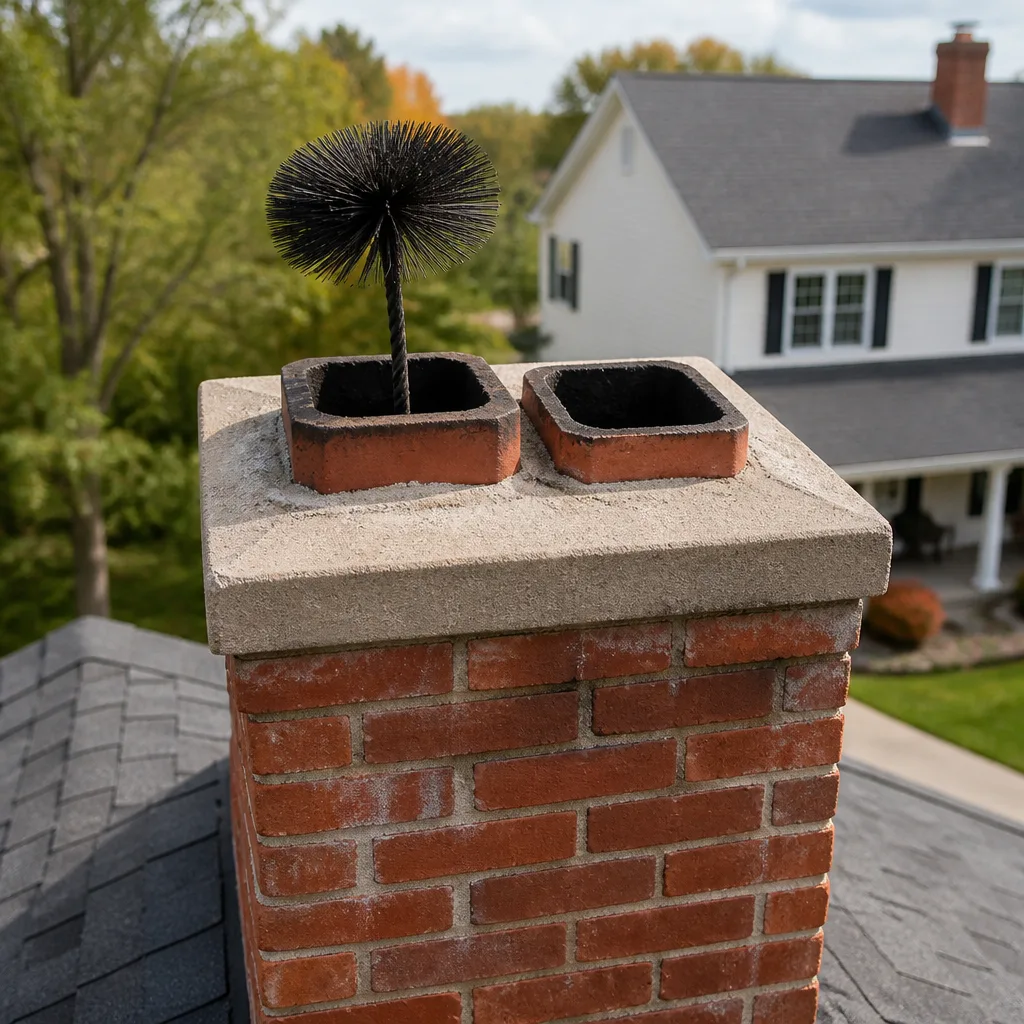 Sweep & inspection
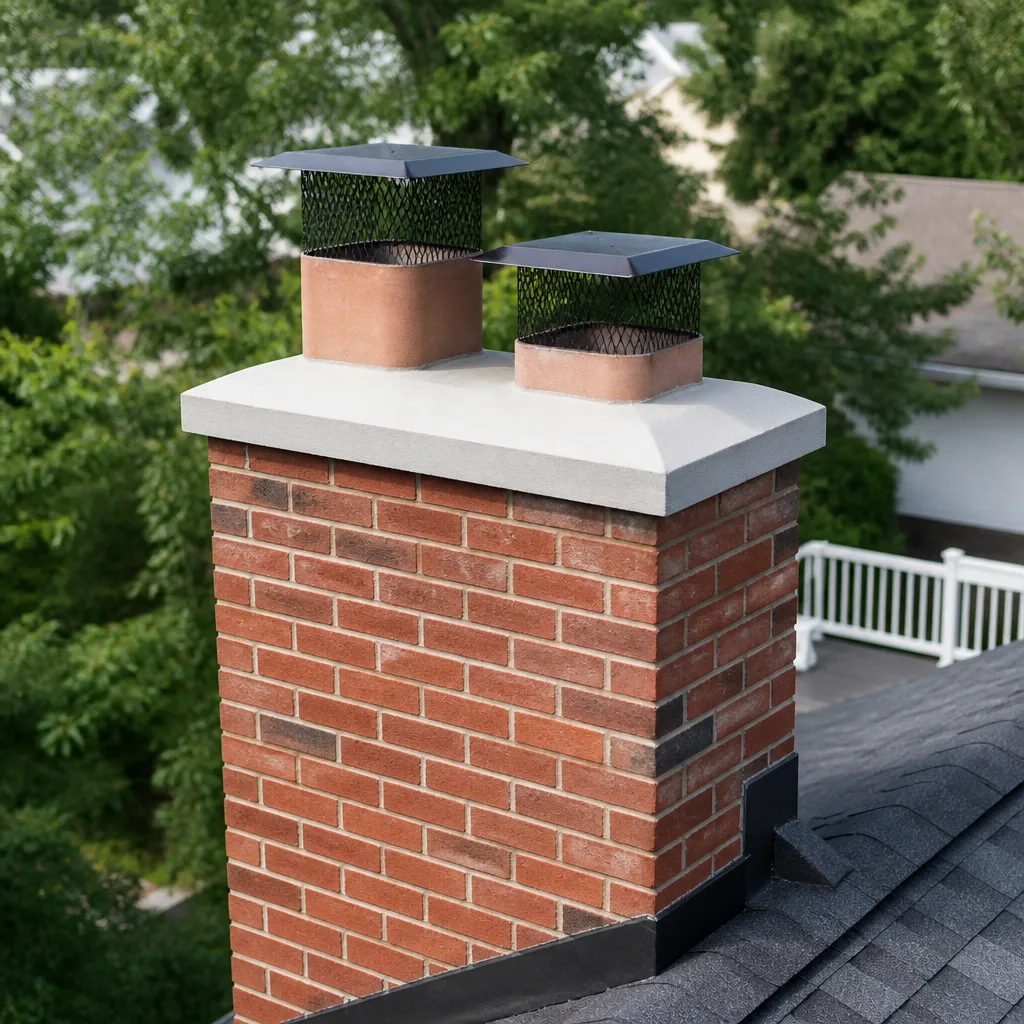 Caps & crowns
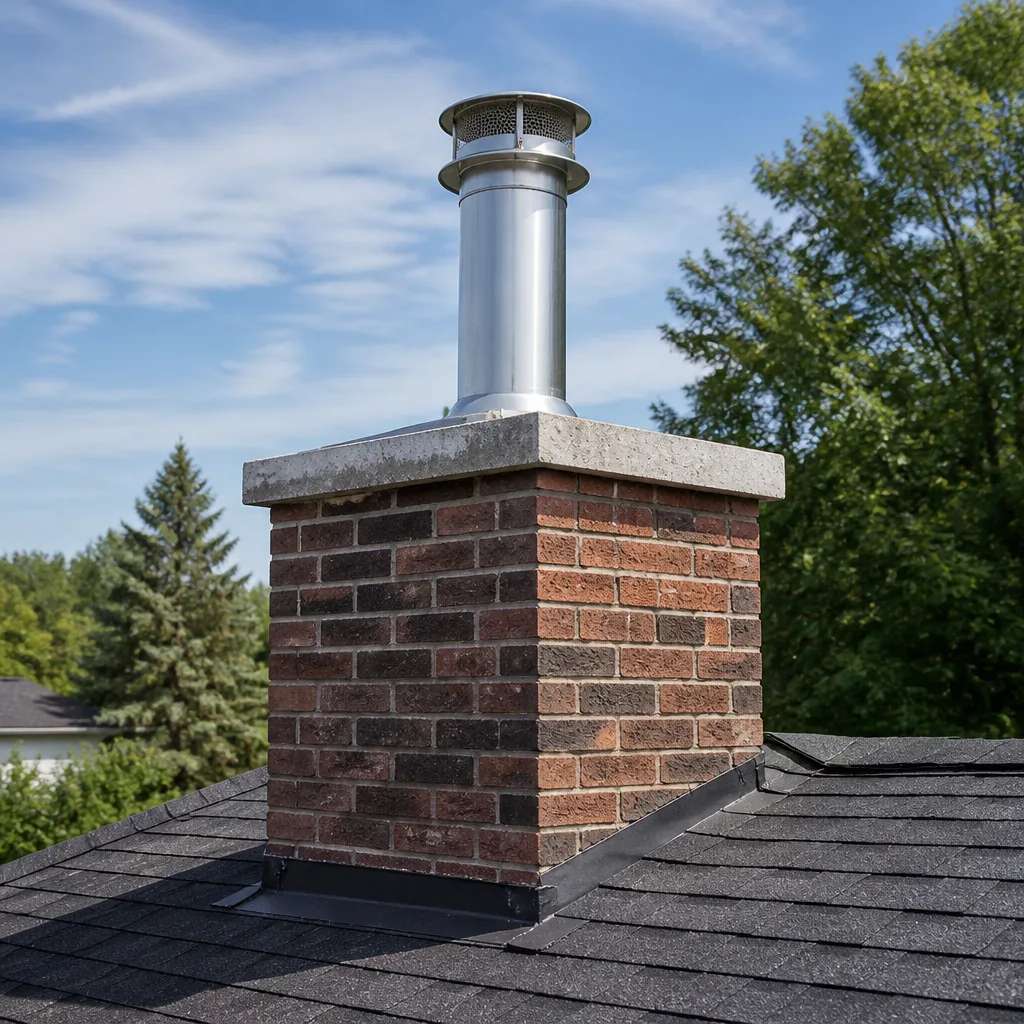 Flue relining
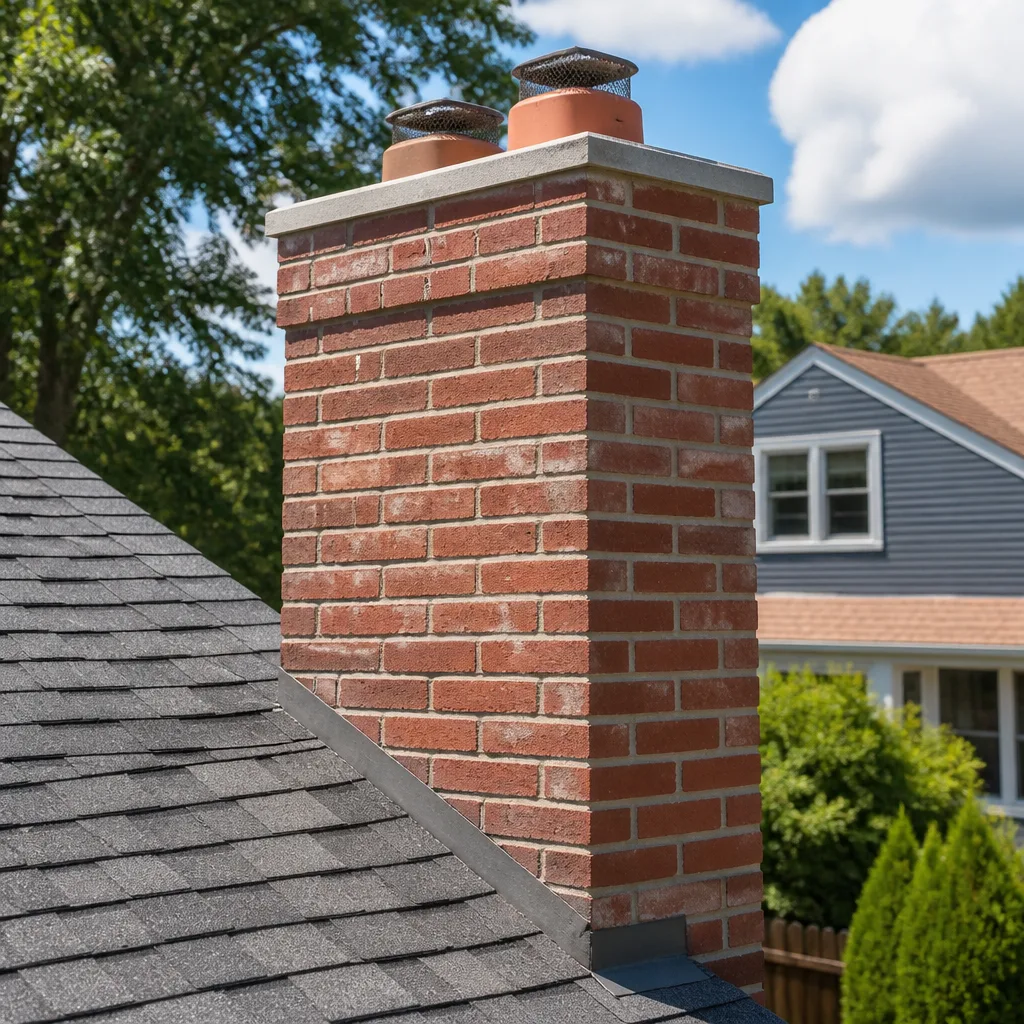 Masonry repair
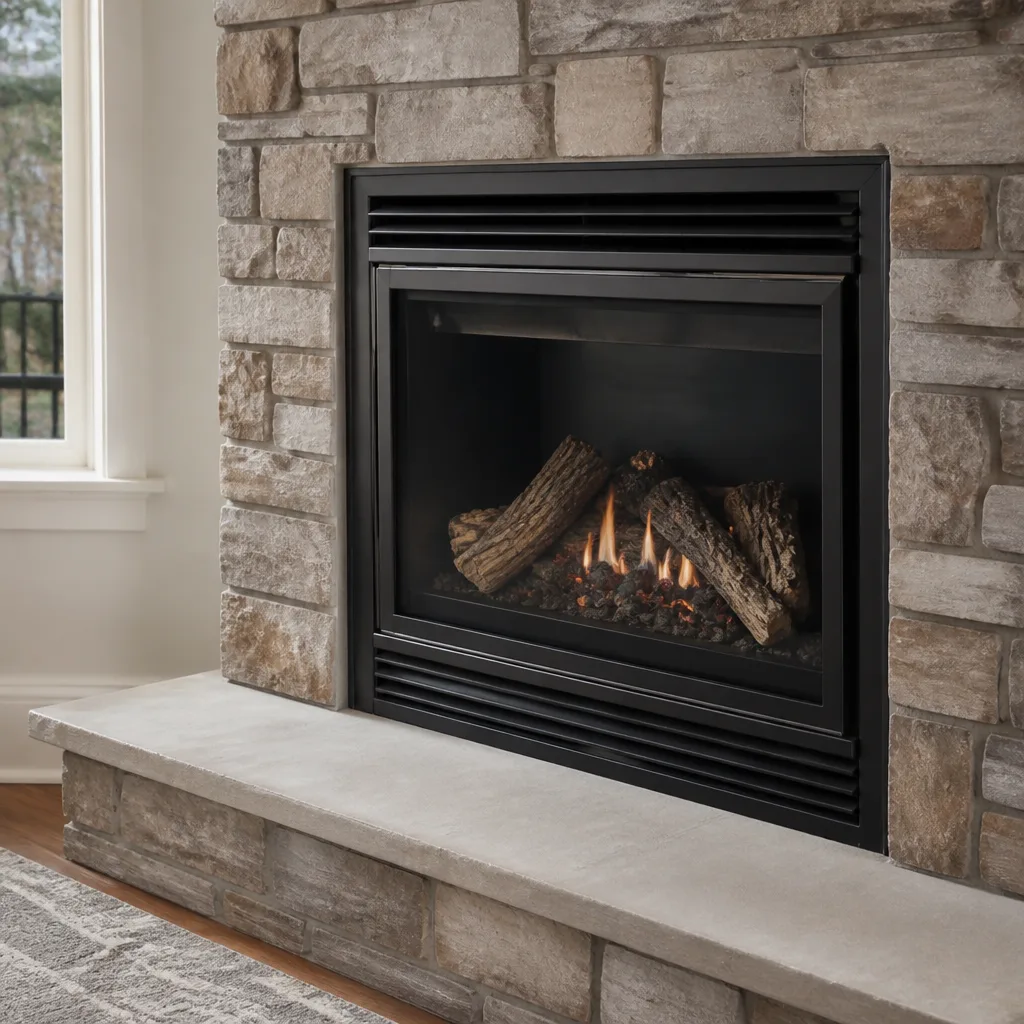 Gas fireplace service
Level 1 sweep and inspection to the NFPA 211 annual standard - flue, crown, cap, and flashing checked and photographed
Chimney sweep logs do not sweep chimneys. They loosen some creosote - which then falls where a brush and vacuum still have to collect it.
Seasonal Chimney Cleaning Care for Norfolk: Year-Round Homeowner’s Guide
Most Norfolk homeowners think about their chimney exactly once a year – in October, when the first cold front rolls in and someone wants a fire. By then, the best service windows have already closed. The line for a sweep is long, the flue has sat untouched through a humid summer, and small problems have had months to deepen. Chimney care in this city isn’t one task on one date. It’s four distinct seasons, each doing something different to the inside of your chimney. This guide walks through what each season builds up or reveals, what to check, and when to book work so you’re never the person waiting weeks for an inspection while the firewood sits by the door.
Quick Answer
The best time to schedule chimney service in Norfolk is late summer, before the fall rush, once a dormant season has let moisture damage show itself and while sweeps still have open availability. A professional sweep and inspection once a year keeps creosote and blockages from building into a fire or carbon monoxide risk. Spring is the right window for structural repair, when mortar cures well and the work gets done ahead of the busy season. If you burn daily through winter, add a mid-season check.
Styles & brands we work with
- Sweep & inspection
- Caps & crowns
- Flue relining
- Masonry repair
- Gas fireplace service
Table of Contents
- Why seasonal chimney care matters in Norfolk
- What summer does to an unused flue
- The fall pre-season checklist
- Mid-winter checks for heavy burners
- Spring tasks that prevent off-season deterioration
- Why spring is the best time for chimney repair
- How often a Norfolk chimney needs sweeping
- Common mistakes to avoid
Why Seasonal Chimney Care Matters in Norfolk
A chimney is not a static pipe. It’s a system that reacts to weather, to how much you burn, and to how long it sits idle. Norfolk’s climate swings through humid summers, wet winters, and a real freeze-thaw cycle. Each of those does something to masonry, liners, and the creosote left inside a flue. Treating chimney care as a single autumn event misses most of what’s actually happening.
We think about it in two categories. Some seasons build up a problem: summer humidity feeding moisture into an unused flue, winter creosote layering onto the liner with every fire. Other seasons offer the window to fix it: spring, when mortar cures cleanly and the schedule is quiet, or late summer, before every homeowner in Norfolk calls at once.
Homeowners with older masonry chimneys feel this most. Brick and mortar absorb moisture and release it slowly. A chimney that looks fine in October can have a hairline crack in the crown that let water in all summer. A gas insert homeowner has a different set of concerns – condensation and venting – but the seasonal logic is the same. The point isn’t that chimney care is complicated. It’s that the calendar matters, and the homeowner who understands the calendar gets better work at a better time.
This is the full-lifecycle view that Norfolk Chimney Cleaning works from: inspection first, sweep when needed, repair when the evidence calls for it. Each season has its own job.
What Summer Does to an Unused Flue
Summer is the quiet season for the fireplace and the busiest season for hidden damage. A flue that sat all winter full of warm, moist air from burning wood now sits closed up in high humidity. That trapped moisture doesn’t disappear. It settles into masonry pores, into mortar joints, and against the liner. Over weeks, brick that was sound in April can develop efflorescence – the white, chalky staining that signals moisture moving through the masonry.
A common misconception is that opening the damper in July ventilates the system. It doesn’t, not really. A damper opens the path from the firebox up the flue, but it doesn’t move air. Without a draft – without a fire pulling air up and out – the flue stays humid and still. Opening the damper can even let more outside humidity in through the top of the chimney if the cap is damaged or missing. Ventilation requires airflow, and a closed-up chimney in July has almost none.
Condensation is the other summer issue. Metal liners, especially in chimneys serving a gas appliance, can collect moisture on the inside when the flue is cool and the air is humid. That condensation is acidic over time and works on the liner surface. Homeowners who switched to a gas insert sometimes notice a metallic or musty smell in summer. That’s often the liner telling you something.
What to do in summer:
- Look at the chimney from the ground. White staining on the brick means moisture is getting in.
- Check that the chimney cap is intact and seated. A missing or loose cap is an open door for rain.
- Watch for rust streaks on a metal firebox or liner – a sign of condensation.
- Book your late-summer inspection now, before the October pile-up.
If the flue has sat unused for a full season, this is the moment to have it inspected. Moisture damage reveals itself in summer, and a Norfolk homeowner who catches it in August has options that the September caller doesn’t.
The Fall Pre-Season Checklist Before the First Fire
Before you light the first fire of the year, the chimney should be ready. That means clean, clear, and inspected. Here’s the checklist we walk Norfolk homeowners through each fall:
- Schedule a professional sweep and inspection. A trained technician removes creosote and checks the flue, firebox, damper, cap, and crown. Do this before the first burn, not after.
- Open and close the damper. It should move freely and seat fully. A damper stuck open wastes heat and lets cold air in; one stuck closed sends smoke into the room.
- Check the firebox for cracked brick or loose mortar. Small cracks in the firebox can let heat reach the structure behind it. This is one reason inspection matters.
- Confirm the chimney cap is in place. A cap keeps out rain, animals, and debris. A missing cap is one of the most common problems we find going into fall.
- Clear the area around the hearth. Combustible material near the firebox opening is a straightforward fire risk, and it’s an easy fix.
- Have your wood ready and dry. Seasoned, dry wood burns cleaner and produces less creosote than green wood. Stack it away from the house.
- Check smoke and carbon monoxide detectors. Test them and replace batteries. A chimney problem that blocks draft can send carbon monoxide into the home.
The order matters less than doing all of it before the first fire. A sweep scheduled in late summer leaves room to fix anything the inspection turns up. A sweep scheduled in October often means waiting, and burning in a system nobody has looked at. If you need a chimney sweep, book it early and the rest of the checklist has room to breathe.
Mid-Winter Checks for Homeowners Burning Heavily
How fast creosote builds depends on how much you burn. A homeowner who lights a fire a few times a week accumulates creosote slowly. A homeowner who runs a fire most days, especially with a wood stove or an insert burning long hours, accumulates it much faster. Creosote is the leading cause of chimney fires, and it’s the reason a heavy burner should not treat a single autumn sweep as the whole year’s plan.
For a heavily used chimney in Norfolk, a mid-winter check is worth scheduling. It’s not a full annual service – it’s a look at how the system is doing at the halfway point of the season. What we check at mid-season:
- How much creosote has built up since the fall sweep, and whether it’s glazed or flaky.
- Whether the draft is still strong, or whether smoke is backing up into the room.
- Any new cracking in the firebox or smoke chamber from the season’s heat cycles.
- The cap and crown, which take a beating from winter rain and freeze-thaw.
There are warning signs that mean stop burning and call now, not next month. A loud roaring or popping sound from the flue. A strong, hot smell. Smoke spilling into the room when the fireplace is lit. Creosote flakes falling into the firebox. Any of these point to a problem that needs a professional look before the next fire. These are genuinely dangerous conditions – don’t test them yourself, and don’t keep burning to see if it clears.
The creosote rate is why the annual sweep is a minimum, not a maximum. A daily burner may need more frequent cleaning than once a year. If you’re not sure where you fall, that’s a good question to ask at inspection.
Spring Post-Season Tasks That Prevent Off-Season Deterioration
Spring is when the chimney stops working and starts weathering. The burning season winds down, and the structure is left to face months of rain and temperature swings before fall. The tasks you do in spring determine how the chimney looks when you come back to it.
The first job is a post-season inspection. Winter storm exposure is hard on the top of the chimney. Wind, rain, and freeze-thaw cycles work on the cap and crown. A cap that was secure in October can be loose or dented by March. A crown with a hairline crack lets water seep into the masonry below it all summer. Catching these in spring, before the warm season starts, keeps small damage from becoming structural.
Spring checklist:
- Inspect the cap and crown. Look for cracks, loose seating, and storm damage. A sound crown sheds water; a cracked one lets it in.
- Check the flashing where the chimney meets the roof. This is a common leak point after winter.
- Look at the masonry for new staining or spalling. Efflorescence or flaking brick in spring means water got in over winter.
- Sweep if you didn’t sweep at the end of the season. Leaving creosote in the flue all summer lets it absorb humidity and adds to corrosion.
- Close the damper and check the firebox for off-season issues. A clean, closed system is a quieter one over summer.
A spring inspection is also the best chance to plan repair work with a clear head, rather than in the rush of fall. Anything the inspection flags has the whole warm season to be handled. If you want an objective look with no repair pushed on you, a standalone inspection is exactly that – we inspect before we recommend, and the report tells you what’s actually there.
Why Spring Is the Best Time for Chimney Repair
Spring is the best season for structural chimney work, and it comes down to two things: curing conditions and schedule. Mortar and the materials used in chimney repair cure best in mild, stable weather. Not the freezing nights of winter, not the high heat and humidity of deep summer. Spring gives repair work the temperatures and moisture levels it needs to set properly. A repair done in good curing conditions holds up better than one rushed in cold or driven rain.
The second reason is availability. Chimney work in Norfolk has a busy fall and a quiet spring. A homeowner who schedules repair in spring gets the work done in good weather and ahead of the fall rush. A homeowner who waits until October to act on an inspection finding may be scheduling repair in the worst of the season’s demand.
Spring is also the window for liner work. When a flue is damaged, the answer is often restoration rather than demolition. Systems like chimney repair using HeatShield and DuraFlex allow a damaged flue to be resurfaced or relined without tearing out the masonry. That’s meaningful for older Norfolk chimneys, where the original brick is worth keeping. Professional-grade materials, including HeatShield and DuraFlex, are installed by chimney-focused technicians, and doing it in spring means the system is ready well before the first fire of fall.
The key distinction is between sweep-only providers who can diagnose a problem but not fix it, and a chimney specialist who can handle inspection, sweep, and repair under one roof. If spring inspection finds something, the work can be scheduled and done without a second contractor. From first inspection to final repair – one specialist, one call.
How Often a Norfolk Chimney Needs Sweeping
Once a year is the baseline for most chimneys, and for many Norfolk homeowners that’s enough. The frequency that fits your chimney depends on use. A fireplace lit a few times a week over winter typically holds to an annual sweep. A system burning daily, or a wood stove running long hours, can build creosote fast enough to need more frequent cleaning. Gas inserts have their own venting considerations and should still be inspected annually even though they don’t produce the same creosote. Older masonry chimneys deserve a yearly look regardless of use, because the structure itself weathers.
At a sweep, we remove creosote buildup – the leading cause of chimney fires – and inspect the flue, firebox, damper, cap, and crown. What we find goes into an assessment, and nothing gets recommended before you’ve seen it. If the flue is only lightly soiled, the sweep is the whole job. If there’s a cracked crown or a failing liner, that’s a separate conversation, and it’s yours to make with the evidence in front of you.
Don’t skip the annual sweep on the assumption that a small fire once a month is harmless. Creosote doesn’t care how often you burn; it accumulates whenever you do. And a blocked or narrowed flue affects draft and carbon monoxide safety whether the fire is big or small. If you can’t remember your last sweep, that’s your answer on when to book.
Common Mistakes to Avoid
- Waiting until October to call. The first cold snap sends every Norfolk homeowner to the phone at once. You end up waiting weeks and burning in an uninspected system. Book in late summer instead.
- Assuming an open damper dries the flue. It doesn’t move air. Without a draft, a humid summer flue stays humid. Opening the damper in July is not the same as ventilating the system.
- Ignoring the chimney cap. A missing or damaged cap is a door for rain, debris, and animals. It’s one of the most common problems we find, and one of the easiest to prevent.
- Burning green or wet wood. Damp wood burns cooler and dirtier, which speeds creosote buildup. Seasoned wood burns cleaner and keeps the flue healthier between sweeps.
- Skipping the mid-season check on a heavily used chimney. A daily burner can build creosote fast. One autumn sweep isn’t the whole plan for a chimney running long hours.
- Waiting until fall to repair a spring inspection finding. Mortar cures best in mild weather, and spring has the quiet schedule. Pushing structural work into the busy fall loses both.
- Assuming a clean-looking firebox means a clean flue. The creosote that matters is up inside the flue, out of sight. Only inspection and a sweep will tell you what’s there.
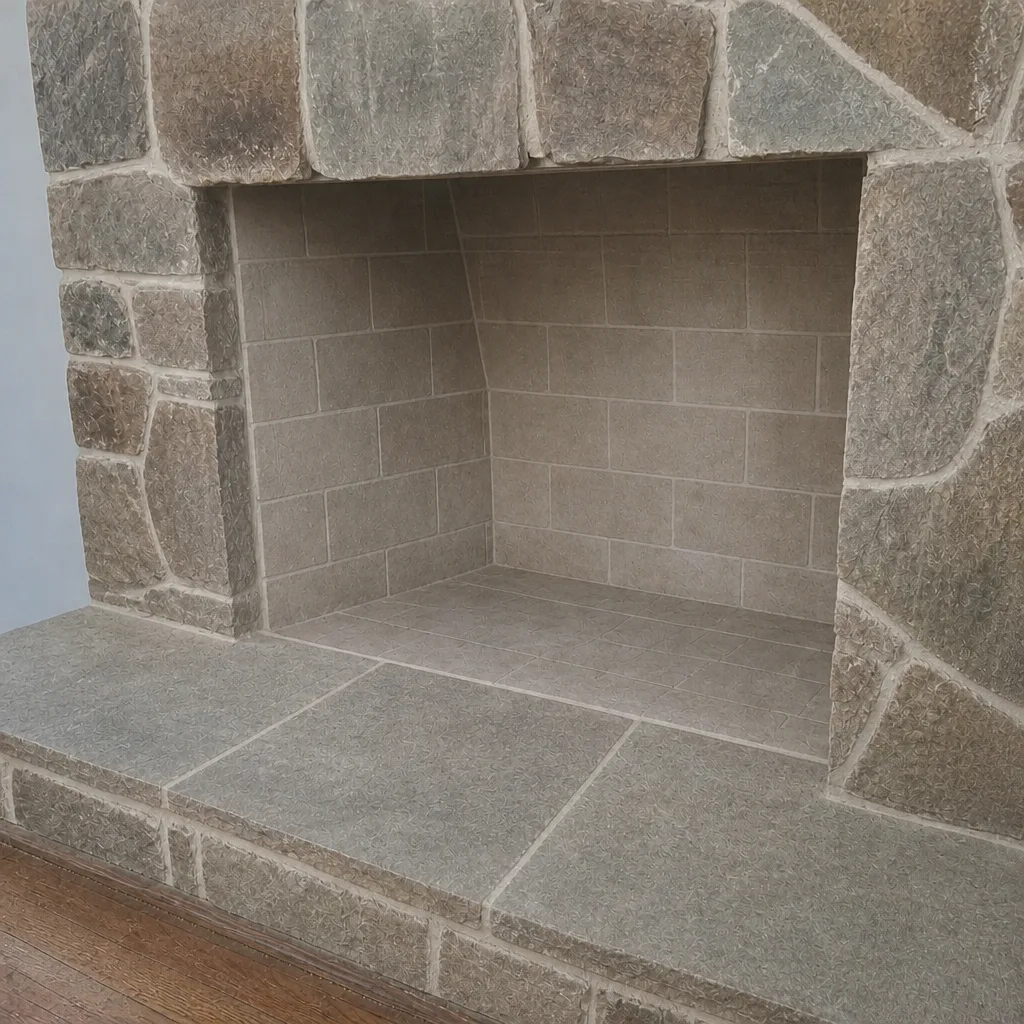
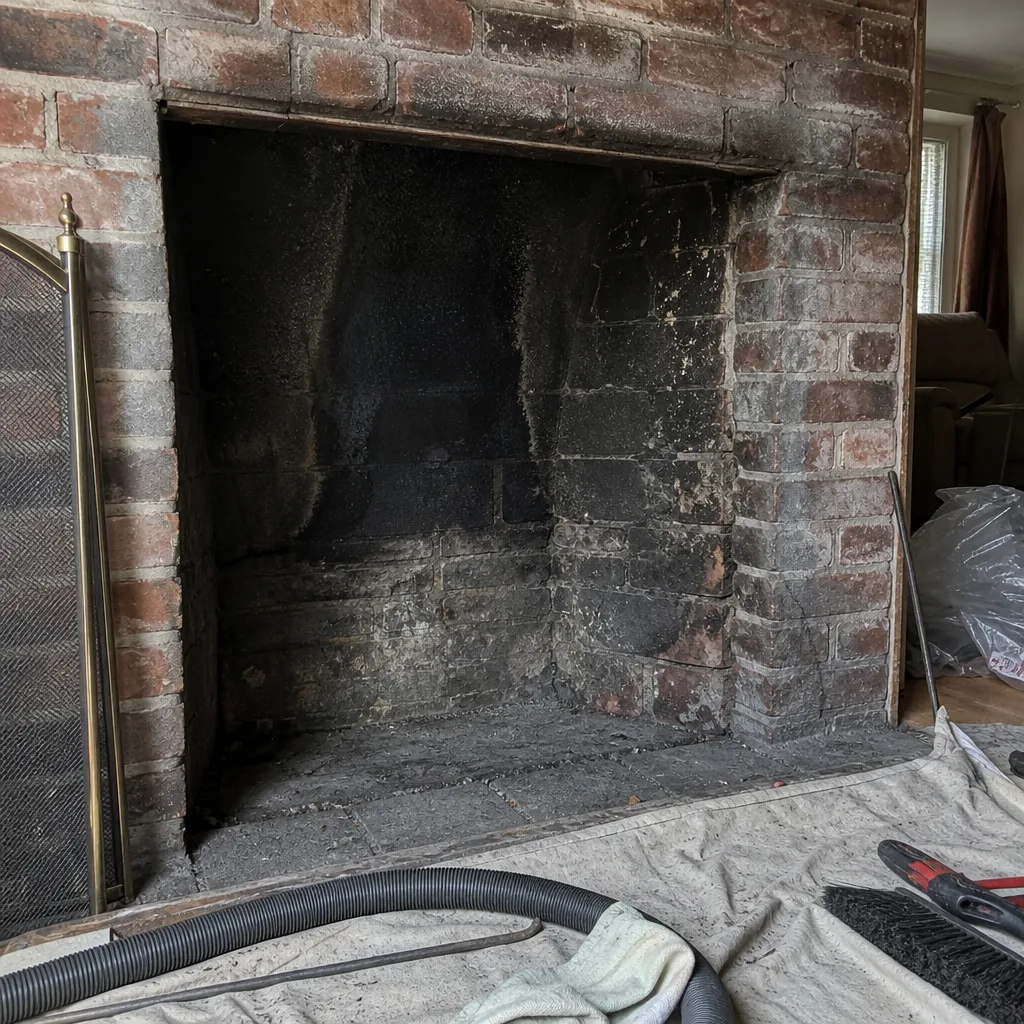
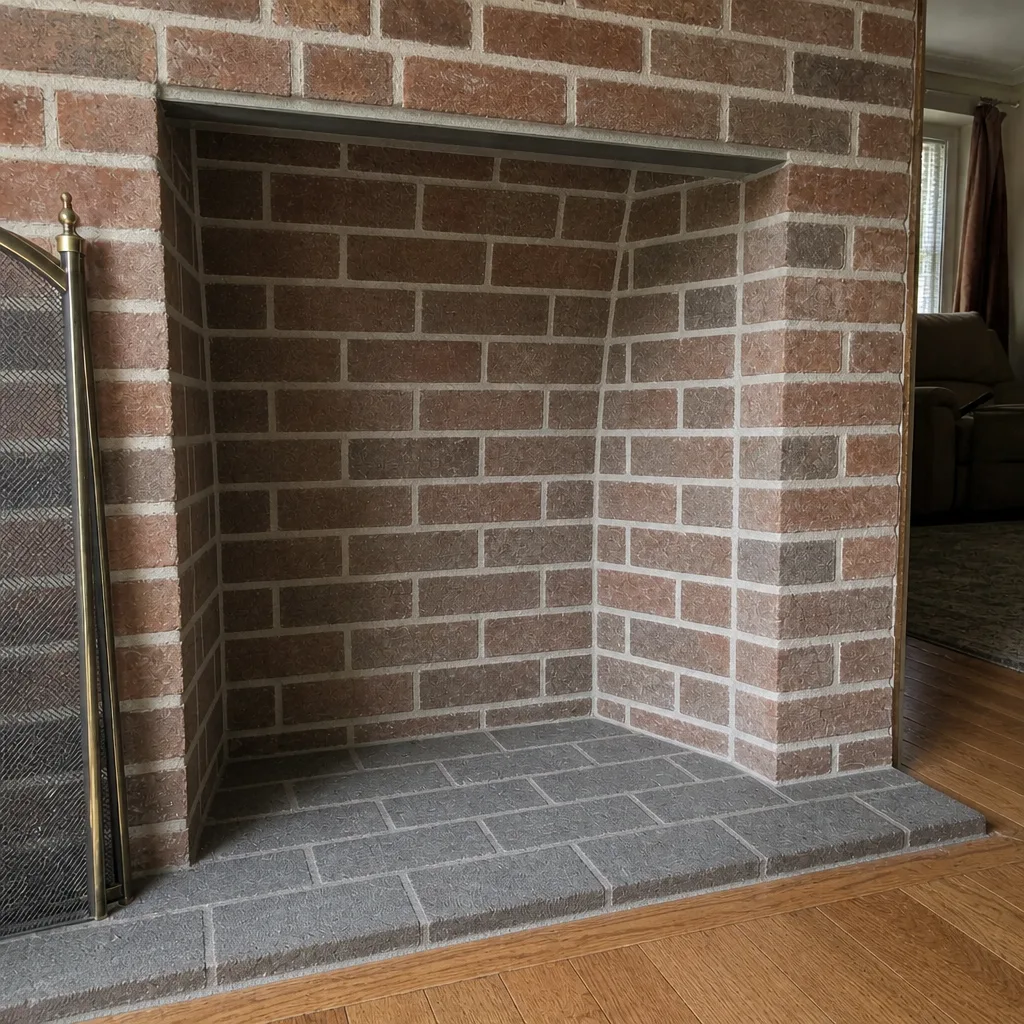
See the difference
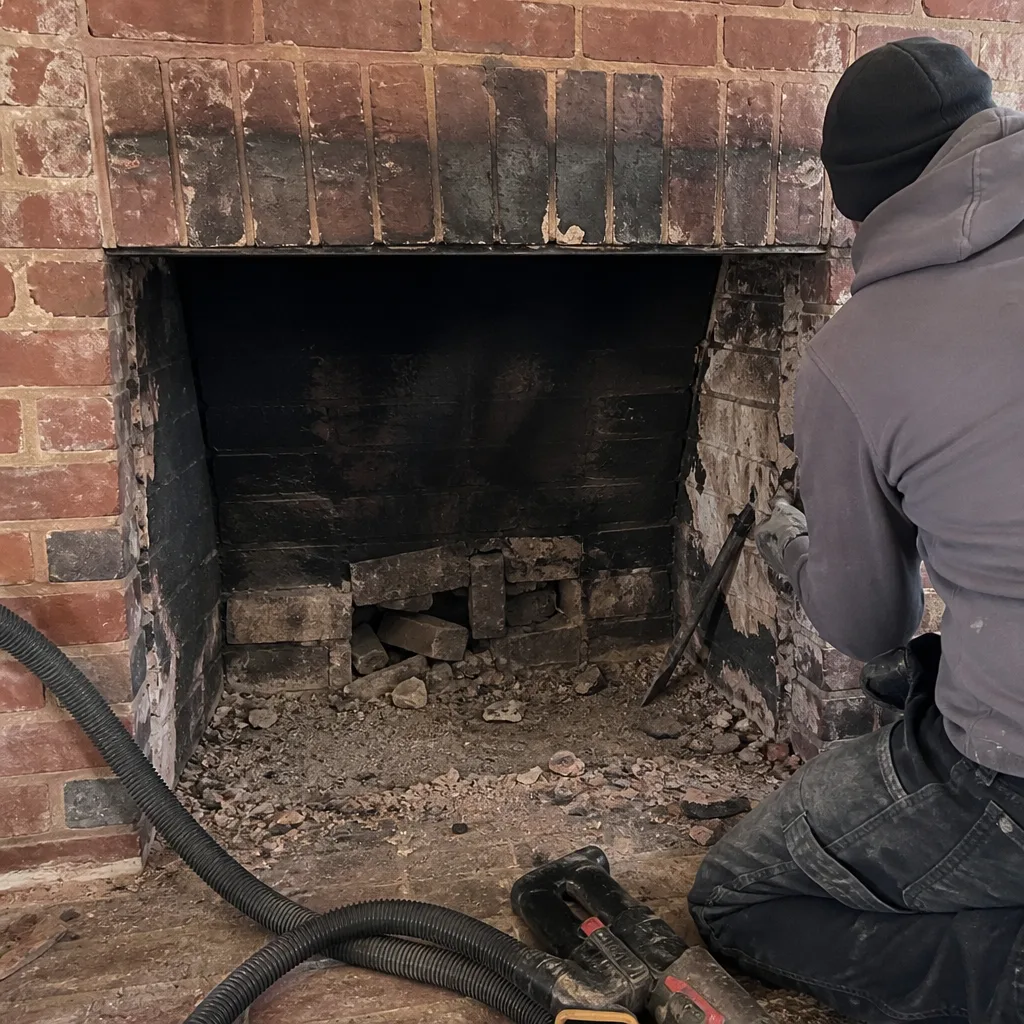 Before
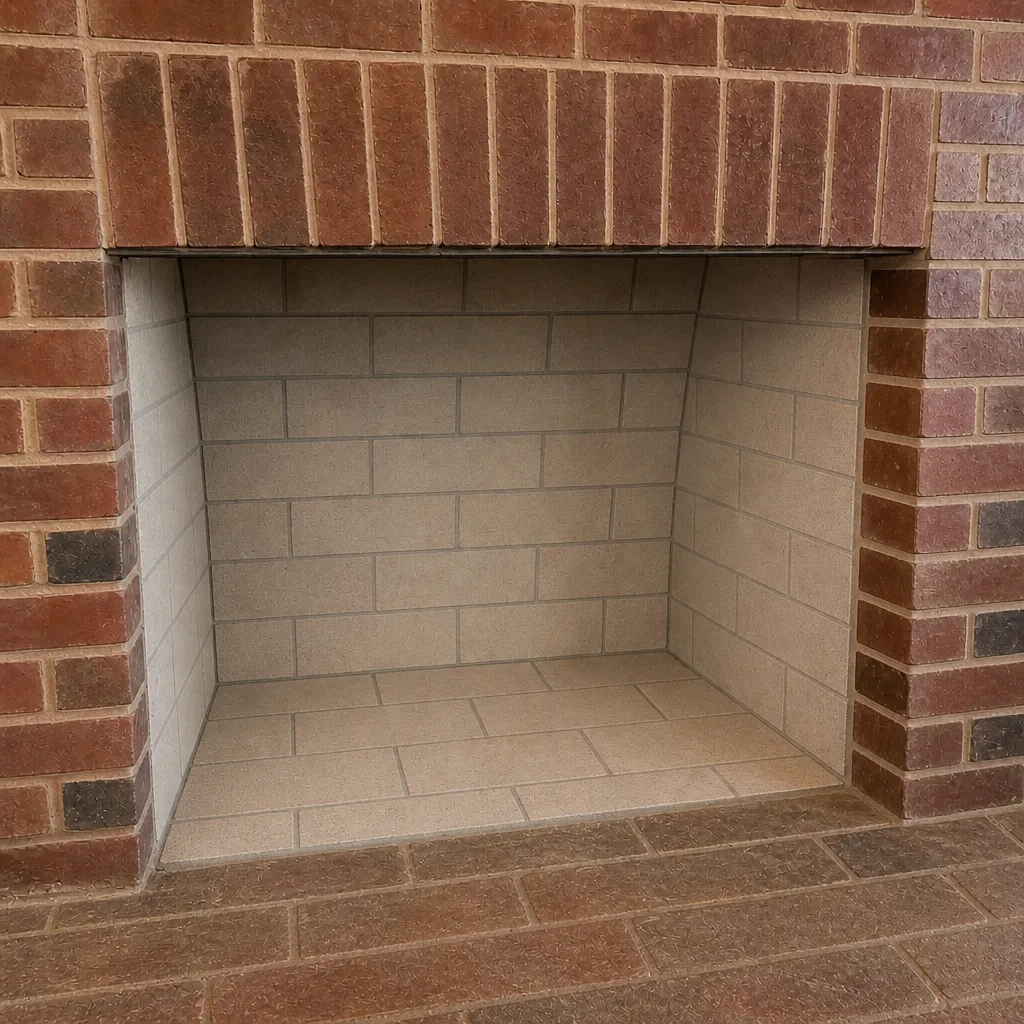 After
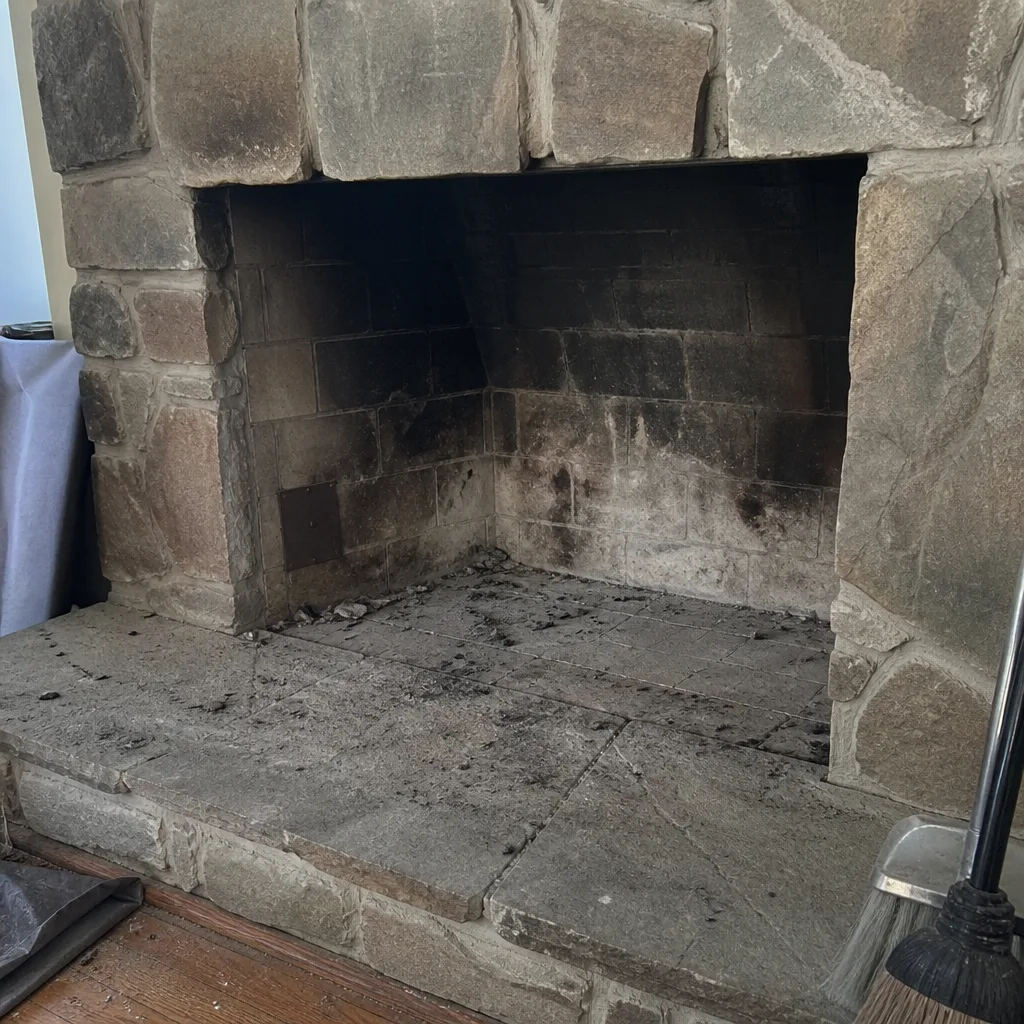 Before
 After
 Before
 After
When to Call a Professional
Some chimney problems can be checked from the ground; others need a trained technician. Call a professional when you see white staining or spalling on the brick, a cracked or missing cap, or a damper that won’t move. Call immediately if smoke spills into the room when the fireplace is lit, if you smell a strong hot or metallic odor, or if you hear roaring or popping from the flue – those point to conditions that need a look before the next fire. Call if it has been more than a year since your last sweep, if you’ve moved into a home with a fireplace and don’t know its history, or if a heavy burning season has stacked up in a system that hasn’t been checked since fall. Call before you do any repair yourself, especially on the flue or firebox, where a mistake can create a carbon monoxide problem.
Norfolk Chimney Cleaning offers free estimates in Norfolk – call (844) 496-0079. We answer 24/7. Fast dispatch from 7am to 7pm, Sunday through Friday. Our technicians have up to 15 years of experience, and every job starts with an inspection, not a sales pitch.
Frequently Asked Questions
Most Norfolk chimneys should be swept once a year, and a chimney burning daily or serving a wood stove may need it more often. The annual sweep removes creosote, the leading cause of chimney fires, and gives a technician a look at the flue, firebox, cap, and crown. Heavy users should add a mid-winter check. Call (844) 496-0079 to book a sweep.
Late summer is the best window for a sweep and inspection – before the fall rush, after a dormant season has let moisture damage show itself, and while sweeps still have open availability. Spring is the best season for structural repair, because mortar cures well in mild weather and the schedule is quieter. Both windows exist so you’re not the October caller waiting weeks.
Yes. Summer is when an unused flue collects moisture. Brick and mortar absorb humidity, and condensation can form on metal liners. White staining on the brick or rust streaks on the firebox are signs moisture is moving through the system. Opening the damper doesn’t ventilate it – without a draft, the flue stays humid. Have it inspected in summer so any damage is caught before fall.
Spring gives repair materials like mortar the stable, mild conditions they need to cure properly, and the chimney schedule is quieter than in fall. Liner restoration systems such as HeatShield and DuraFlex can often repair a damaged flue without demolition, and doing that work in spring means the chimney is ready well before the first fire of the season. If you’ve put off a repair finding, spring is when to schedule it.
A daily-burning chimney builds creosote much faster than one used a few times a week, and that difference is why heavy burners should add a mid-winter check. The rate depends on the wood, the draft, and the appliance, not just the count of fires. If you burn most days through winter, ask about a mid-season inspection rather than waiting a full year.
Stop burning and call if you hear roaring or popping from the flue, smell a strong hot odor, see smoke backing into the room, or notice creosote flakes falling into the firebox. These point to conditions that need a professional look before the next fire – don’t keep burning to see if it clears. Call (844) 496-0079. We answer 24/7. Fast dispatch from 7am to 7pm, Sunday through Friday.
The Bottom Line
Chimney care in Norfolk isn’t one autumn task. It’s a year-round cycle where each season either builds a problem or offers the window to fix it. Summer humidity works on an unused flue; winter creosote builds with every fire; spring is when you repair and prevent off-season damage; late summer is when you sweep before the rush. The homeowner who books a late-summer sweep, keeps up with the fall checklist, adds a mid-winter check if they burn heavily, and uses spring for repair stays ahead of every season. If it’s been more than a year since your chimney was looked at, that’s the one task to start with. Call (844) 496-0079 for a free estimate and let’s get your chimney on a schedule that fits the Norfolk year.
Written by the team at Norfolk Chimney Cleaning.