
Last updated November 16, 2026
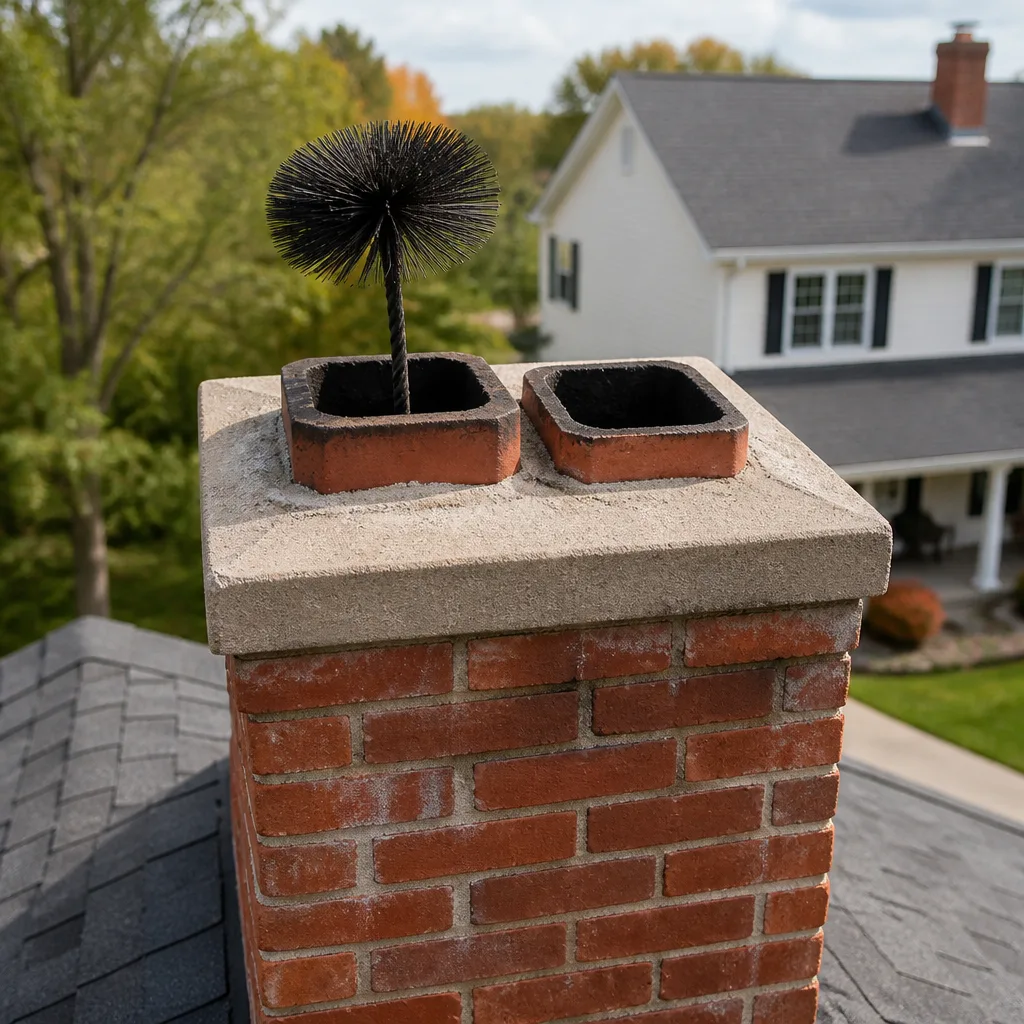 Sweep & inspection
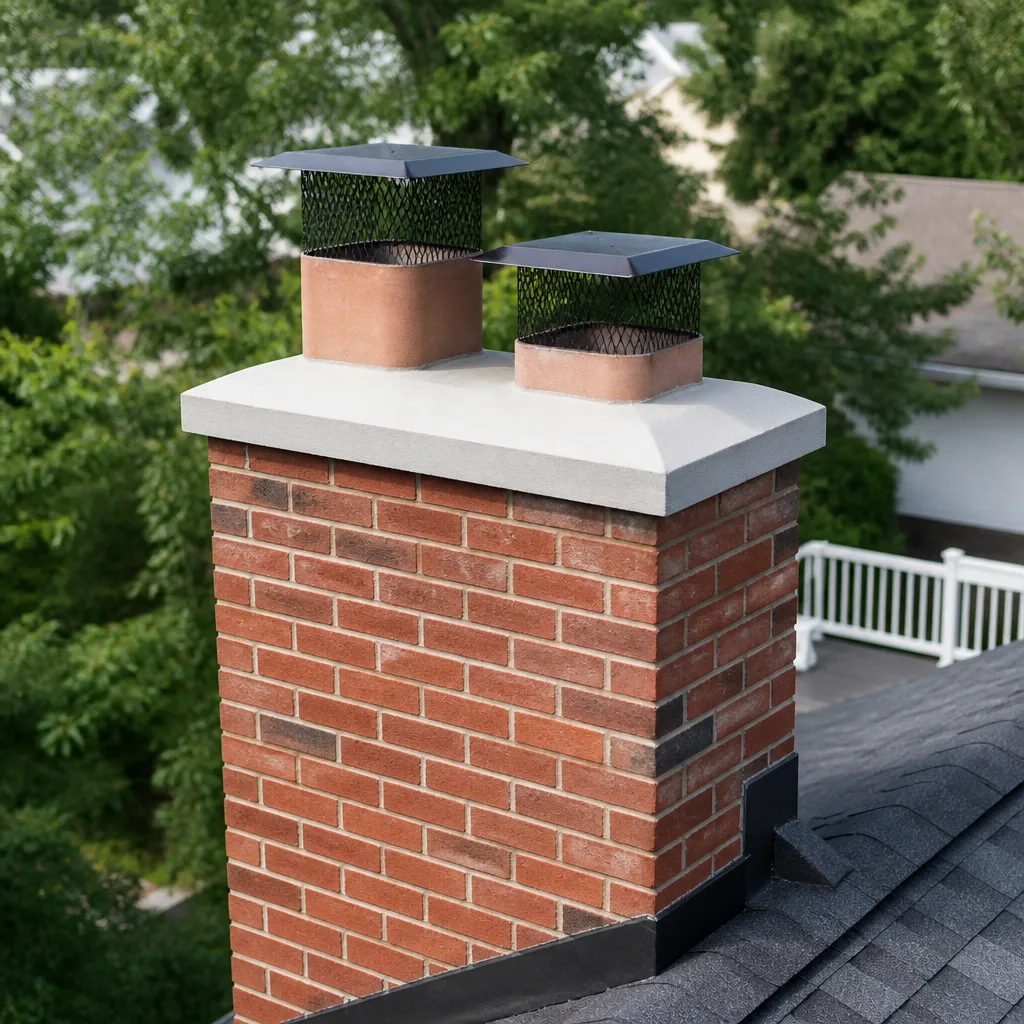 Caps & crowns
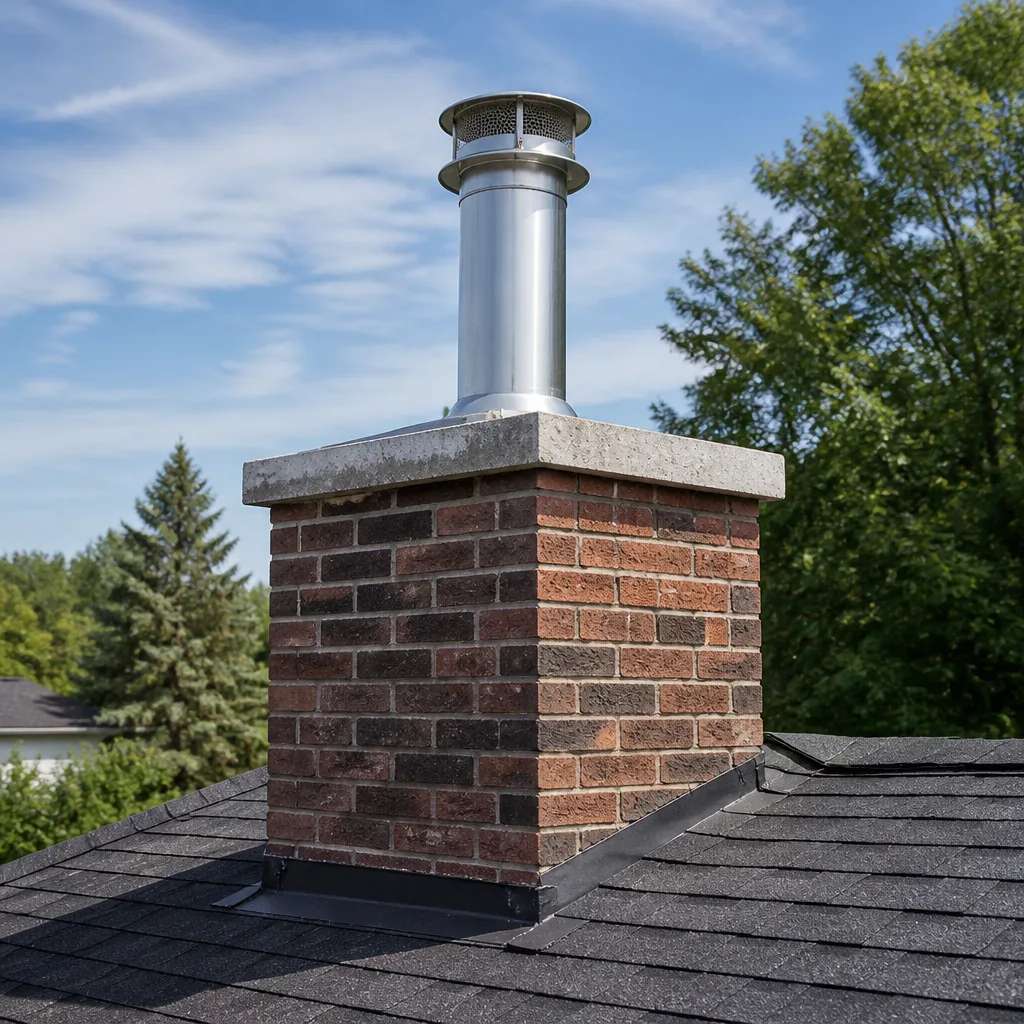 Flue relining
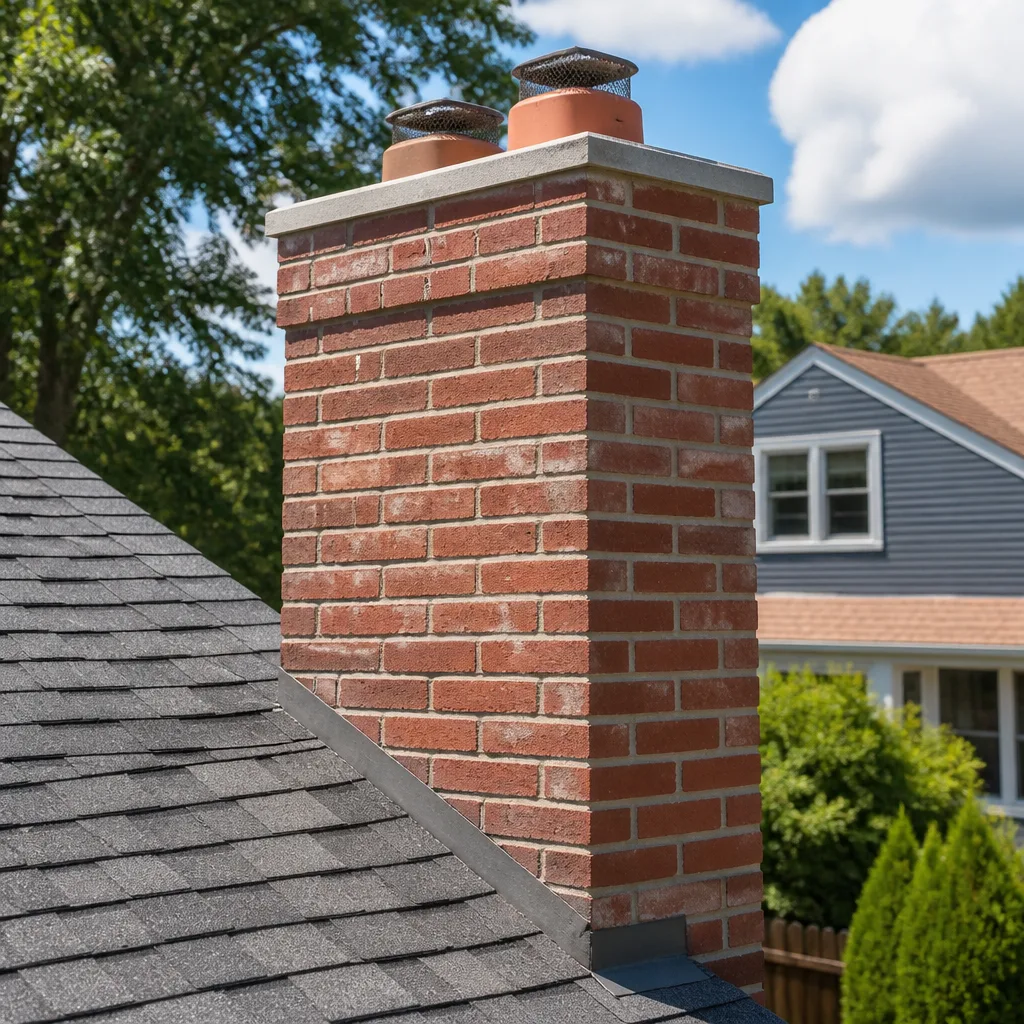 Masonry repair
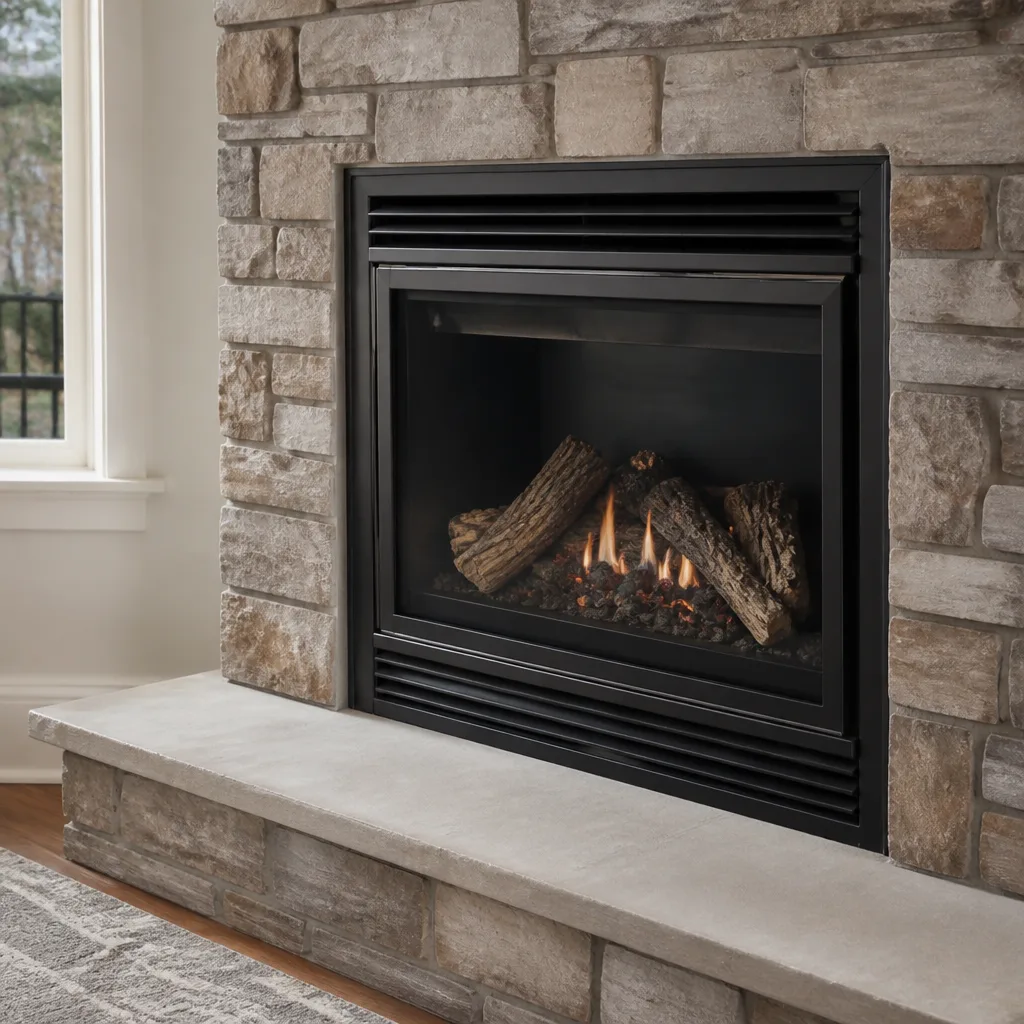 Gas fireplace service
Level 1 sweep and inspection to the NFPA 211 annual standard - flue, crown, cap, and flashing checked and photographed
Chimney sweep logs do not sweep chimneys. They loosen some creosote - which then falls where a brush and vacuum still have to collect it.
Chimney Cleaning Cost Breakdown: The Norfolk Homeowner’s Reference for 2026
The $89 chimney sweep special is a number designed to get a phone call, not an accurate picture of what the work costs. Companies that advertise it are counting on finding repairs once they’re inside your home, and the final invoice often doubles the quote you agreed to. That’s not always dishonest – sometimes the flue really is cracked or the cap really is rusted through – but it means you need to know what legitimate cleaning costs separately from legitimate repairs before you can evaluate either one. This guide breaks down chimney cleaning pricing in Norfolk for 2026: what each service tier actually includes, what drives the price up or down, how to read a quote line by line, and what proper annual maintenance really costs you over a decade of owning a wood-burning home.
Quick Answer
A basic chimney sweep in Norfolk typically runs $150 to $300, a Level 1 inspection bundled with a sweep runs $200 to $400, and a Level 2 video inspection runs $250 to $500 on its own or $350 to $650 with a sweep. Add-ons like cap replacement, damper repair, and crown sealing are priced separately and should always appear as their own line items. The written estimate sets the final price, and any quote you get should state the scope clearly enough that you can compare it against another one.
Styles & brands we work with
- Sweep & inspection
- Caps & crowns
- Flue relining
- Masonry repair
- Gas fireplace service
Table of Contents
- What are the cost tiers for chimney cleaning in Norfolk?
- What actually drives the price up or down?
- How do you read a chimney quote line by line?
- What do common add-ons cost separately?
- Which upsells are legitimate and which are inflated?
- What does proper maintenance actually cost per year?
- What happens when you skip a sweep?
- Frequently asked questions
What are the cost tiers for chimney cleaning in Norfolk?
Chimney service isn’t one product with one price. It comes in tiers, and each tier answers a different question about your flue. Knowing which tier you’re buying is the single biggest thing you can do to compare quotes fairly, because a $99 sweep and a $275 sweep are usually not the same service at different prices – they’re different services.
Basic sweep. This is a cleaning, nothing more. A technician brushes the flue, removes creosote from the firebox and smoke chamber, and clears the debris. It’s appropriate when you already know the chimney is sound and you just need the buildup removed. Typical range in Norfolk: $150 to $300.
Level 1 inspection plus sweep. This is what most Norfolk homeowners actually need each year. You get the cleaning plus a visual inspection of the accessible parts of the chimney – firebox, damper, smoke chamber, flue, and the exterior components reachable from ground level or a ladder. The inspector is looking for cracks, gaps, creosote glaze, blockages, and signs of water intrusion. Typical range: $200 to $400.
Level 2 video inspection. This one uses a camera run through the flue so the technician can see what a visual inspection can’t – the inside surface of the liner, offsets, and the condition of joints. It’s the right call after a chimney fire, after a change of fuel type, when you’re buying a home, or when a Level 1 turns up something suspicious. Level 2 inspections run $250 to $500 on their own, or $350 to $650 when combined with a sweep.
The gap between the cheap sweep and the mid-range tier is the whole point of this guide. When you compare a $99 quote against a $325 quote, you’re likely comparing a cleaning against a cleaning plus a documented inspection. That’s not an upsell – it’s a different scope. Ask what tier each quote covers before you decide one is expensive.
What actually drives the price up or down?
Once you know the tier, a handful of physical factors move the price within that range. In Norfolk specifically, four things come up again and again.
- Flue height and roof access. A single-story ranch with a straight run up to the cap is faster and safer to work on than a tall two-story chimney with a steep pitch or a tile roof. Access difficulty shows up in the price, and it’s legitimate – no technician should be rushed on a roof.
- Liner type. A clay-tile flue, a stainless liner, and an older unlined masonry chimney each clean differently. A factory-built metal chimney with a stainless liner is usually faster. Clay tile with tight joints or heavy glaze takes longer.
- Fuel type. A gas insert or gas log set produces a different residue than a wood-burning fireplace. Gas appliances often need less frequent sweeping, but the inspection still matters because a blocked or damaged flue vents combustion gases – including carbon monoxide. Wood produces creosote, and creosote is what drives cleaning frequency.
- Creosote stage at time of service. This is the one homeowners underestimate most. First-degree creosote is light soot and brushes off easily. Second-degree is flaky and harder to remove. Third-degree is glazed, tar-like, and can require chemical treatment or rotary cleaning before it fully comes off. A chimney that hasn’t been swept in several years is a different job than one swept last season, and the price should reflect that.
We’ve seen this play out on plenty of Norfolk chimneys. A house near Ghent with a well-maintained liner and a yearly sweep is a straightforward job. A house near Ocean View where the fireplace has sat unused for years, or a home in Larchmont with a tall exterior chimney that’s collected buildup, takes more time and more care. Neither situation is unusual here – it’s just a different scope, and the quote should say so.
To put it plainly: if two quotes for the “same” sweep come back $120 apart and neither one states the creosote condition or the liner type, you’re not comparing prices. You’re comparing two guesses.
How do you read a chimney quote line by line?
A trustworthy quote tells you exactly what’s being done, in what order, and what’s included versus what’s separate. Here’s a simple three-step way to read one.
- Check that the cleaning and the inspection are both stated. If the quote only says “chimney sweep,” ask whether an inspection is included and which level it is. If it isn’t included, that’s a flag – not necessarily a bad one, but you need to know.
- Look for a separate line for every repair. A cap replacement, a damper repair, crown work, and liner restoration should each be their own numbered line with its own price. A quote that bundles “chimney work” into one lump sum without a breakdown makes it impossible for you to evaluate what you’re paying for.
- Ask what the price does and doesn’t cover. Does it include removing the debris? Does it include a written report or photos from the inspection? Does it cover the cap, or is the cap an add-on? The written estimate should answer all of this before you book.
Then look at the documentation. A proper chimney inspection includes a written report and, ideally, photos you can see for yourself. When a technician tells you the flue is cracked or the crown is failing, the evidence should be in your hands, not just in their words. That’s the single best protection against being sold a repair you didn’t need. We inspect before we recommend. If the flue is sound, the report should say so, and the recommendation should be to wait – not to schedule three repairs.
One more thing to check: what’s not on the quote. If a quote lists a “cleaning” and a “safety inspection” as two separate line items but describes the inspection in vague terms, ask which level of inspection it is. A Level 1 and a Level 2 are different products, and mixing them up is where the confusion starts. For a fuller picture of what a good inspection covers, our page on Norfolk Chimney Cleaning lays out the three service tiers and how they fit together.
What do common add-ons cost separately?
Once the cleaning and inspection are done, the technician may recommend one or more repairs. These should always be priced separately from the sweep. Here are the common ones, with typical 2026 Norfolk ranges. Your written estimate sets the final price, and these ranges are for comparison only.
- Chimney cap replacement: $150 to $450 depending on size, material, and whether a custom fit is needed. A cap keeps rain, birds, and debris out of the flue – a functional cap is basic protection, not a luxury.
- Damper repair or replacement: $150 to $400. A damper that won’t close lets heated air escape and lets cold air in; a damper that won’t open is a smoke problem. Top-sealing dampers and throat dampers are priced differently.
- Crown repair or sealing: $200 to $500 for sealing, more for rebuilding a failed crown. The crown is the concrete cap at the top of the chimney, and a cracked crown is a common route for water intrusion.
- Waterproofing: $200 to $600 depending on chimney size. Applied to the masonry, it’s a legitimate cost on a masonry chimney that’s absorbing water.
- Liner restoration: This is the big one. A HeatShield or DuraFlex liner system can restore a damaged flue without demolition, and costs vary widely based on flue length and condition. The estimate sets the price, and it should be quoted as its own line.
- Flue tile repair: Priced per tile or per joint, with the estimate setting the number. Cracks in clay tile are a real safety concern.
Notice that these are all specific, named items with a stated purpose. A legitimate repair recommendation tells you what’s broken, what the fix is, and why it matters. If a “repair” recommendation is vague – “your chimney needs work” – ask for the specific finding and the photo evidence. Repair work is a normal part of a chimney’s life, and a sweep-only provider who can’t fix anything can’t help you maintain the system anyway. Our chimney repair service covers these repairs in-house, so a finding during the sweep doesn’t turn into a second contractor and a second appointment.
Which upsells are legitimate and which are inflated?
This is where homeowners get burned, and it’s worth being direct about it. Some add-on recommendations are genuinely necessary. Others are inflated or premature. The difference usually comes down to evidence and timing.
A cap replacement is legitimate when the existing cap is missing, rusted through, or badly damaged. It’s inflated when the cap is fine and you’re being sold a “premium” cap as routine. A damper replacement is legitimate when the damper is seized, cracked, or no longer seals. It’s inflated when the damper works and the recommendation is framed as an upgrade. Waterproofing is legitimate on a masonry chimney with visible water staining, efflorescence, or spalling. It’s inflated when the chimney is already protected or when the real problem is a bad crown that should be fixed first.
The pattern to watch for is a recommendation that arrives without evidence. If you can’t see the crack in the photo, if the cap looks intact from the ground, if the damper opens and closes smoothly, ask the technician to walk you through the finding. A good technician will show you. A good technician will also tell you when work can wait – a hairline crack that isn’t spreading is a “monitor it,” not a “fix it today.”
Liner work deserves its own caution here. It’s the most expensive common recommendation, and it’s also the one most often over-sold. Our position is simple: nothing gets recommended without camera evidence you can see for yourself. When a liner really is failed, restoring it with a HeatShield or DuraFlex system is often the right answer, and it beats demolition. When it isn’t, the estimate should say so. Our page on the chimney sweep covers how creosote buildup and flue condition are assessed during the sweep itself.
One more thing worth saying: the sweep-only providers aren’t villains. They just can’t do the repair, which sometimes means they over-recommend it and hand it off, or under-recommend it because they can’t follow through. A specialist who does inspection, sweep, and repair under one roof has an easier time being honest, because there’s no incentive to inflate a repair to justify a second visit.
What does proper maintenance actually cost per year?
Annual maintenance is cheaper than a single deferred repair, and the math is worth doing before you decide to skip a season. A wood-burning chimney should be swept and inspected annually – more often if you burn heavily, and the frequency also depends on what you burn and how the flue is built. Here’s what a decade of proper maintenance looks like against a decade of neglect.
Regular maintenance, per year: a Level 1 inspection plus sweep at $200 to $400, plus the occasional cap or damper repair amortized over several years. Call it roughly $250 to $450 per year for most Norfolk homes. Over ten years, that’s $2,500 to $4,500 – and the chimney stays sound, the liner keeps its life, and small issues get caught before they become big ones.
Deferred maintenance: skip the sweep for a few years and creosote builds to the glazed stage. Now the cleaning itself is harder and more expensive, and the risk of a chimney fire rises. A chimney fire can damage the liner or the masonry, and the repair that follows – a liner restoration or a masonry rebuild – can run several times the cost of a decade of sweeps. The barrier here isn’t money, it’s information: it’s hard to know from the outside whether your chimney is fine or quietly failing.
Creosote is the leading cause of chimney fires. That’s not a scare tactic, it’s the reason sweeping exists. A clean chimney isn’t cosmetic – it’s a safety standard. And carbon monoxide from a blocked or damaged flue is a real risk on gas appliances too, which is why an annual inspection matters even when the fireplace sees light use. Norfolk’s humid summers and cold snaps create a lot of temperature cycling on masonry, which is another small reason a yearly look is worth it.
To put a number on it: the cheapest quote and the mid-range quote are usually within $100 to $150 of each other once you account for scope, and the difference across ten years is a few hundred dollars against a repair that could cost several thousand. If the goal is to avoid a costly surprise, the annual sweep is the cheaper path. Our page on Norfolk discusses how local conditions affect timing.
What happens when you skip a sweep?
Nothing happens, until it does. A skipped sweep doesn’t cause immediate problems – it lets creosote accumulate in the flue, and creosote ignites at temperatures a normal fire can reach. That’s the mechanical reality behind the annual recommendation, and it’s why the cost of a sweep is a maintenance expense rather than a repair expense.
The stages matter. First-degree creosote is light and brushes away. Second-degree is flaky and harder. Third-degree is glazed and can require chemical treatment or rotary cleaning before it’s fully removed – meaning the longer you wait, the more you pay for the same flue to get clean, and the more chance the creosote has already done its damage. A chimney fire can crack tile, warp a liner, or damage the masonry, and the repair that follows is a completely different price bracket.
There’s also a safety layer beyond the fire risk. A flue that’s blocked or damaged vents combustion gases poorly. On a gas appliance, that can mean carbon monoxide entering the living space. On a wood appliance, it can mean smoke backing into the room or a slow, incomplete burn. Neither is a way to find out that a repair was needed. If you haven’t had a sweep in a few years, book a sweep plus a Level 1 inspection and let the report tell you where you stand. If it’s fine, you’ll have years of calm. If it isn’t, you’ll know before it becomes an emergency.
If you’re in the middle of buying a Norfolk home, a Level 2 video inspection is worth the extra cost before you close. It’s the only way to see inside the flue before you take on someone else’s deferred maintenance.
See the difference
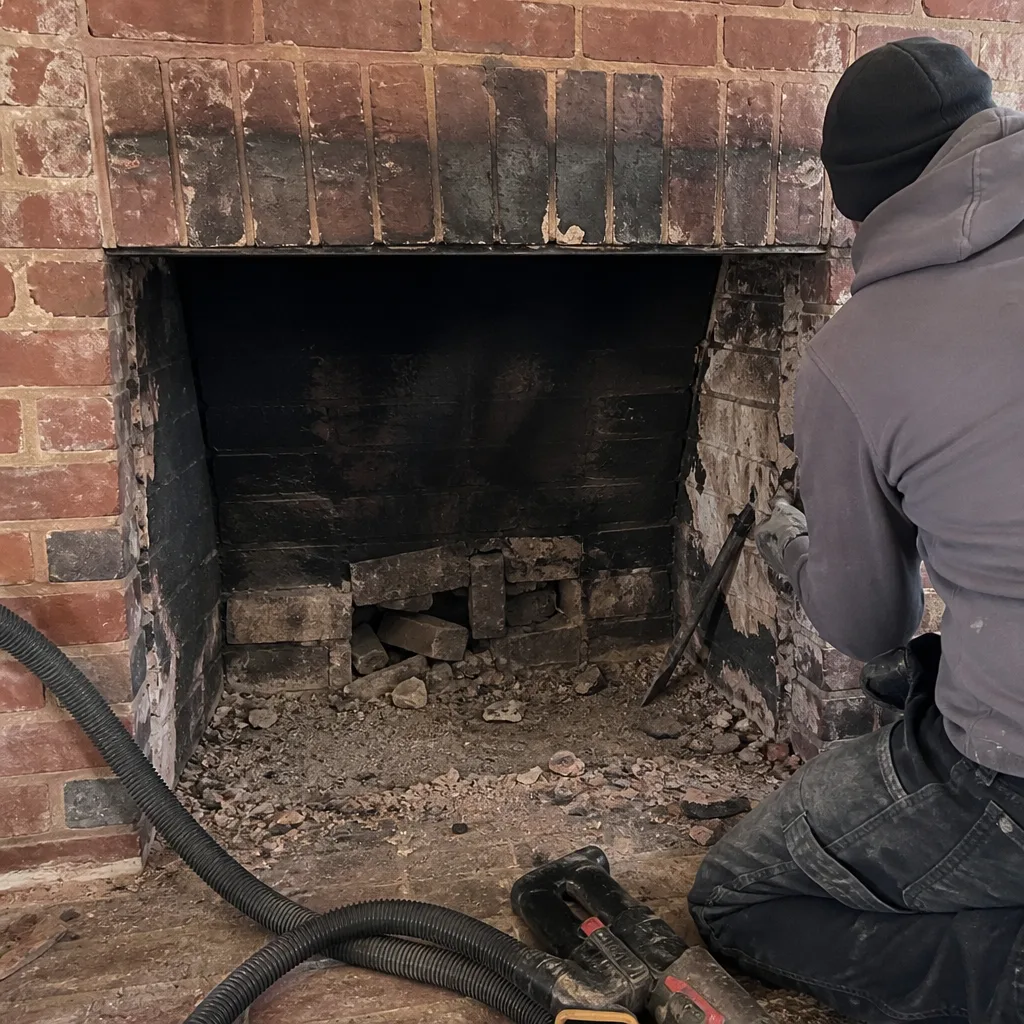 Before
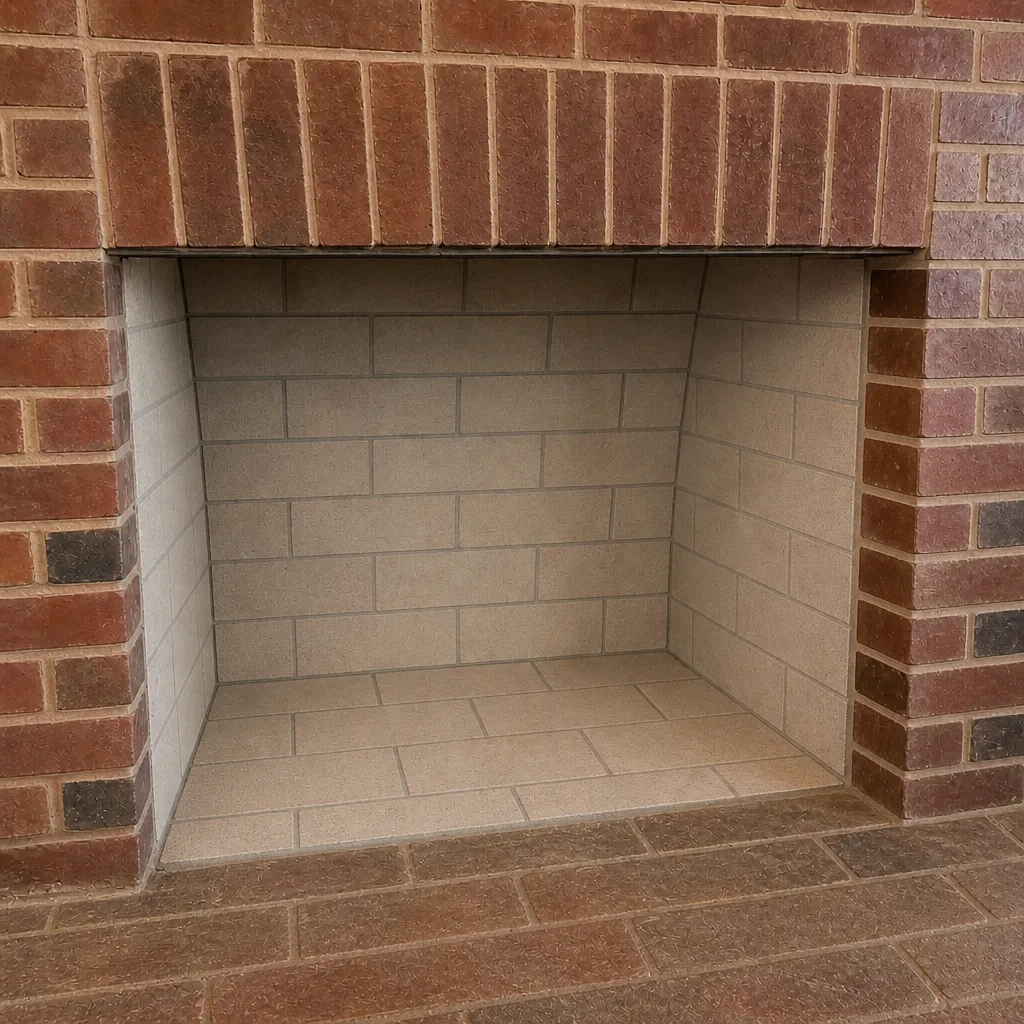 After
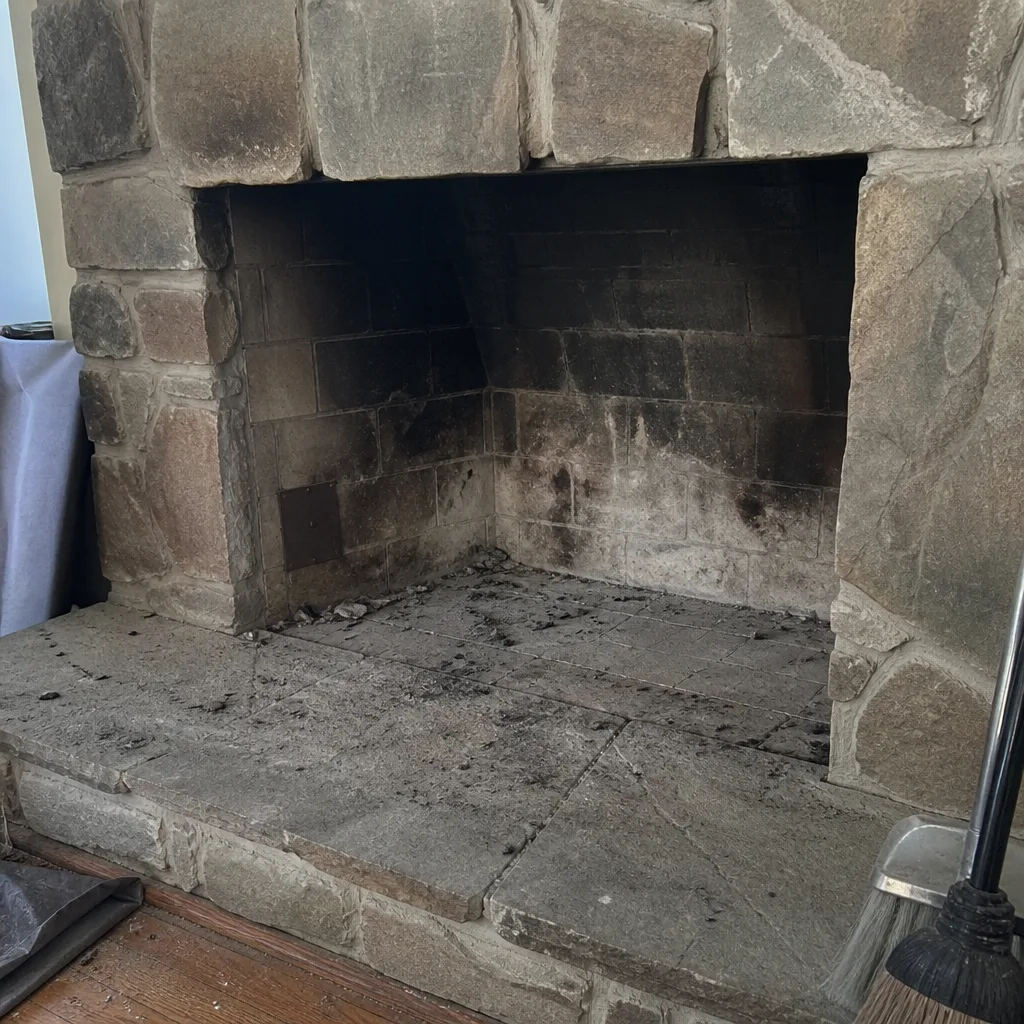 Before
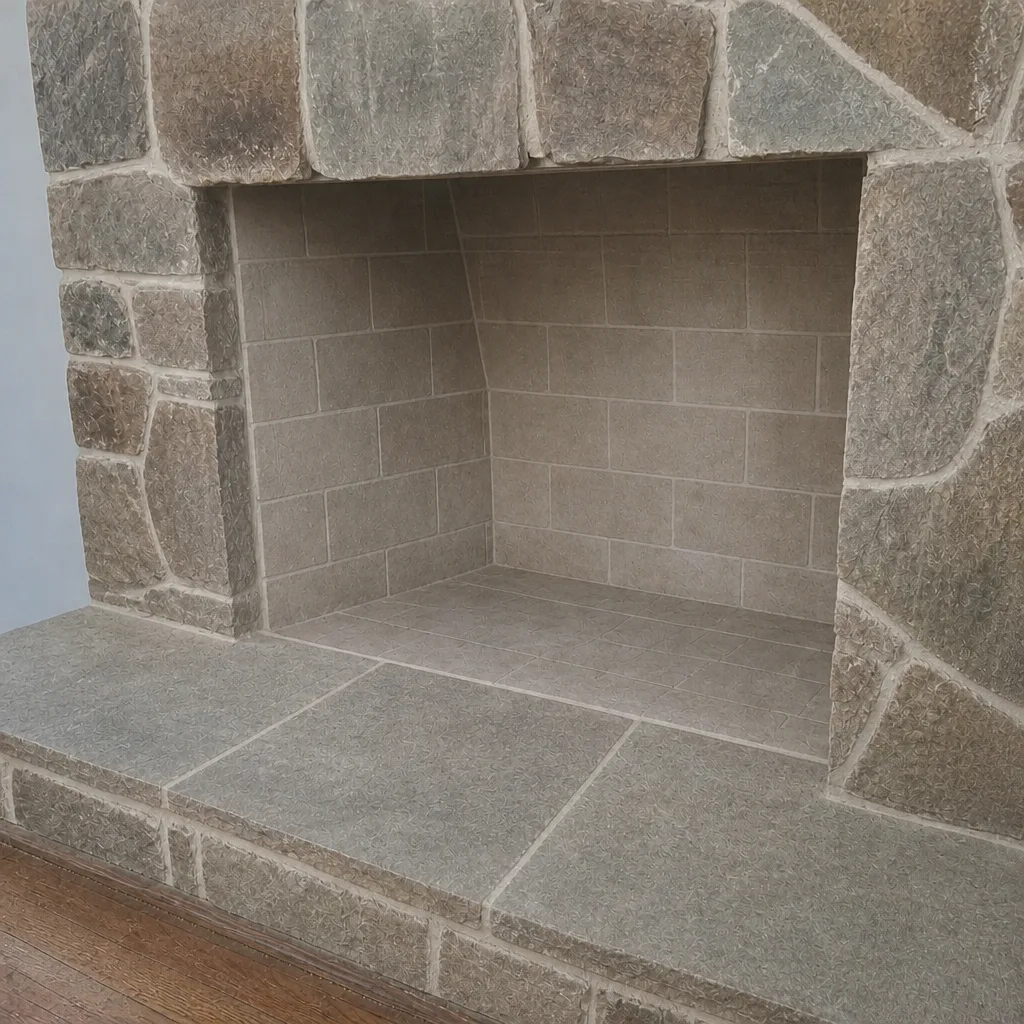 After
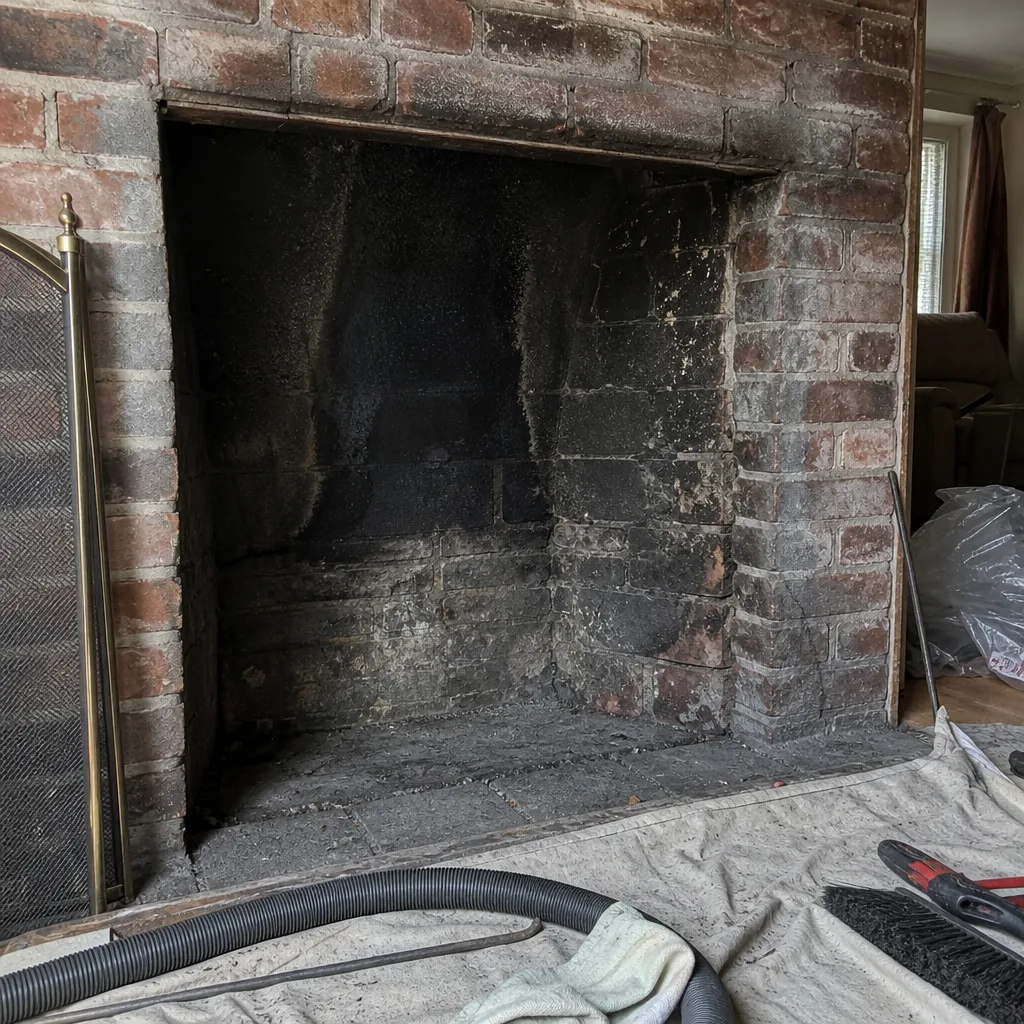 Before
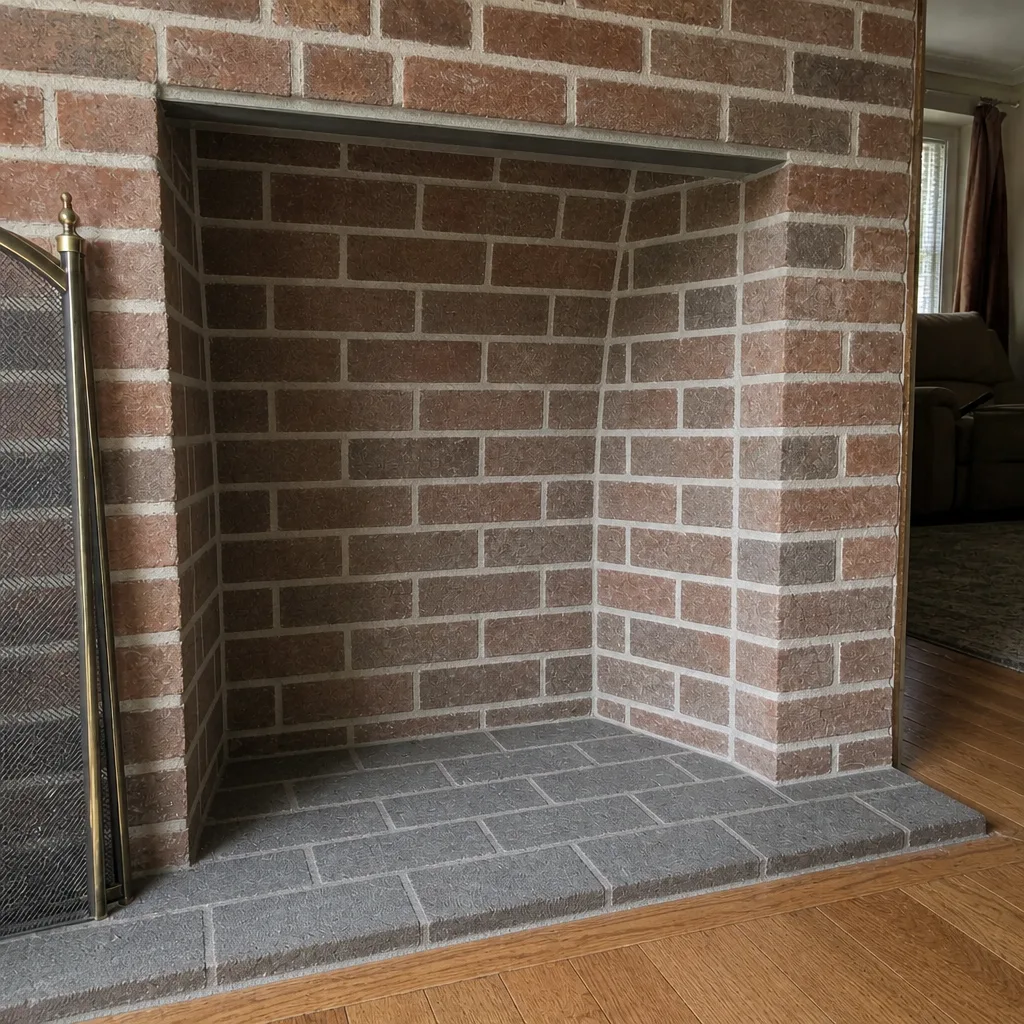 After
Common Mistakes to Avoid
- Comparing a sweep quote against an inspection-plus-sweep quote. These are different scopes. Ask each company which tier its price covers before you compare numbers. A $120 sweep and a $350 sweep are usually not the same product.
- Booking on price alone. The lowest quote is the one most likely to find “surprise” work once inside. A mid-range quote with a stated scope and a written report is easier to trust and easier to compare.
- Accepting a repair recommendation without evidence. If the technician can’t show you the cracked tile, the failed crown, or the glazed flue in a photo or on camera, ask why. Photos should come with the report.
- Skipping the inspection because the sweep “looked fine.” The sweep cleans the flue; the inspection evaluates its condition. You need both, and the report is what you keep for the next visit.
- Assuming gas means no maintenance. Gas inserts and gas log sets still need inspection. The flue can block or degrade, and carbon monoxide is the risk.
- Letting a sweep-only company hand off the repair. If a company finds a problem but can’t fix it, you’re now coordinating a second contractor with a second schedule and a second scope. A specialist who does inspection, sweep, and repair avoids that handoff.
- Putting off the yearly sweep because the fireplace isn’t used much. Frequency depends on the flue and the fuel, not just how often you light a fire. The inspection is the thing that tells you whether the flue is healthy.
When to Call a Professional
Some situations shouldn’t wait for the annual visit. Call a professional if you smell a strong creosote odor, notice smoke backing into the room, see water stains around the firebox or on the chimney exterior, or hear a crackling sound during a fire. Call if the damper won’t open or close smoothly, if the cap is missing or damaged, or if you’ve had a chimney fire – even a small one. Call before you buy a home with an unlined or unknown chimney. And call if it’s simply been a few years and you can’t remember the last sweep. Our technicians have up to 15 years of experience evaluating this kind of thing, and Norfolk Chimney Cleaning offers free estimates in Norfolk – call (844) 496-0079. We answer 24/7. Fast dispatch from 7am to 7pm, Sunday through Friday.
Frequently Asked Questions
A basic chimney sweep in Norfolk typically costs $150 to $300, and a sweep bundled with a Level 1 inspection runs $200 to $400. The written estimate sets the final price, and the price depends on flue height, liner type, and how much creosote has built up. Call (844) 496-0079 for an exact quote – estimates are free.
You need a liner if the flue is damaged, unlined, or no longer suited to the fuel you burn – not as a routine upgrade. The way to know is a Level 2 video inspection that lets you see the flue interior for yourself. If the existing liner is sound, the report should say so, and no liner work is needed. If it’s failed, a HeatShield or DuraFlex system can often restore it without demolition. Call (844) 496-0079 for an exact quote – estimates are free.
Most wood-burning chimneys need a sweep and inspection once a year, and more often with heavy use or a flue that builds creosote quickly. The right interval depends on your fuel type, your liner, and what the inspection finds. Start with an annual sweep plus Level 1 inspection and let the report adjust the schedule. Call (844) 496-0079 for an exact quote – estimates are free.
Creosote builds up inside the flue and can ignite, and a chimney fire can damage the liner or masonry in ways that cost several times a decade of sweeps to repair. A blocked or degraded flue can also vent carbon monoxide into the home. Skipping a sweep doesn’t cause a problem on a schedule – it just removes the check that would catch one. Call (844) 496-0079 for an exact quote – estimates are free.
Because the work isn’t the same across jobs. Quotes vary by service tier (a basic sweep is not a sweep plus a Level 2 video inspection), by flue height and roof access, by liner type, and by creosote stage at the time of service. Ask what tier each quote covers before you compare the numbers. Call (844) 496-0079 for an exact quote – estimates are free.
Not always, but it’s usually a loss leader – the company counts on recommending repairs once inside. That’s not automatically dishonest, but it means the final invoice can exceed the quote. The fix is simple: ask for the scope in writing, ask which inspection tier is included, and ask for photo evidence before approving any repair. Call (844) 496-0079 for an exact quote – estimates are free.
We work with an established roster of professional-grade brands, including HeatShield and DuraFlex liner systems, plus Famco and Copperfield products. Using recognized materials means a repair is built to last, not patched. If a liner restoration is recommended, the estimate names the system and the scope. Call (844) 496-0079 for an exact quote – estimates are free.
The Bottom Line
Chimney cleaning in Norfolk costs $150 to $300 for a basic sweep, $200 to $400 for a sweep plus Level 1 inspection, and $250 to $650 for a Level 2 video inspection with or without a sweep. The price varies for real reasons – flue height, liner type, fuel, and creosote stage – so compare quotes by scope, not by the number on top. Ask for a written report, ask for photo evidence before approving any repair, and remember that annual maintenance at roughly $250 to $450 a year is far cheaper than a single deferred repair. A clean chimney isn’t cosmetic. It’s a safety standard. Our technicians have up to 15 years of experience, and we inspect before we recommend. To book a sweep or inspection in Norfolk, call Norfolk Chimney Cleaning at (844) 496-0079 for a free estimate. We answer 24/7. Fast dispatch from 7am to 7pm, Sunday through Friday.
Written by the team at Norfolk Chimney Cleaning.