
Last updated November 16, 2026
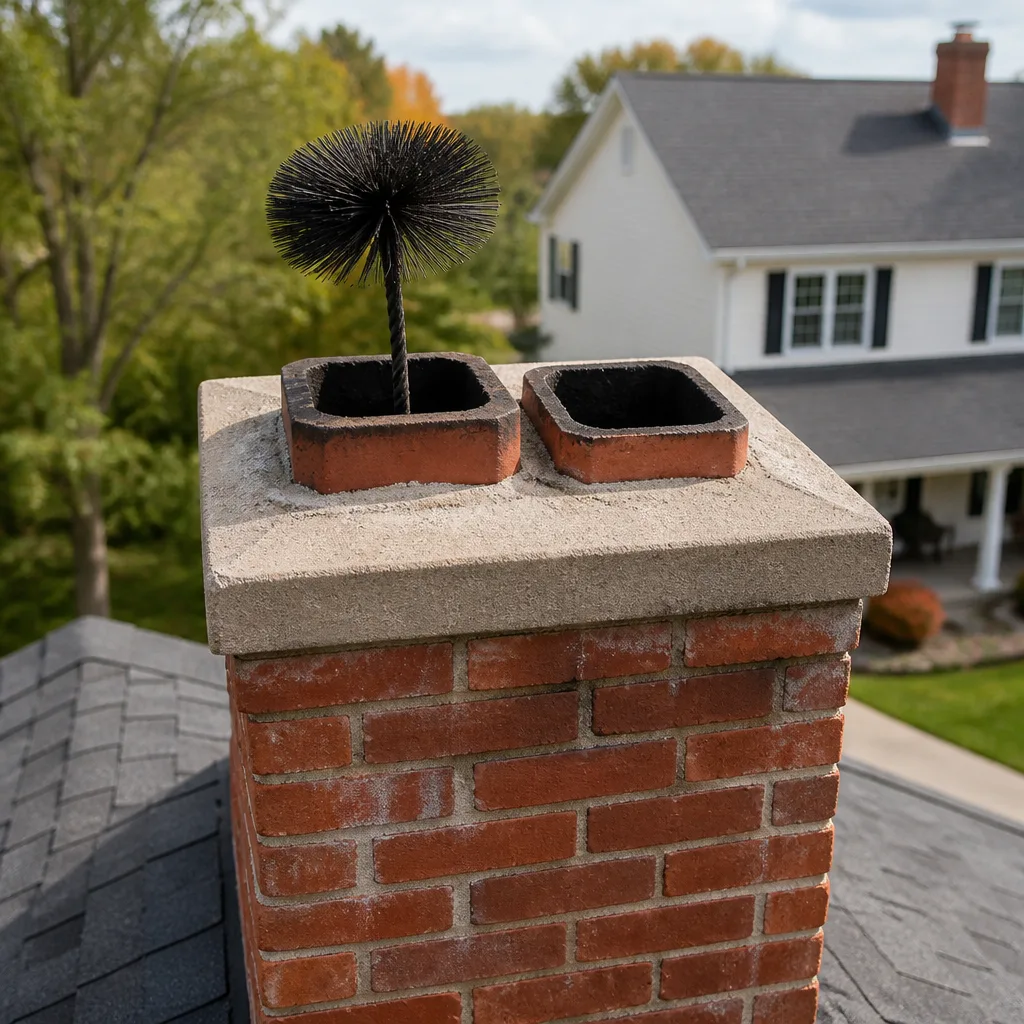 Sweep & inspection
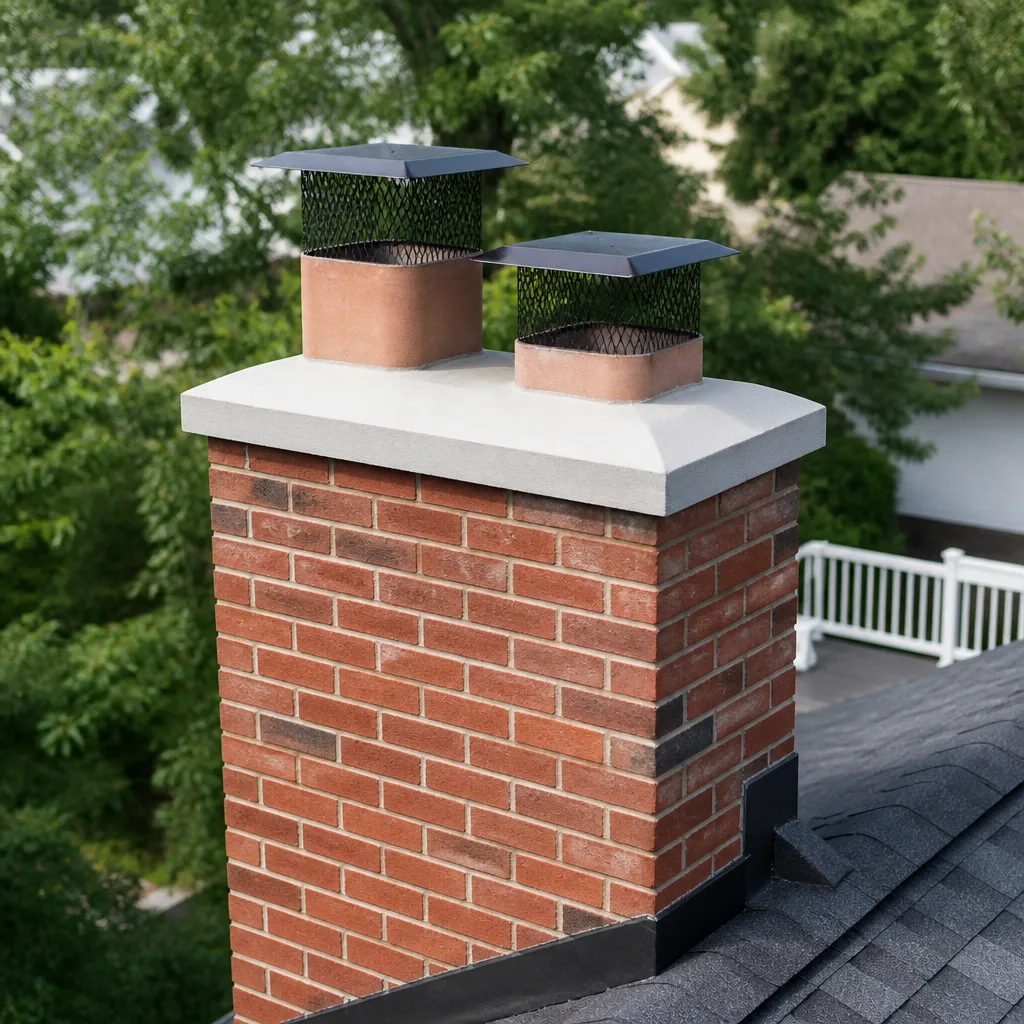 Caps & crowns
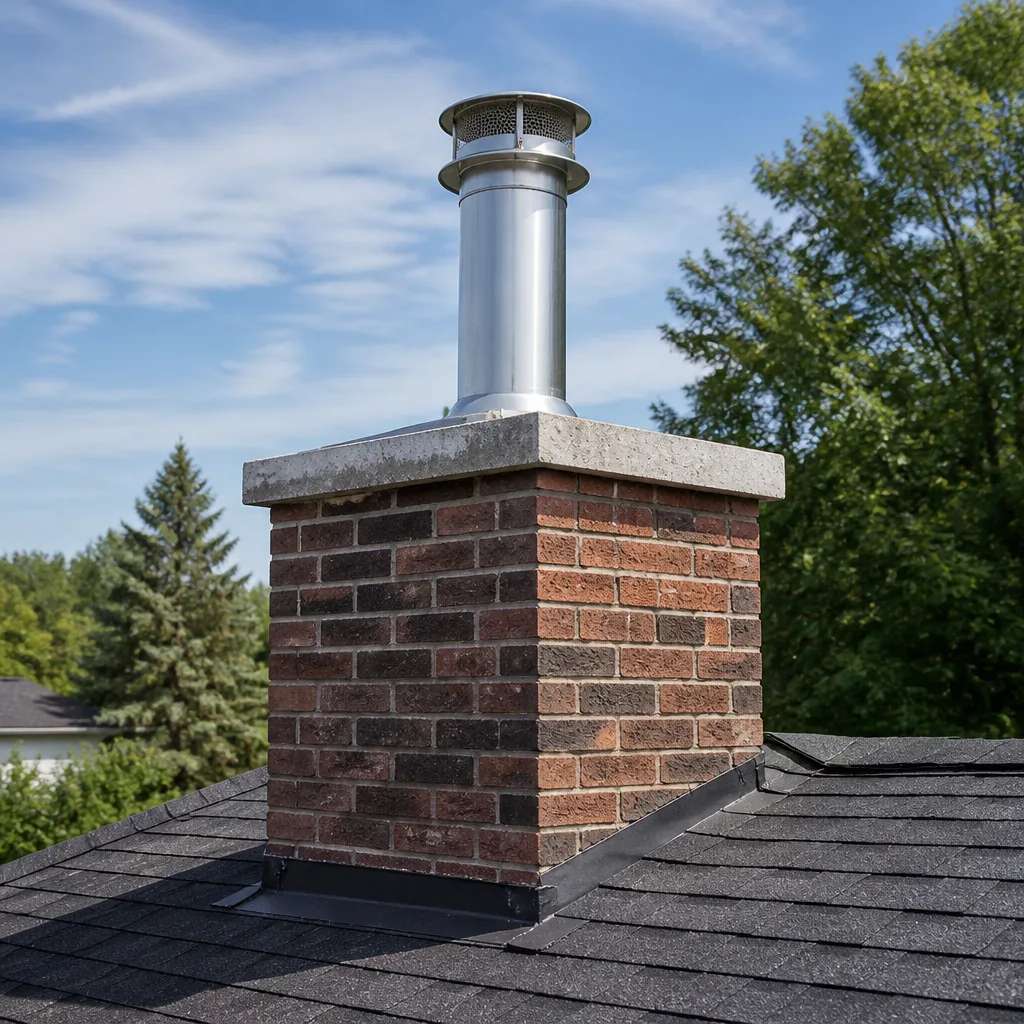 Flue relining
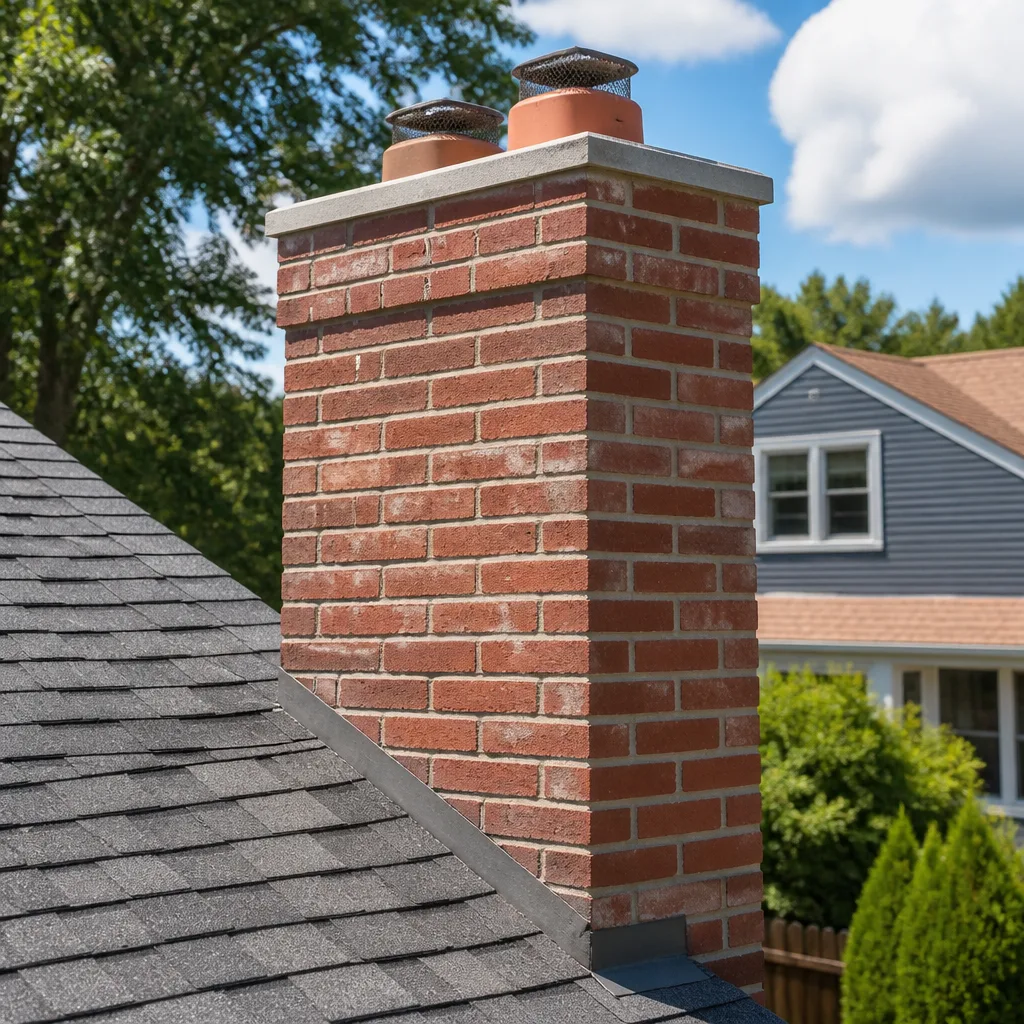 Masonry repair
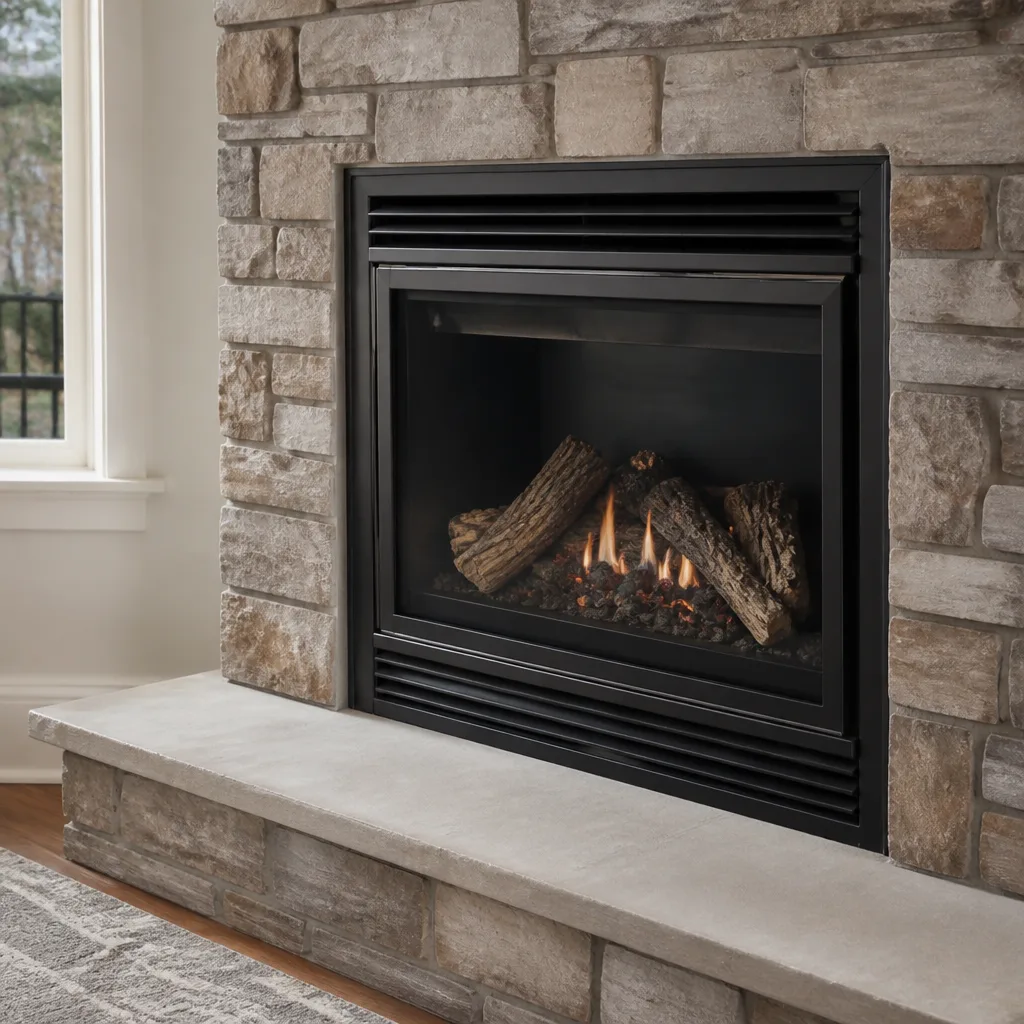 Gas fireplace service
Level 1 sweep and inspection to the NFPA 211 annual standard - flue, crown, cap, and flashing checked and photographed
Chimney sweep logs do not sweep chimneys. They loosen some creosote - which then falls where a brush and vacuum still have to collect it.
Chimney Cleaning Warning Signs: A Norfolk Homeowner’s Reference Guide
Most people assume a chimney problem announces itself with flames or a house full of smoke. In practice, the dangerous ones are quiet. A strong smoke smell in your living room on a windy day is a draft problem. A persistent smoke smell when the fireplace isn’t in use is something else entirely, and it deserves a very different response. Treating those two the same way is both wasteful and dangerous. This guide lays out a triage framework for Norfolk homeowners: which signals mean stop using the fireplace now, which mean pick up the phone and book a chimney sweep, and which can wait for a scheduled appointment without anyone losing sleep.
Quick Answer
Stop using your fireplace immediately if you smell smoke or gas when it’s not burning, see cracked or missing firebox tiles, notice creosote that looks like glazed tar or puffy soot, or find loose mortar or white staining on the chimney’s exterior. Everything else – slow-drafting fires, light soot above the opening, a cap that’s rattling – can wait for a scheduled inspection. The dividing line is whether the symptom could point to a blocked or breached flue, and that’s the category you never gamble with in Norfolk.
Styles & brands we work with
- Sweep & inspection
- Caps & crowns
- Flue relining
- Masonry repair
- Gas fireplace service
Table of Contents
- Smell: The Signals You Can’t Ignore
- Smoke Behavior: Back-Puffing vs. Slow-Clearing vs. Staining
- Reading Creosote From Inside the Firebox
- Sound: What a Chimney Is Telling You
- Exterior Signs Norfolk Homeowners Walk Past
- Liner Breach vs. Cap or Crown: Two Very Different Problems
- The Triage Rule: Stop-Now vs. Book-Soon
- When Norfolk’s Weather Makes the Timing Matter
Smell: The Signals You Can’t Ignore
Smell is the single most useful warning sign a homeowner has, and also the most misread. The mistake people make is lumping every smoky odor together. They aren’t the same thing, and they don’t point to the same cause.
If your living room smells like smoke only while a fire is burning, or right after a windy gust, that’s a draft or pressure problem. The chimney isn’t pulling hard enough, or a flue is undersized for the fireplace, or a nearby structure is causing downdraft. Annoying, fixable, and it doesn’t require panic. Close the damper when the fire is out and book an inspection.
If the house smells like smoke when the fireplace has been cold for hours or days, that’s a different animal entirely. Creosote and soot lining the flue off-gas, and the smell migrates into rooms through the firebox. The smell alone isn’t the danger – what the smell implies is. A flue that’s coated enough to smell has buildup you can’t see, and buildup is what fuels chimney fires.
Two other smells matter just as much:
- A sharp, bitter, chemical odor when the fire is burning. This can indicate combustion gases backing into the room instead of going up the flue. Carbon monoxide has no smell of its own, but it very often travels with other combustion byproducts that do. Stop burning, open a window, and call us.
- A rotten-egg or sulfur smell with no fire lit. This is the gas appliance warning sign. If you have a gas insert, a gas log set, or a gas water heater venting nearby, that smell means a call to your gas utility now, not to us. That’s the one and only case on this list where we tell you to call someone else first.
In our experience, Norfolk homeowners with older masonry fireplaces in neighborhoods like Ghent, Larchmont, and West Ghent tend to notice the cold-firebox smell first, usually in the fall when the house closes up. That’s the right time to book. Waiting until December means the flue has had three more months to accumulate.
Smoke Behavior: Back-Puffing vs. Slow-Clearing vs. Staining
The way smoke behaves says more than the smoke itself. Here are the three patterns worth knowing, and what each one tells us diagnostically.
Back-Puffing
Back-puffing is smoke rolling out of the firebox in puffs, in rhythm with the fire. The pattern is usually short puffs at the start of a burn, worsening as the fire grows. This is almost always a pressure or air-supply problem. The cause is commonly:
- A tight house with modern windows and weather-sealing, so there’s no makeup air for the fire.
- A chimney that’s too short for the fireplace opening below it – the ratio is off, and the flue can’t lift the smoke column.
- Negative pressure from a kitchen fan, bath fan, or furnace running at the same time.
Back-puffing is inconvenient rather than urgent, and it can usually be solved by adding combustion air or correcting the flue’s relationship to the opening. It’s a design issue, not a structural emergency.
Slow-Clearing Smoke
Slow-clearing smoke means the fire lights fine, but the smoke lingers in the firebox and drifts lazily instead of rushing up. Nine times out of ten, this points at buildup in the flue reducing the effective flue diameter. Creosote narrows the passage, and the chimney has to work harder and harder to pull the same volume of smoke. Slow-clearing fires are a signal to schedule a sweep before the buildup gets worse – winter is peak creosote season in Norfolk because the furnace, fireplace, and wood stove all run at once.
Smoke Staining Above the Firebox
This one is often invisible until you look for it. Smoke staining is a dark, sooty smudge on the brick or stone face above the firebox opening, sometimes as a vertical line or a halo. It’s evidence that smoke has been escaping into the room at some point, even if the fire looks fine now. It’s not always urgent, but it’s a useful clue to hand to a technician – it tells them which failure mode to check first.
Notice a pattern? These three behaviors don’t always need a call, but they always deserve a look. A Norfolk sweep with a camera can tell you in a few minutes which one you’re dealing with.
Reading Creosote From Inside the Firebox
This is the section most chimney guides skip, and it’s the one that gives you the most direct control. You can learn a lot from the inside of your own firebox with a flashlight and no climbing. You just need to know what the stages look like.
First-Degree Creosote
First-degree creosote looks like fine, dusty soot – a thin gray-black powder on the flue walls and the inside of the firebox. It’s the lightest stage, easy to brush off. First-degree buildup is normal after a season of burning and rarely a fire risk on its own.
Second-Degree Creosote
Second-degree creosote looks like puffy, flaky, or crusty deposits – think of the texture of dried coffee grounds or torn paper. It’s been pushed into the flue wall, bonded, and won’t brush off with a standard sweep. It requires a rotary sweep or chemical treatment. If you shine a flashlight up into the smoke chamber and see puff, you have second-degree creosote.
Third-Degree Creosote
Third-degree creosote is the dangerous stage. It looks like glazed tar – a hard, shiny, black or brown coating, sometimes with small bubbles or blisters. It’s the kind of buildup that fuels fast-moving chimney fires. It cannot be brushed off and usually requires professional chemical removal or liner replacement. If you see glazing, stop using the fireplace and book an inspection now.
A simple rule of thumb: dusty, safe. Puffy, book a sweep. Glazed, stop using the fireplace. Norfolk winters mean about four to five months of steady burn season, so most homes with fireplaces in use need a sweep at the end of that season, not the beginning.
One caution – don’t climb onto your roof to check the flue from above. A roof is a dangerous place to learn. The firebox, the ground, and a camera from a technician tell you everything you need.
Sound: What a Chimney Is Telling You
Chimneys are mostly silent. When they start making noise, the noise usually points to one of a handful of causes, and the type of noise matters.
- Clicking, ticking, or popping inside the flue. This is often metal expanding as it heats. In a metal liner, it’s usually harmless. In a masonry chimney, it can mean a tile lining is shifting. Worth a look, not an emergency.
- Deep, rhythmic rumbling or roaring while a fire is burning. This is the sound of a chimney fire. If you hear it, get everyone out, call 911, and don’t use the fireplace until it’s inspected.
- Rattling or flapping at the top of the chimney. Usually the cap or the top-sealing damper. Cap hardware work is generally quick and doesn’t require a repair, but it should be checked before the cap comes loose entirely.
- Whistling or howling with a fire going. Air leaking past a gap somewhere in the system, either at the firebox doors, the damper, or the crown. Not usually structural, but it’s a sign to have the system inspected.
- A slow, persistent drip sound with no rain outside. This is condensation or a leak in the crown or flashing. Move this up your list.
If you’re hearing something you can’t identify, don’t guess. Book an inspection. A technician with up to 15 years of experience hears these sounds every week and can tell a normal expansion tick from a chimney fire in seconds.
Exterior Signs Norfolk Homeowners Walk Past
Most chimney damage starts on the outside and works its way in. The homeowner’s job is not to fix it, but to notice it. Here’s what to look for from the ground with a pair of binoculars, no ladder required.
Efflorescence
Efflorescence is a white, chalky, salt-like staining on the outside of the brick. It looks like someone dusted the chimney with powdered sugar. It’s harmless in small amounts, but persistent heavy efflorescence means water is finding a path into the brick and pushing salts out as it dries. Water intrusion in a Norfolk chimney is what eventually leads to spalling and, worse, to interior damage you can’t see.
Spalling Brick
Spalling is when the face of a brick flakes, peels, or falls away, leaving a pitted, crumbly surface. Spalled brick has lost its protective outer layer and will absorb water faster than intact brick. It’s a structural warning sign, not cosmetic, and it usually means the chimney crown or flashing above it has been failing for a while.
Crown Cracking
The crown is the concrete cap on top of the chimney stack. Hairline cracks are normal with age, but any crack wider than a hair, or a crown that’s visibly pulling away from the flue, lets water in. Once water gets into the crown and the flue, freeze-thaw cycles in Norfolk winters widen the crack every year. That cycle is quiet, but it doesn’t stop.
Mortar Joints and Flashing
Look at the mortar lines between the bricks. If they’re eroded, receding, or sandy, the joints need repointing. Look at the metal flashing where the chimney meets the roof. Rusted flashing, missing sections, or a gap between the flashing and the chimney means water is getting under the roof.
Any of these exterior signs is a “book an inspection” signal, not a “call 911” one – unless combined with a strong interior smell, in which case treat the whole thing as urgent. From first inspection to final repair, we handle both ends of that picture with the same visit.
Liner Breach vs. Cap or Crown: Two Very Different Problems
The single most common mistake homeowners make when diagnosing a chimney problem is to lump a liner breach and a crown problem together. They’re related, but they have different urgency, different repair scope, and very different cost pictures. Getting this right matters.
Signs That Point to a Liner Breach
- Smoke smell in the house when no fire is burning
- Visible cracking, gaps, or missing tiles inside the flue (only visible with a camera – white staining inside the firebox is a clue)
- A sudden change in draft that doesn’t resolve after sweeping
- Soot or creosote stains appearing on the exterior of the chimney or on interior walls near the chimney
- Any carbon monoxide detector activation with a fire burning or shortly after
A breached liner is the serious one. It can let carbon monoxide into the home’s air, and it can let heat reach combustible framing around the chimney. This is the category that gets treated as urgent, and the fix is a liner system – typically a stainless product like DuraFlex or Olympia Chimney – installed by a chimney specialist. The good news: modern liner systems can restore a damaged flue without tearing anything out.
Signs That Point to a Cap or Crown Issue
- Water dripping inside the firebox when there’s no fire
- Rusty or missing chimney cap
- Visible crown cracks
- Efflorescence on the exterior brick
- Birds, squirrels, or debris inside the flue
These are important to fix but rarely emergencies. A cap or crown can usually be repaired with a proper crown coating or a new cap, often in a single visit. Left alone for years, they’ll graduate to a liner problem, so the fix is worth scheduling on your own timetable rather than waiting for it to escalate.
When we walk a Norfolk roof, the question we’re asking isn’t “what can we sell?” but “which of these is the actual problem?” A crown crack is not a liner replacement. A cap that’s fine is not a cap that needs replacing. That distinction is why we inspect before we recommend anything.
The Triage Rule: Stop-Now vs. Book-Soon
Here’s the framework in one place. Print it, tape it inside a cabinet, or just remember it.
Stop Using the Fireplace Now
- Smoke or gas smell in the house when no fire has been burning for hours or days
- Any carbon monoxide detector activation with a fire burning or shortly after
- Glazed, shiny, tarlike creosote visible in the firebox or smoke chamber
- Cracked, broken, or missing firebox tiles
- Deep roaring or rumbling sound while a fire is burning (evacuate, call 911, then call us)
- Soot staining on the wall above the firebox that wasn’t there before
Book an Appointment Soon
- Persistent slow-clearing smoke, or smoke that drafts out of the firebox on startup
- Second-degree (puffy or flaky) creosote inside the firebox
- Cold-firebox smell that fades when windows are open
- Efflorescence or spalling on the exterior brick
- Visible crown cracks or rusted flashing
- Cap or damper that’s rattling, missing, or stuck
Can Wait for the Next Scheduled Visit
- Faint smoky smell only while the fire is actively burning
- A small amount of first-degree (dusty) soot inside the firebox
- Ash buildup in the firebox that’s cleanable by hand
- Hairline crown cracks with no visible water intrusion
A few minutes on the phone with us usually tells you which column you’re in. When in doubt, err toward the more cautious column. “We’ll look at it next visit” is fine advice for a cosmetically cracked crown. It’s not fine advice for a firebox with glazed creosote – not in Norfolk, not anywhere.
When Norfolk’s Weather Makes the Timing Matter
Chimney problems don’t get better on their own, and the Norfolk climate has a particular way of making them worse if you wait for a convenient moment. Fall here is a shoulder season – one week it’s 75 and humid, the next it’s cool enough to light the first fire of the year, and the transition happens fast. That first fire of the year is when most homeowners discover a problem they could have caught a month earlier.
The pattern we see: Norfolk houses close up in October and November, the first fire goes in, and suddenly the smell or the draft problem that was subtle in August is obvious. By then, the schedule is filling up. Booking a sweep and inspection in early fall, before the first burn, is the calmest way to find out what condition the flue is in. It’s also the cheapest way, since a small problem caught in September is a sweep, while the same problem discovered in January after a month of use is often a repair.
Norfolk’s freeze-thaw cycle matters too. Any water that gets into the crown, the flashing, or spalled brick in the fall will freeze and expand in the coldest weeks of January and February. A crack that was cosmetic in October can be a real chimney repair job by March. Fixing the exterior before the first hard freeze is a lot less work than fixing it afterward. Our technicians have up to 15 years of experience with exactly that sequence in this climate, and the pattern is consistent year to year.
Common Mistakes to Avoid
- Treating “smells like smoke” as one problem. A smoky smell while burning and a smoky smell with a cold firebox are different diagnoses. One is a draft issue, the other is a potential safety issue. Calling them the same thing either wastes money or misses the danger.
- Burning green or unseasoned wood to “clean out” the flue. Green wood produces more creosote, not less. Norfolk’s humidity makes it easy to misjudge firewood dryness, and the result is faster buildup than the homeowner expected.
- Assuming a chimney cap is optional. A missing cap lets rain, animals, and nesting debris into the flue. It also can’t keep sparks out of a dry Norfolk lawn in late summer, which is a real concern given the area’s dry stretches.
- Climbing onto the roof to inspect the flue yourself. Roofs are dangerous, especially pitched ones with older shingles. What you can see from a firebox flashlight and the ground is enough to know whether to book a visit. A technician does the roof work.
- Trying to clean glazed creosote with a brush and a ladder. Third-degree creosote doesn’t come off with a brush, and it doesn’t come off with a homeowner’s ladder-and-poker kit. It needs a professional rotary tool or chemical treatment, and it needs someone who knows what they’re looking at.
- Ignoring efflorescence because “it’s just cosmetic.” A little is cosmetic. A persistent heavy band of white staining is water in the brick, and the source is usually higher up. Left alone, it becomes spalling, and spalling becomes a masonry repair.
- Skipping the sweep because the fire “looks fine.” A fire can look great while the flue holds enough creosote to burn hot. This is exactly the case that catches homeowners off guard. Appearance isn’t evidence – a camera inspection is.
See the difference
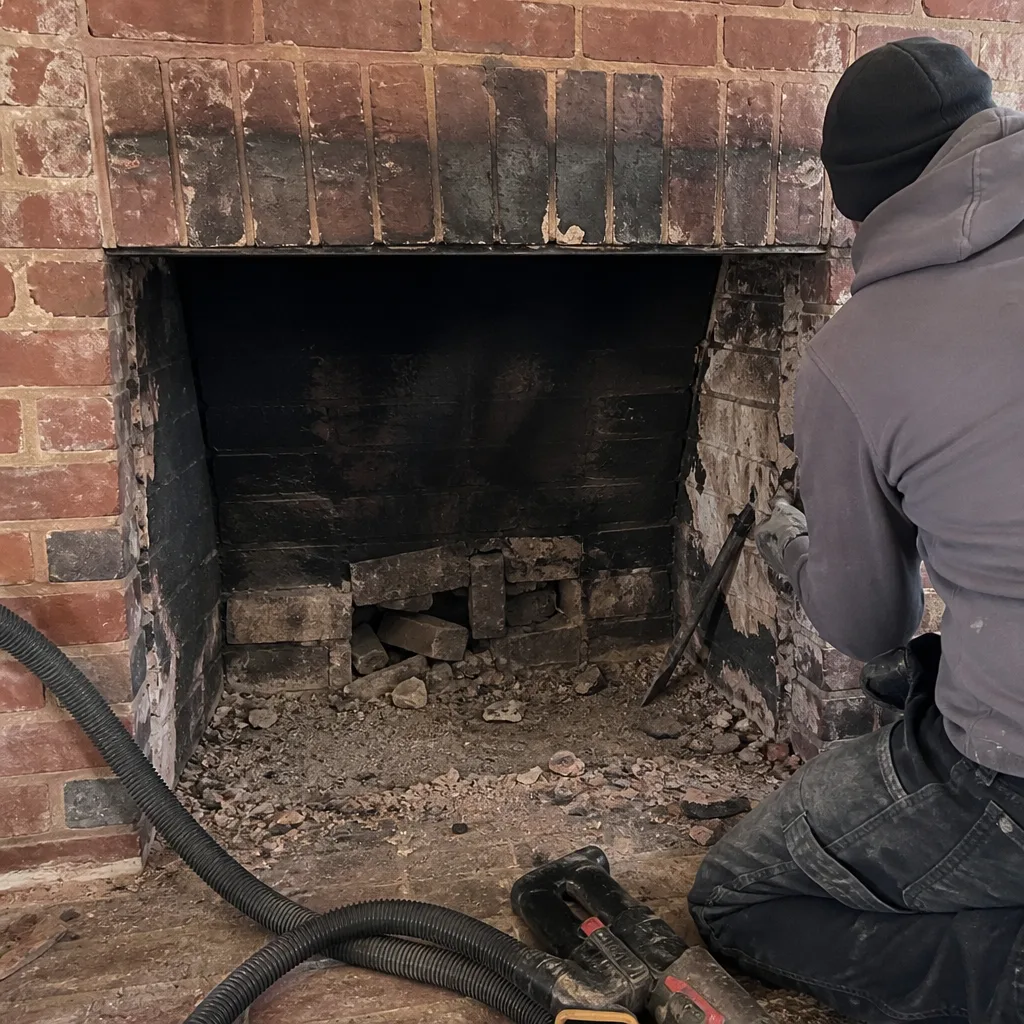 Before
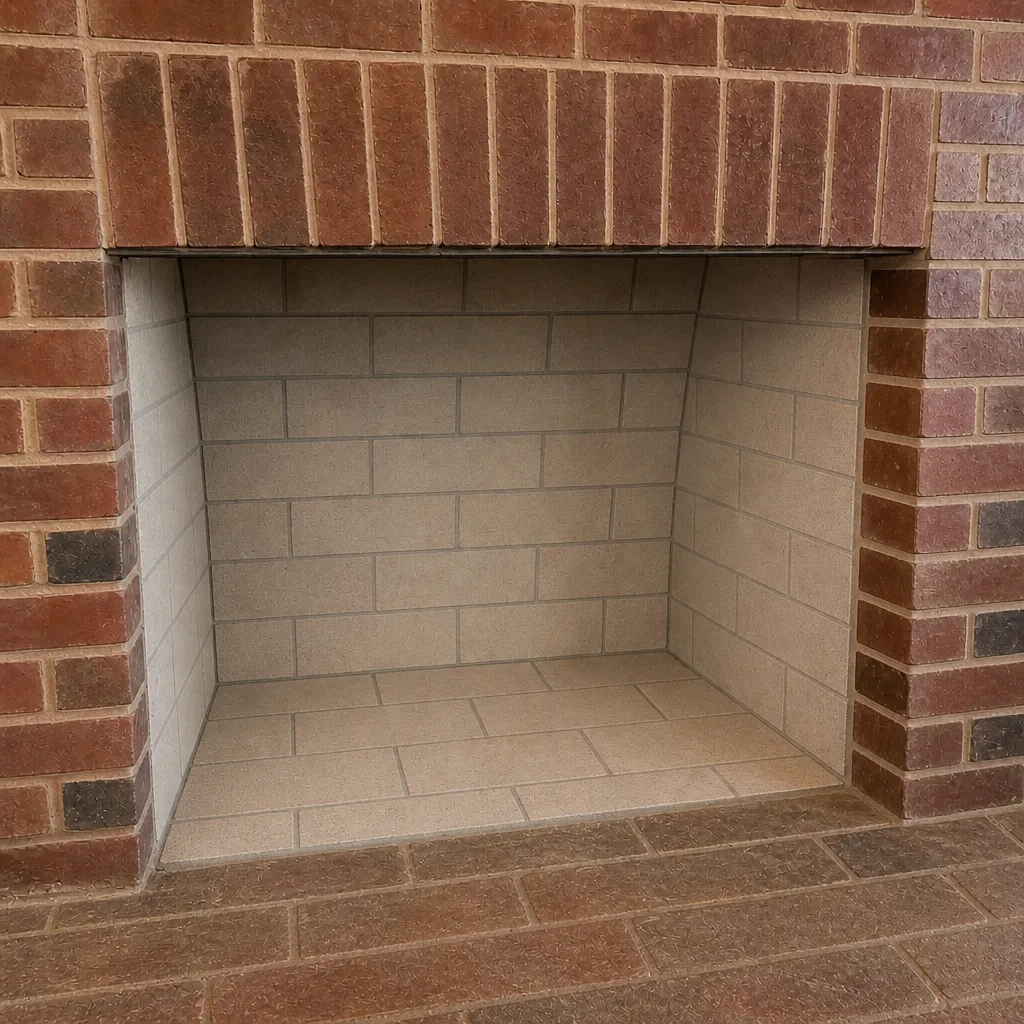 After
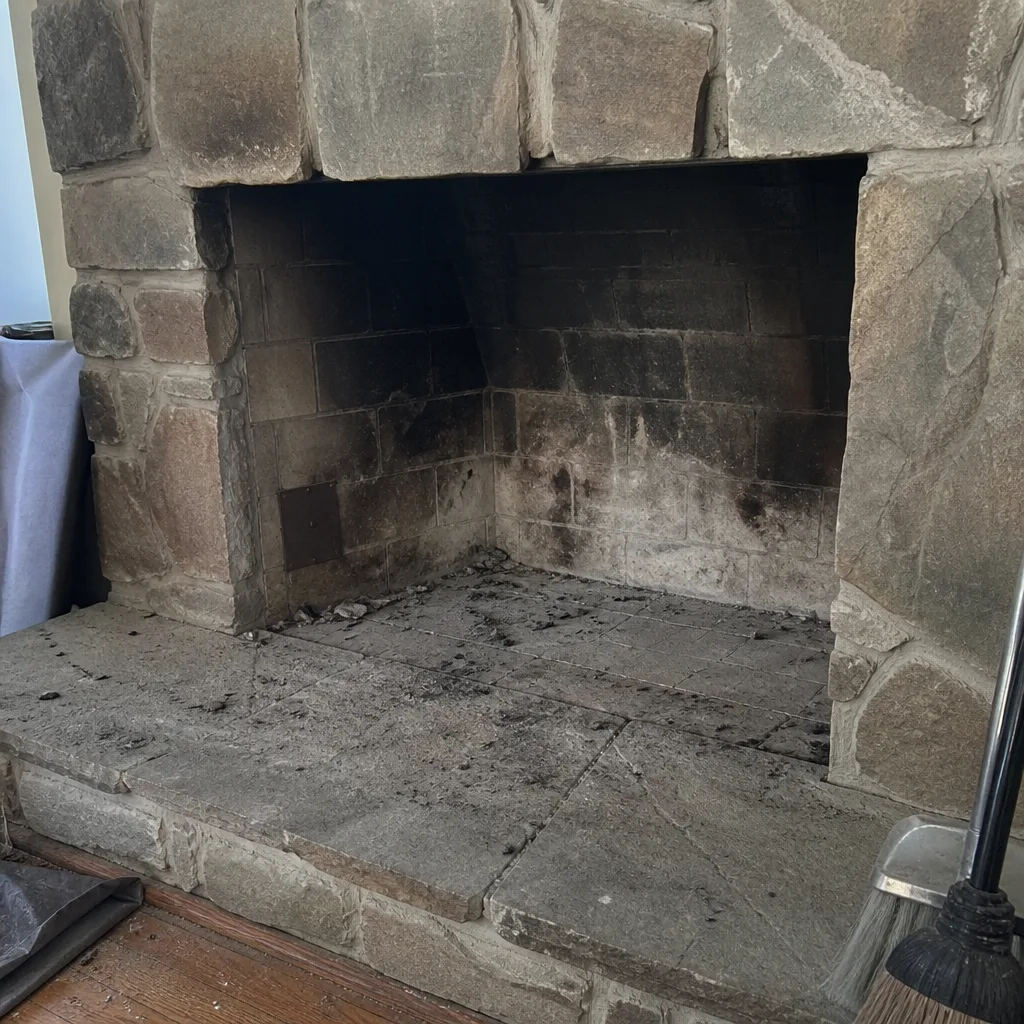 Before
 After
 Before
 After
When to Call a Professional
Some jobs are worth doing yourself: sweeping ash from the firebox, checking the damper, clearing debris from the firebox floor. Others aren’t. Call us when you’ve got any signal from the stop-now column, when a smell or draft persists past the burn, when you’ve got exterior damage you can see from the ground, or when it’s simply been a full burn season since the last sweep. A professional inspection takes the guesswork out of the triage. A Norfolk Chimney Cleaning visit includes a camera inspection and photo report so you can see exactly what we’re seeing, and the inspection is available on its own – no repair pushed alongside it. Our technicians have up to 15 years of experience, and our chimney repair work uses liner systems and materials like HeatShield and DuraFlex when a repair is genuinely warranted. Norfolk Chimney Cleaning offers free estimates in Norfolk – call (844) 496-0079. We answer 24/7. Fast dispatch from 7am to 7pm, Sunday through Friday.
Frequently Asked Questions
A wood-burning chimney in Norfolk should be swept once a year during active use, and definitely before the first fire of the season if it’s been twenty-four months or more since the last sweep. Homes that burn frequently or burn unseasoned wood may need a mid-season check as well. Call (844) 496-0079 to schedule a sweep and we’ll tell you honestly whether you’re due.
Yes. Slow, small chimney fires can burn inside a flue for a while without a dramatic sound or visible flame, and the signs – glazed creosote, warped dampers, cracked tiles, dark staining inside the flue – often only show up on a camera inspection. That’s exactly why we don’t rely on visible symptoms alone. If you suspect one, book an inspection before the next burn.
First-degree creosote is dusty soot that brushes off; third-degree creosote is glazed, tar-like, and requires professional removal or liner replacement. Second-degree is the puffy or flaky middle stage that also needs a professional sweep. If you see glazing, treat it as a stop-now signal, not a wait-and-see. Call (844) 496-0079 and we’ll walk you through what you’re seeing.
It does when the crown, flashing, or brick are already compromised. Water entering the chimney is what drives efflorescence, spalling, and interior rust of the damper and cap. A healthy chimney sheds rain fine; a compromised one gets worse every season. If you’re seeing white staining or crumbling brick, an inspection is worth the call.
No. Ground-visible signs like efflorescence, spalling, crown cracks, and missing caps are the exterior picture. Interior damage – a breached liner, third-degree creosote, cracked flue tiles – isn’t visible from the ground and often isn’t visible without a camera. That’s why we include a camera inspection and photo report with every sweep.
Yes. A breached liner or a blocked flue can let combustion gases that belong outside come back into the living space, and carbon monoxide has no smell or color of its own. That’s why any smoke smell with a cold firebox, or any carbon monoxide detector activation, should be treated as urgent rather than a scheduling question. Call (844) 496-0079. We answer 24/7. Fast dispatch from 7am to 7pm, Sunday through Friday.
The Bottom Line
The chimney warning signs worth knowing split into three buckets: stop burning now, book a sweep soon, and can wait for a scheduled visit. Smells with a cold firebox, glazed creosote, cracked firebox tiles, carbon monoxide alarms, and roaring sounds during a burn all belong in the first bucket. Puffing creosote, efflorescence, minor crown cracks, and slow-clearing smoke belong in the second. Dusty soot and small cosmetic issues belong in the third. The single most useful habit for a Norfolk homeowner is to look inside the firebox with a flashlight, watch the smoke behavior, and walk the exterior every fall before the first fire. That ten-minute check, once a year, tells you which bucket you’re in – and it’s the one piece of chimney safety no one else can do for you. For everything else, from first inspection to final repair, we’re one specialist and one call.
Written by the team at Norfolk Chimney Cleaning.