
Last updated November 16, 2026
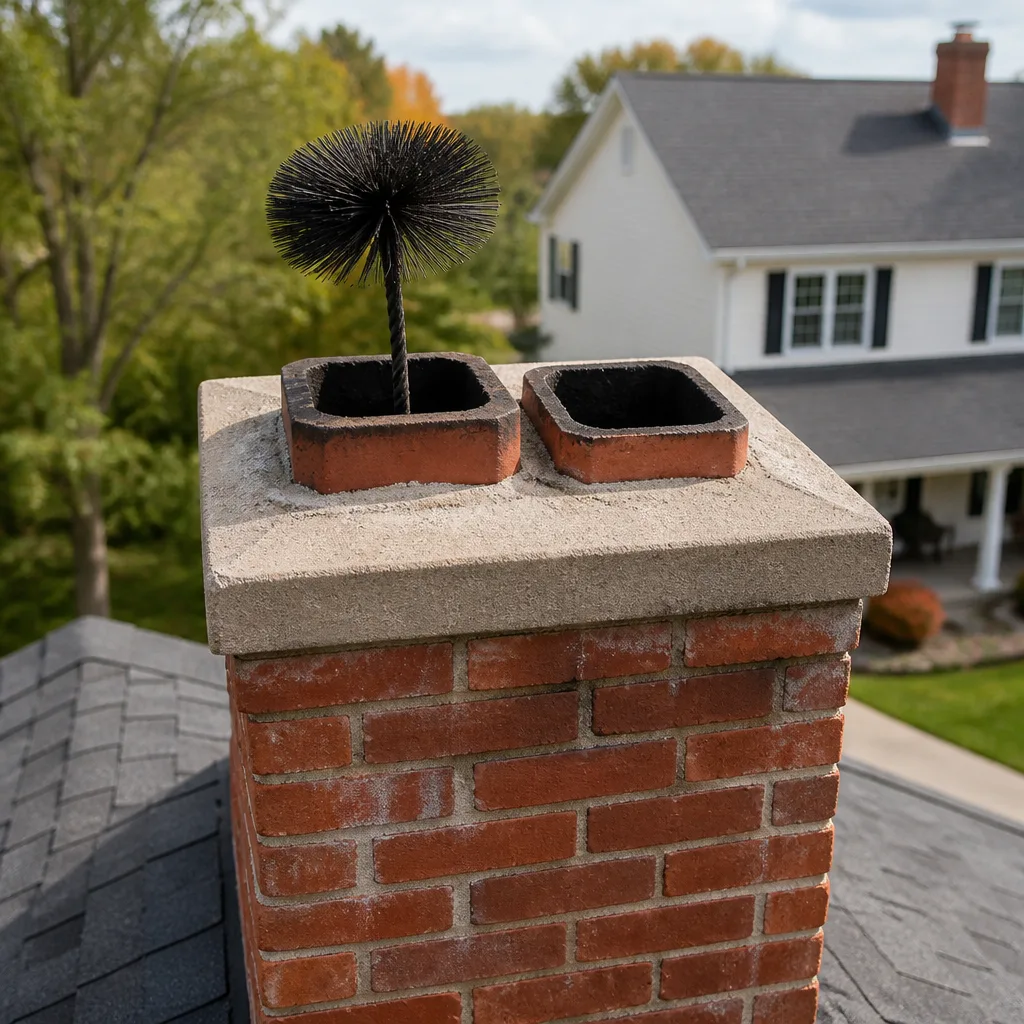 Sweep & inspection
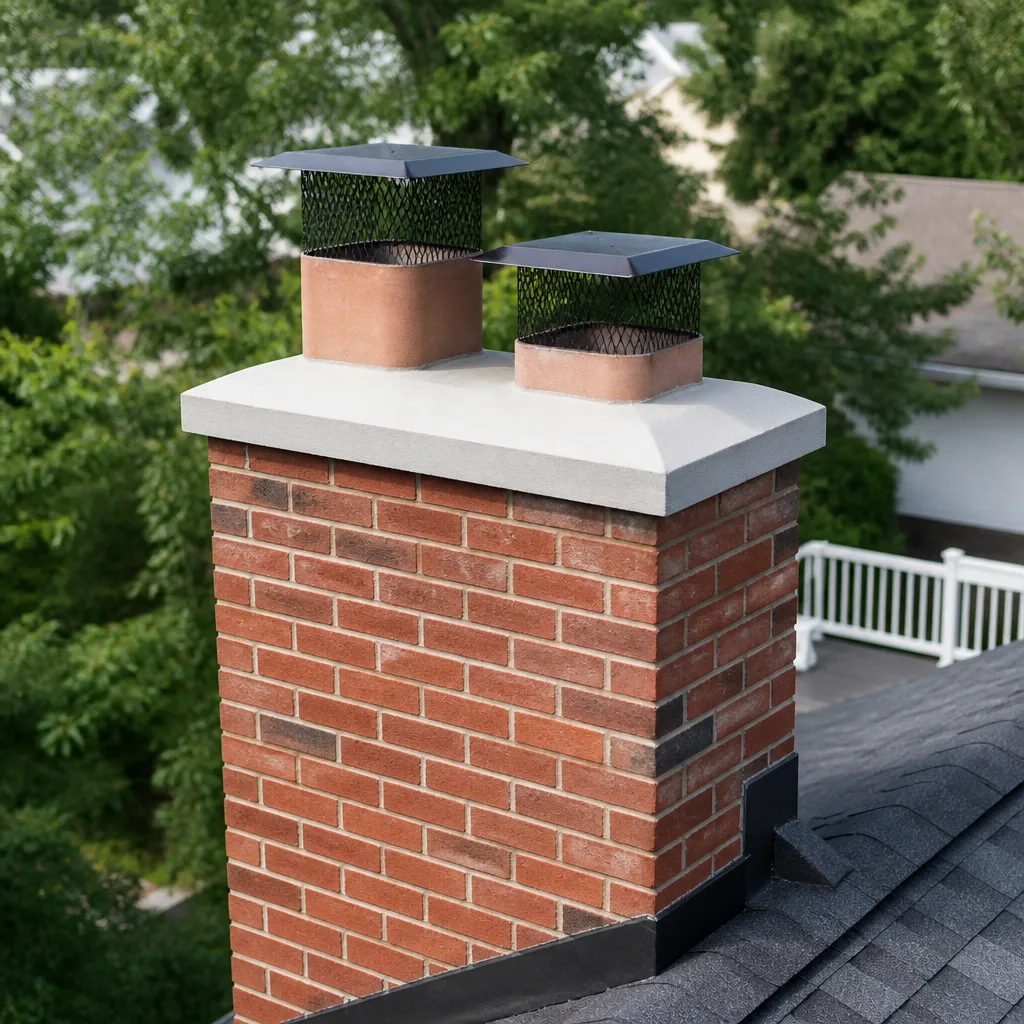 Caps & crowns
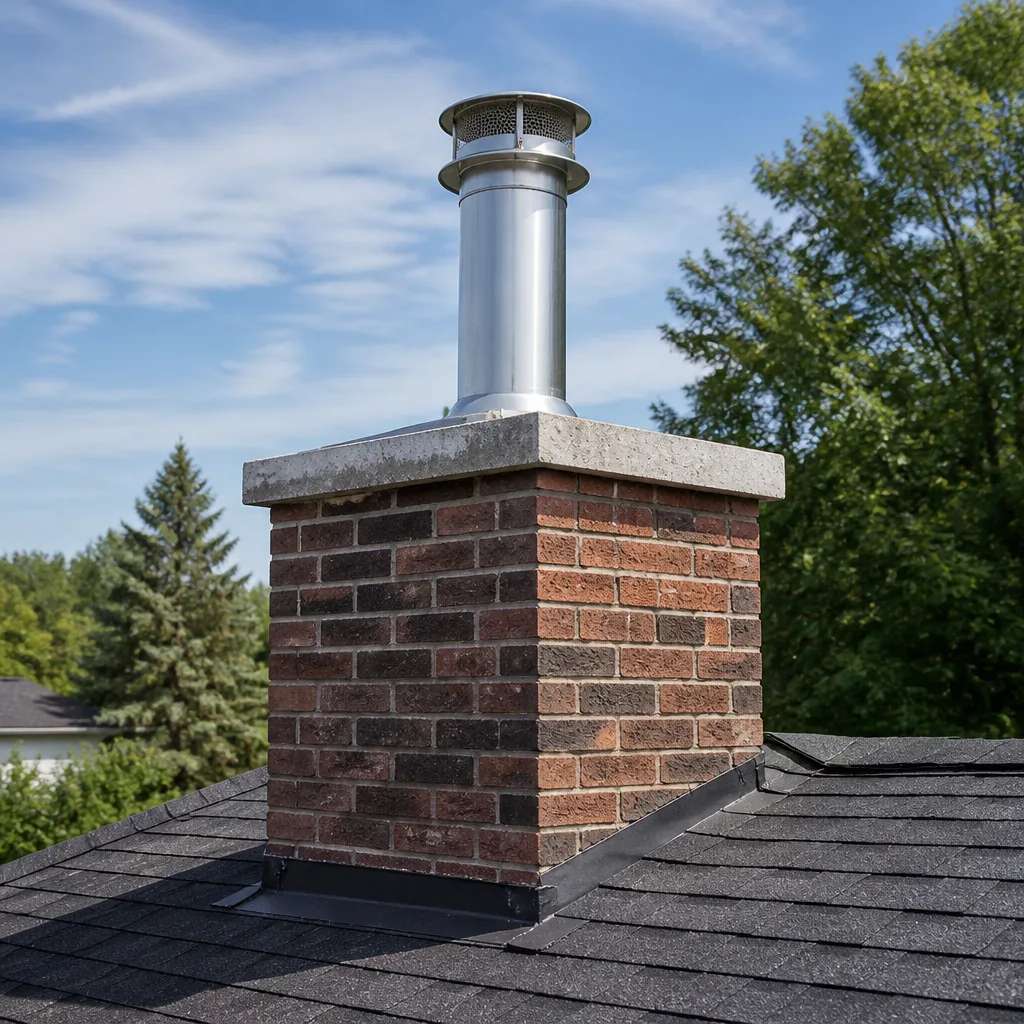 Flue relining
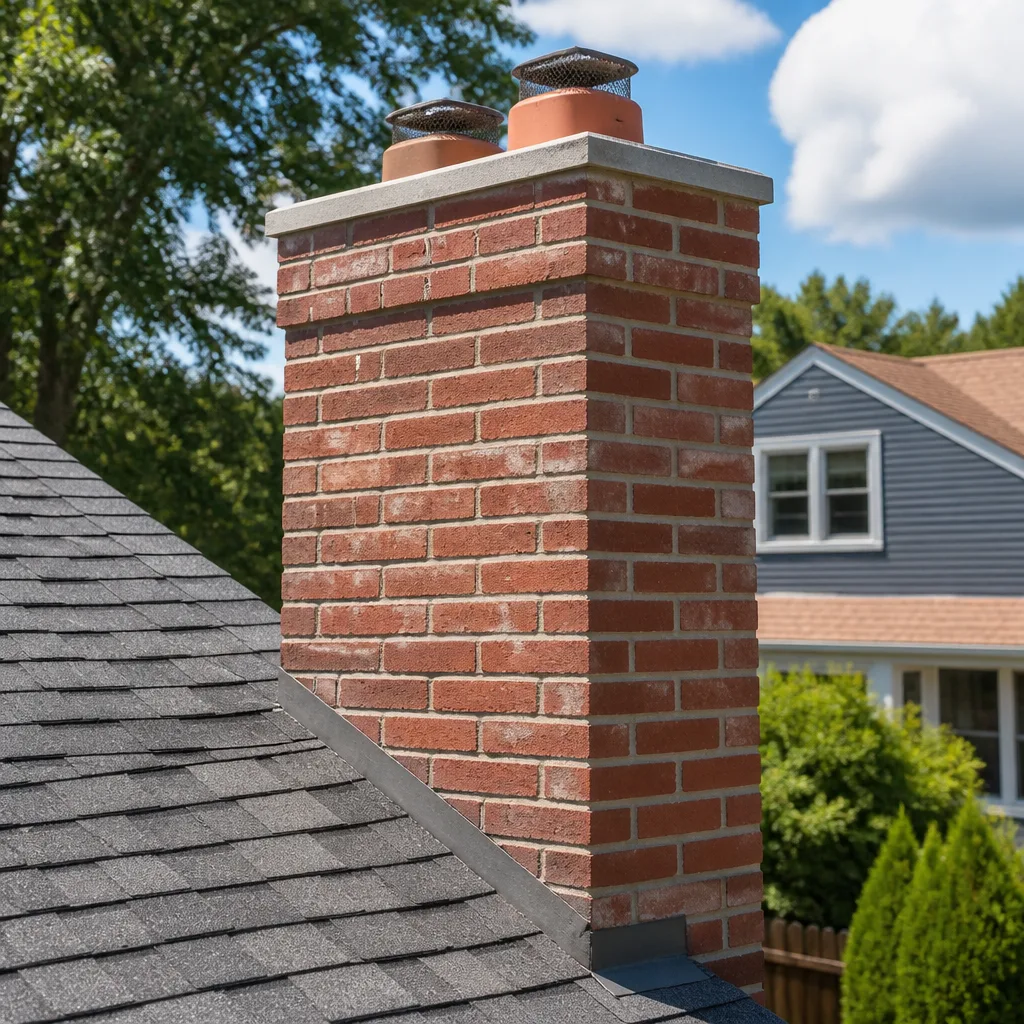 Masonry repair
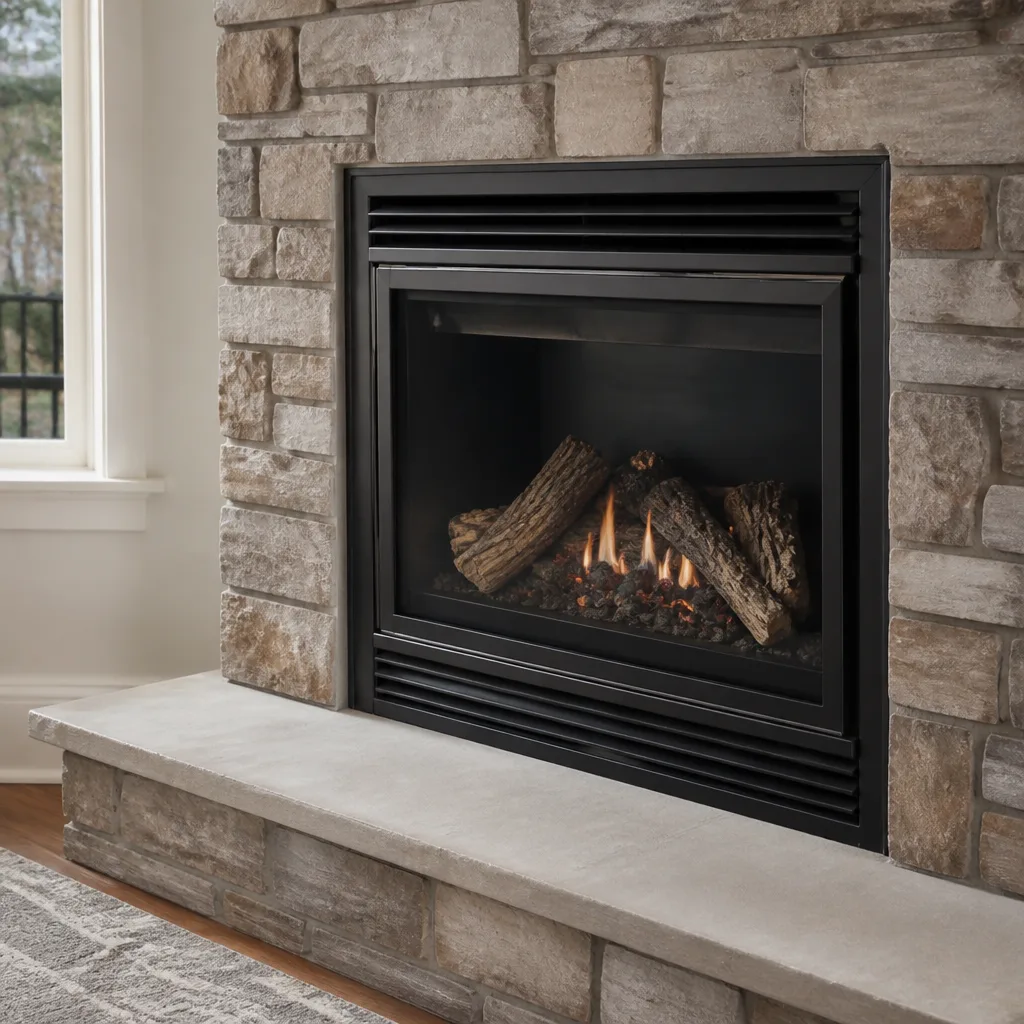 Gas fireplace service
Level 1 sweep and inspection to the NFPA 211 annual standard - flue, crown, cap, and flashing checked and photographed
Chimney sweep logs do not sweep chimneys. They loosen some creosote - which then falls where a brush and vacuum still have to collect it.
Choosing the Right Chimney Cleaning Brand: A Buyer’s Guide for Norfolk
Creosote sweeping logs are not a substitute for chimney cleaning – the manufacturer’s own label says so. But they’re sold in every hardware store in Norfolk alongside a full chimney care aisle, and homeowners routinely mistake product use for maintenance. The right question isn’t which brand is best; it’s which product category actually does what you need. This guide breaks down what each type of chimney product is genuinely for, which certifications and standards mean something, and how to tell industry-grade materials from the consumer versions sitting on the shelf. We’ll also cover liner brands, cap materials, and the standards that separate a real claim from a marketing one.
Quick Answer
No single brand is “the right one” – the correct chimney cleaning brand depends on the task. Mechanical sweeping removes creosote; chemical treatments and sweeping logs only soften or support that process and should never replace it. For repairs and relining, look for recognized industry-grade brands such as HeatShield, Gelco, Olympia Chimney, and Famco, and confirm the product carries relevant UL, ASTM, or CSIA-referenced performance standards. In Norfolk, match the product to the job, not to the loudest label on the box.
Styles & brands we work with
- Sweep & inspection
- Caps & crowns
- Flue relining
- Masonry repair
- Gas fireplace service
Table of Contents
- The Four Product Categories and What Each Really Does
- Consumer-Grade vs. Industry-Grade: Why the Formulations Differ
- How to Evaluate Product Claims: CSIA, UL, and ASTM
- Chimney Liner Brands and Materials in Professional Relining
- Chimney Cap Materials Compared for Norfolk Conditions
- Repair and Restoration Products: HeatShield, Gelco, and DuraFlex
- A Step-by-Step Way to Evaluate Any Chimney Product
- Common Mistakes to Avoid
The Four Product Categories and What Each Really Does
Walk into any hardware store in Norfolk and you’ll find chimney products grouped together as if they were interchangeable. They aren’t. There are four distinct categories, and confusing them is the most common reason homeowners buy the wrong thing.
1. Chemical chimney treatments
These are powders or sprays applied to the fire. Their legitimate role is narrow: they can help loosen or chemically modify heavy creosote so a follow-up mechanical sweep is more effective. They do not sweep the chimney. They do not remove creosote. Any claim implying otherwise is marketing, not chemistry.
2. Anti-creosote additives and sweeping logs
Logs and additives are designed to reduce new creosote formation or soften existing deposits. The manufacturer label on creosote sweeping logs tells you plainly that they are not a replacement for a professional sweep. That label is the most honest document in the entire product category.
3. Waterproofing sealants
These treat the exterior masonry of the chimney stack to slow water absorption. They’re a legitimate maintenance product for masonry chimneys, but they’re a moisture strategy, not a cleaning product, and they should follow – not replace – repair of cracked mortar and flashing.
4. Caps and dampers
A chimney cap keeps rain, animals, and debris out of the flue. A top-sealing damper improves closure when the fireplace is unused. Both are protective hardware, not cleaning aids, and both have real material choices that matter in Norfolk’s humid, variable weather.
For any of these categories, the underlying maintenance it supports is still a chimney sweep performed by a trained technician. Products support the routine; they don’t do the work.
Consumer-Grade vs. Industry-Grade: Why the Formulations Differ
The gap between a hardware-store chimney product and an industry-grade one is real, and it shows up in three places: concentration, application method, and documented performance.
Consumer products are formulated for a homeowner applying them to a residential fire with no special tools and no ability to inspect the result. That limits how aggressive the chemistry can be and how much surface it needs to cover. Industry-grade products are formulated for a trained technician who can clean the flue first, apply the product correctly, and inspect the outcome with a camera.
A few practical distinctions:
- Application control. Professional chemistry assumes the flue is clean and dry before it’s applied. Applied to a fouled flue, consumer versions often just sit on top of the creosote.
- Measurable results. In our experience, professional products come with instructions for verifying the result, not just applying it.
- Documentation. Industry-grade materials are tied to specific standards and test references. Consumer products are frequently not.
- Bonding surfaces. Repair products (like HeatShield or Gelco) require a properly prepared and dry substrate. Homeowner application often skips that preparation, and the repair fails.
The bottom line is not that consumer versions are useless. It’s that they’re designed to support, not replace, a professional sweep. If your goal is “keep the chimney safe for this season,” the sweep comes first, and the product comes second – if it comes at all.
How to Evaluate Product Claims: CSIA, UL, and ASTM
Chimney product packaging is full of badges and bold claims, and some of them mean almost nothing. The way to sort them is to know which certifications are issued by an independent body and which are issued by the company itself.
Certifications that carry weight
- UL (Underwriters Laboratories) listings. A UL-listed liner or cap has been independently tested to a recognized standard. The UL mark on a chimney product should be specific to the product and include a listing reference.
- ASTM standards. ASTM publishes the published standards many chimney materials are tested against. A manufacturer referencing a specific ASTM standard is making a testable claim.
- CSIA references. The Chimney Safety Institute of America publishes guidance on best practices, and professional products often reference it. A “CSIA certified” claim on a product itself is meaningless; CSIA certifies technicians, not products.
Claims that are self-issued
“Best in class,” “premium formulation,” “recommended by professionals,” and similar phrases have no independent backing. Neither does a badge a company puts on its own package. None of these are automatically false, but none are verifiable. Treat them as marketing language and look for the UL listing or ASTM reference behind them.
If a product’s packaging doesn’t name a standard, a listing body, or a test reference, treat the claim as unverified. That’s true whether you’re shopping in Norfolk or anywhere else.
Chimney Liner Brands and Materials in Professional Relining
When a chimney needs relining – because the flue is damaged, the wrong size, or not rated for the appliance – the material matters more than the brand name. Professional relining jobs almost always use stainless steel flexible liners, and the alloy grade is the first decision.
Recognized industry-grade liner brands include DuraFlex, Olympia Chimney, and Famco. What you’re actually buying in any of them is:
- Stainless steel alloy grade. The most common professional grades are 304, 316, and, for the most demanding conditions, higher-nickel alloys. The right grade depends on what you burn. Wood appliances generally call for a higher grade than gas.
- Insulation wrap. A liner is usually wrapped in insulation before it’s installed. Insulation improves draft, protects the liner, and matters for clearance to combustibles. It is not optional on most professional installations.
- Fittings and termination. The top plate, cap, and appliance connector are part of the system. Mixing brands at the fittings is often where a “liner” fails to perform.
- Documented listing. The liner should be UL-listed for the appliance type it’s serving, whether wood, gas, or oil.
CSIA’s published guidance consistently points to a liner sized and listed for the specific appliance. That’s the check that matters, and it’s what a professional inspector evaluates before recommending a reline at all. When the inspector sees a flue problem in Norfolk, the recommendation should be tied to what the camera shows, not to a default product choice.
Chimney Cap Materials Compared for Norfolk Conditions
A chimney cap is a small part with an outsized effect. In Norfolk’s humid, mixed-weather climate, the material choice is the difference between a cap that lasts and one that rusts away quickly.
- Galvanized steel. The least expensive option. Galvanized coatings break down in humid conditions, and once the coating fails, the steel rusts. Reasonable for a short-term fix; not what we’d specify for a permanent installation.
- Stainless steel. The most common professional-grade choice. Resistant to rust and corrosion, available in a range of grades, and typically carries the longest warranty terms of the three. If you’re choosing a cap once, this is the one to choose.
- Copper. The premium material. Naturally corrosion-resistant and develops a patina with age. Warranty terms are often the longest of any material, and the cost is correspondingly higher.
What the cap does matters as much as the material:
- Keeps rain out of the flue.
- Prevents animals and birds from nesting.
- Stops sparks from reaching the roof.
- Reduces downdraft when sized and installed correctly.
A cap that isn’t sized to the flue outlet doesn’t do any of these well. If you’re choosing a cap in Norfolk, ask what material and what warranty the installer is specifying, and confirm the cap is sized to the flue, not to the box.
Repair and Restoration Products: HeatShield, Gelco, and DuraFlex
This is where brand names matter most, because repair products go wrong silently. A chemical treatment that underperforms is a wasted purchase; a liner or restoration product that isn’t installed to its own specification can leave the flue worse than it was.
The professional-grade brands we specify include:
- HeatShield. A ceramic-based lining system used to restore damaged flues without full demolition. In the right application, it can restore a flue rather than replace it. It requires a properly cleaned and prepared flue and a trained installer.
- Gelco. A restoration product for masonry and mortar that’s part of a professional repair arc. Like HeatShield, the result depends on preparation and application, not just the product.
- DuraFlex and Olympia Chimney. Recognized relining systems used by professional installers for stainless flexible liner work. DuraFlex is a common specification for a full reline.
- Famco. A recognized liner brand in the professional market, specified alongside the others when a reline is called for.
What separates these from consumer-grade versions isn’t the marketing. It’s that each one is tied to a specific installation process and a documented result. A restoration product is only as good as the inspection and preparation that precede it. That’s why a professional inspection should come before any repair recommendation – it’s how you know whether the flue can be restored, or whether it needs a full reline. You can read more about our chimney repair approach if you’re weighing the options.
A Step-by-Step Way to Evaluate Any Chimney Product
Whether you’re comparing caps, liners, or chemical treatments, the same checklist applies. Use it before you commit to any product in Norfolk.
- Identify the category. Is this a cleaning support, a moisture treatment, protective hardware, or a repair material? Each has a different job, and mixing them up is the first mistake.
- Check what it claims to replace. If the product claims to replace mechanical cleaning, walk away. The manufacturer’s own label on sweeping logs says they don’t.
- Look for an independent standard. Find a UL listing, an ASTM reference, or an equivalent test standard. If there isn’t one, treat the claim as unverified.
- Confirm the material grade. For liners, that’s the stainless alloy grade and the insulation. For caps, that’s the material and the warranty terms.
- Ask what preparation is required. Repair products and chemical treatments both assume a clean, prepared surface. If the application plan doesn’t include that, the product will underperform.
- Confirm the installer’s qualifications. Industry-grade materials are only industry-grade when they’re installed to spec. Ask whether the technician has the training for that product.
- Get the recommendation in writing. A written estimate should name the product, the material, and the reason. “You need a liner” is not a specification.
That last step matters. We inspect before we recommend anything, and a written estimate should let you verify the reasoning yourself. The Norfolk Chimney Cleaning approach is to show you what we found with a camera before we talk about products at all.
Common Mistakes to Avoid
- Treating a sweeping log as a substitute for a sweep. The label on the log tells you it isn’t. Using one instead of a mechanical sweep leaves creosote in place, and creosote is still the leading cause of chimney fires. The log is a support, not a cleaning.
- Buying a liner by price alone. Two liners can look identical on the outside and differ substantially in alloy grade and insulation. The wrong grade for your appliance will fail early, and a reline is not a job you want to do twice.
- Applying waterproofing sealant over a damaged stack. Sealant slows water absorption, but it doesn’t repair cracked mortar or failed flashing. Sealing before repair can trap moisture. In Norfolk’s humid climate, that’s a real problem rather than a cosmetic one.
- Choosing a galvanized cap for a permanent installation. Galvanized coatings degrade in humidity, and once they do, rust follows. If you’re choosing a cap once, stainless or copper is the material to specify.
- Assuming a “professional grade” label means a standard exists. Many consumer products carry the phrase with no independent listing behind it. Look for the UL reference or ASTM standard, not the adjective.
- Skipping the inspection when a product is on sale. A product price is a small part of the cost. A wrong product applied to the wrong flue is the expensive outcome, and a pre-purchase inspection is what prevents it.
- Assuming a repair-product brand guarantees the result. HeatShield and Gelco are professional-grade materials, but they depend on preparation and a trained installer. The brand is the starting point, not the outcome.
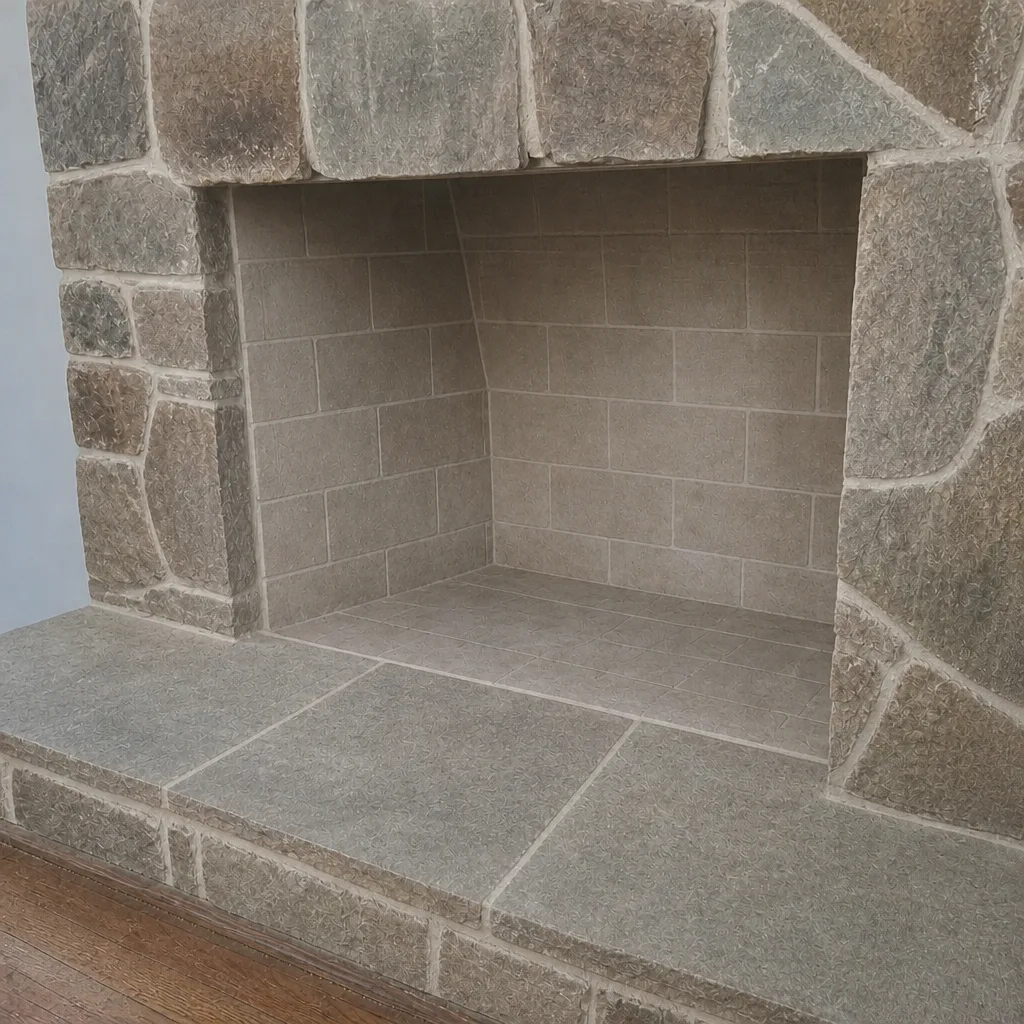
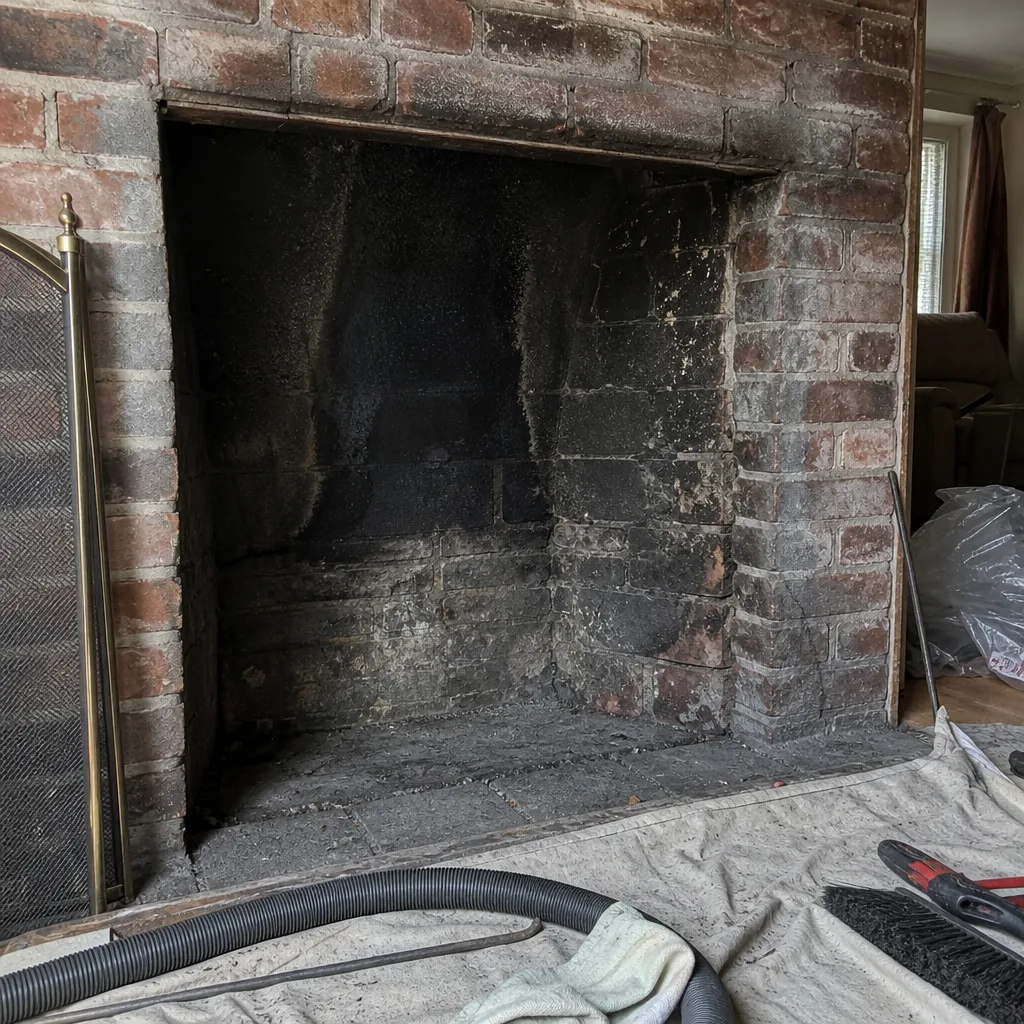
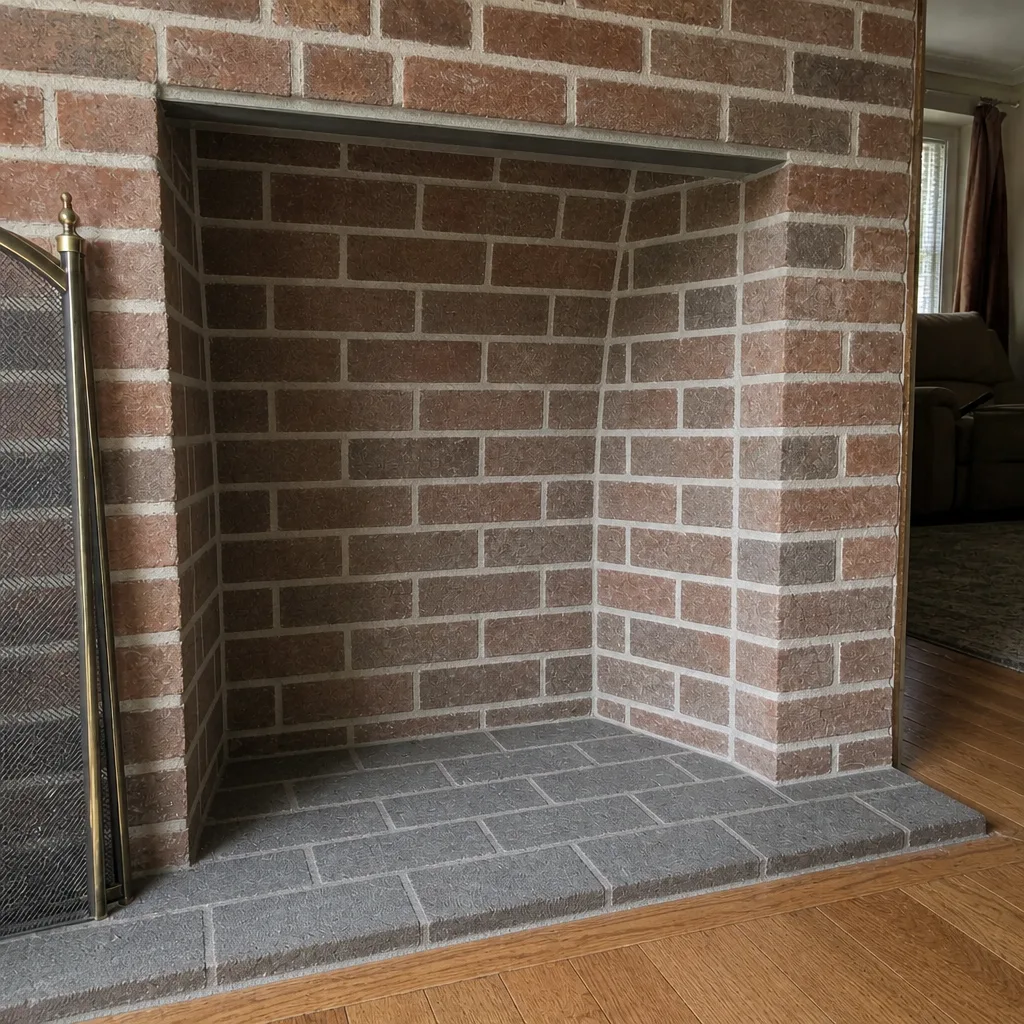
See the difference
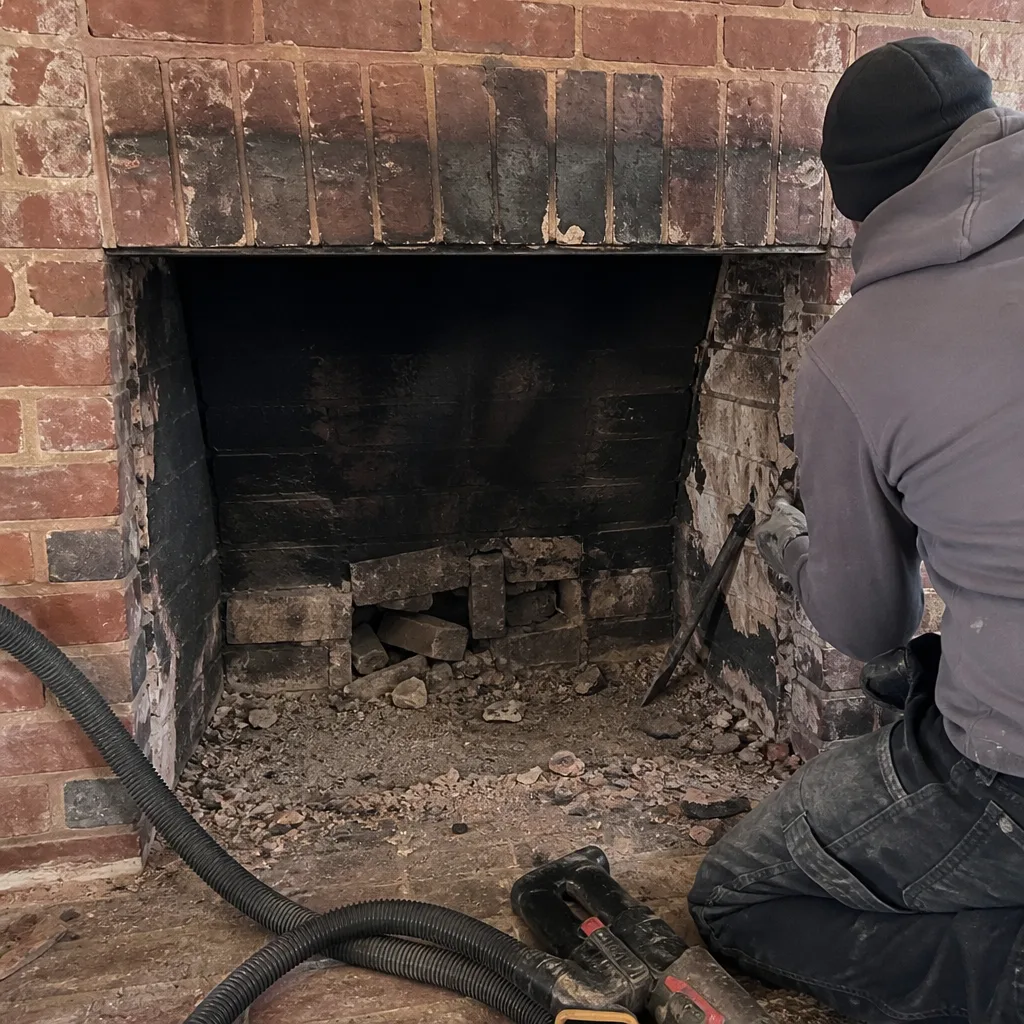 Before
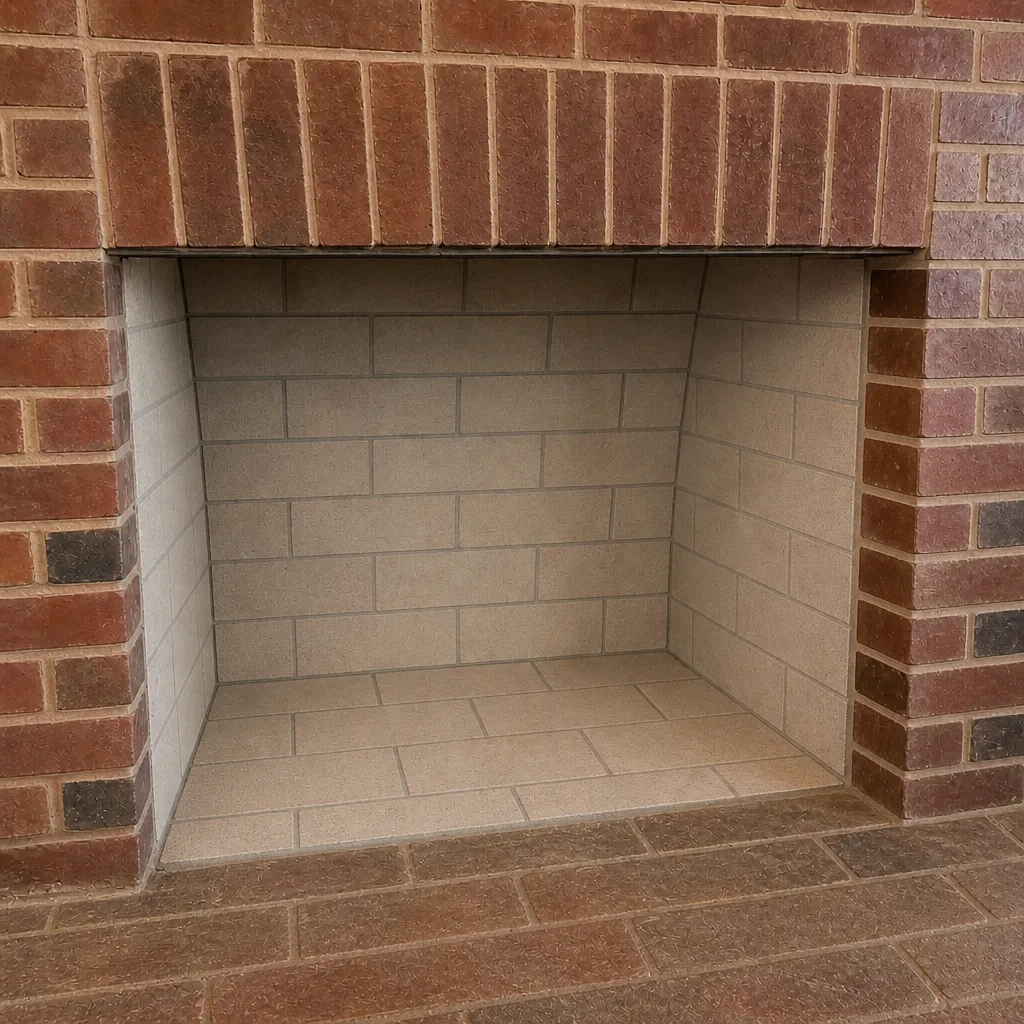 After
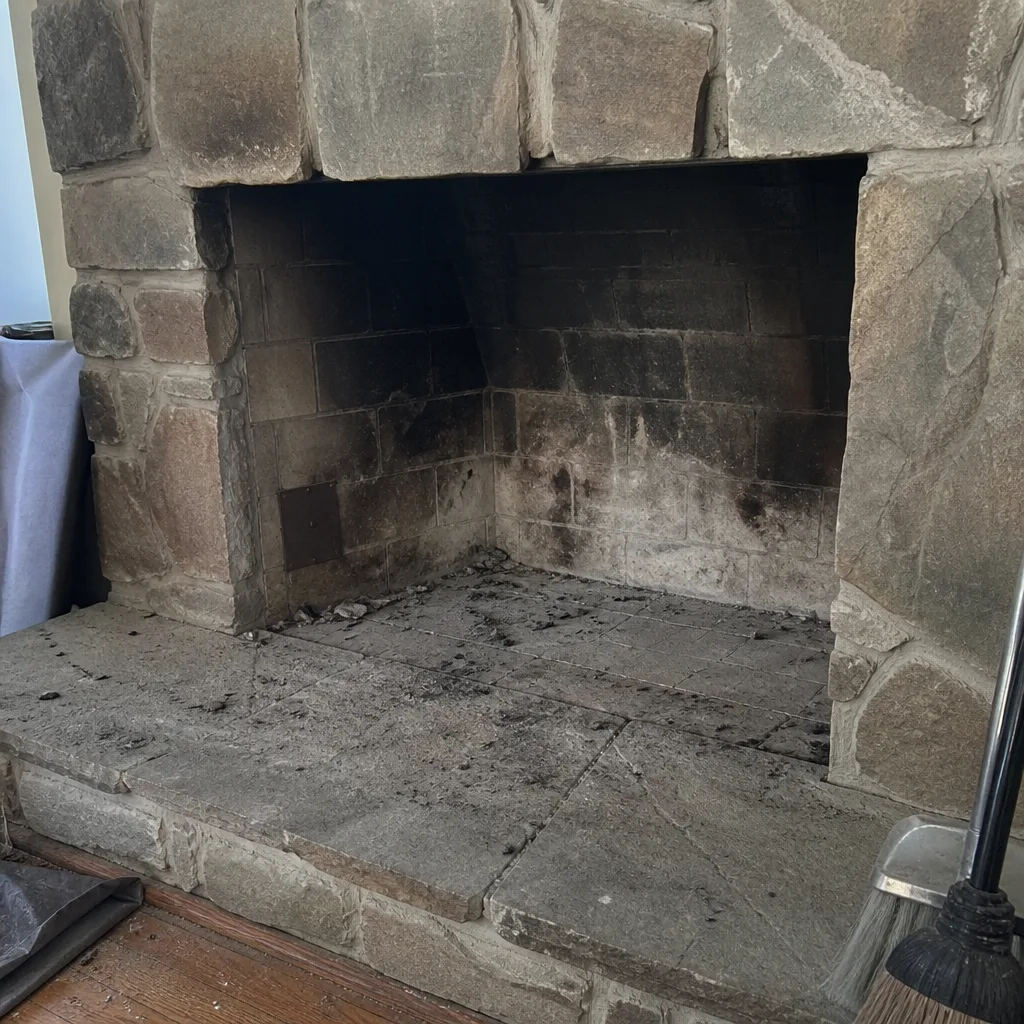 Before
 After
 Before
 After
When to Call a Professional
Most chimney products are designed to support a professional service, not replace one. Call a professional if you haven’t had the flue inspected in more than a year, if you’re seeing smoke roll back into the room instead of up the flue, if you’ve had a chimney fire (even a small one), if the damper doesn’t close cleanly, or if you’re about to buy a product and aren’t sure which category it belongs to. You should also call before a reline or restoration decision, since the inspection tells you whether a repair product will work at all. For anything involving heavy creosote or a damaged flue, don’t try to apply the product yourself. Norfolk Chimney Cleaning offers free estimates in Norfolk – call (844) 496-0079. We answer 24/7, with fast dispatch from 7am to 7pm, Sunday through Friday.
Frequently Asked Questions
No. Creosote sweeping logs soften or modify existing creosote so a mechanical sweep is more effective, but they don’t remove deposits. The manufacturer’s own label states they aren’t a substitute for professional cleaning. Use one only as a supplement to a scheduled sweep, not in place of it. Call (844) 496-0079 for a booking – estimates are free.
The brand matters less than the alloy grade, the insulation, and whether the liner is UL-listed for the appliance it serves. Recognized professional brands include DuraFlex, Olympia Chimney, and Famco. Your choice should come from an inspection, not from a product catalog. Call (844) 496-0079 to book a free estimate before you commit to a liner.
Galvanized caps are the least expensive option, but their coating degrades in humid conditions, and rust follows. For a permanent cap, stainless steel is the standard professional choice, and copper is the premium option with the longest warranty terms. Ask what material and warranty your installer is specifying. Call (844) 496-0079 – estimates are free.
CSIA certifies chimney technicians, not products. UL independently tests and lists products, and ASTM publishes the test standards those products are measured against. If a package names none of these, treat the claim as marketing. A written estimate that names the product and standard is the thing to ask for. Call (844) 496-0079 for an exact quote.
You can buy the sealant, but the right question is whether the stack needs repair first. Sealant applied over cracked mortar or failed flashing can trap moisture instead of protecting the chimney. In Norfolk’s humid climate, that’s worth getting checked. Call (844) 496-0079 and we’ll look at the stack before you buy anything.
It depends on what the inspection shows. A restoration product like HeatShield can often restore a damaged flue without demolition, but it requires a properly cleaned and prepared flue. If the damage is more extensive, a full stainless reline is the right answer. You should see the camera evidence before you decide. Call (844) 496-0079 for a free estimate.
The Bottom Line
The chimney product aisle is not a cleaning service, and the best-known brand on the shelf isn’t the answer to your chimney’s problem. Match the category to the task: mechanical sweep for creosote, chemical treatment as a support, sealant for moisture after repair, stainless or copper for a permanent cap, and recognized professional brands like HeatShield, Gelco, Olympia Chimney, DuraFlex, and Famco for liners and restoration. Look for UL listings and ASTM references, not adjectives. And get a written estimate that names the product and the reason. If you’re in Norfolk and weighing a product choice, start with a Norfolk inspection and go from there.
Call (844) 496-0079 for a free estimate. We answer 24/7, with fast dispatch from 7am to 7pm, Sunday through Friday. From first inspection to final repair – one specialist, one call.
Written by the team at Norfolk Chimney Cleaning.