
Last updated November 16, 2026
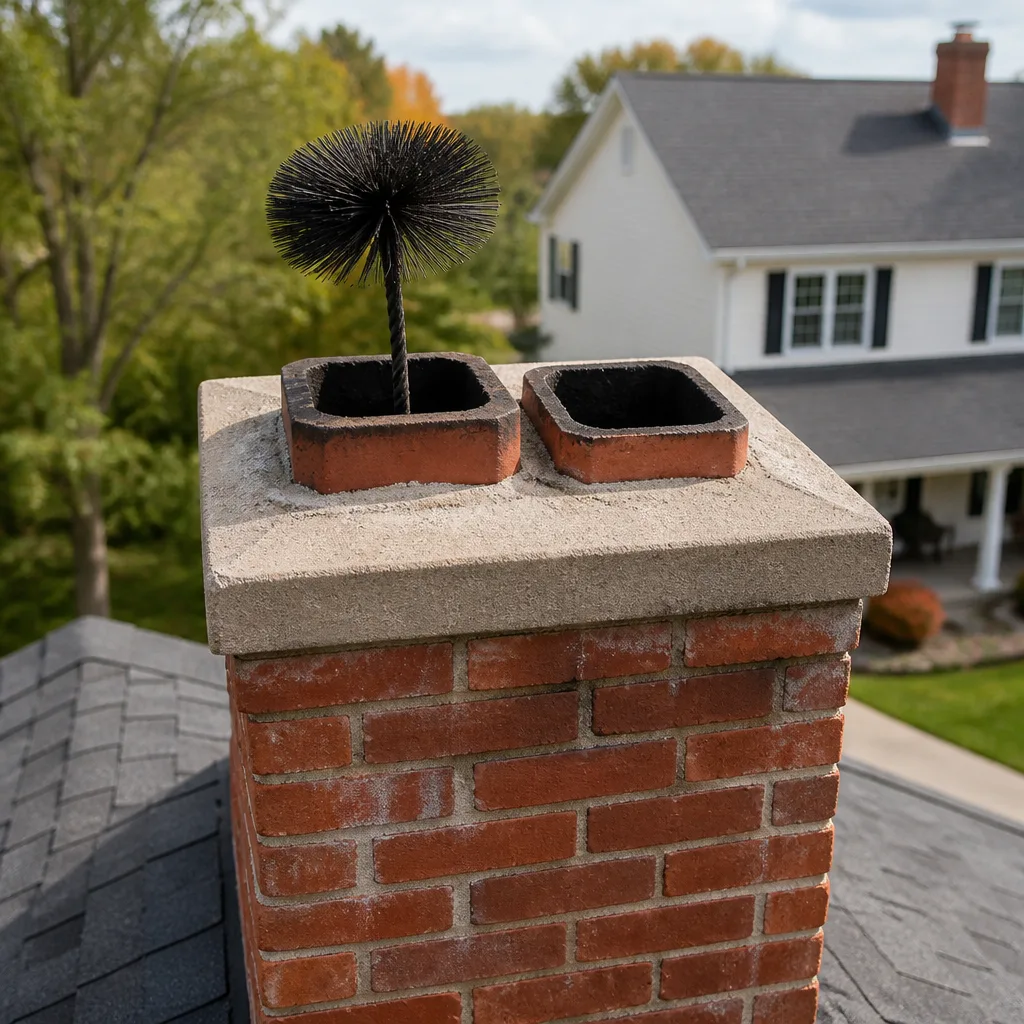 Sweep & inspection
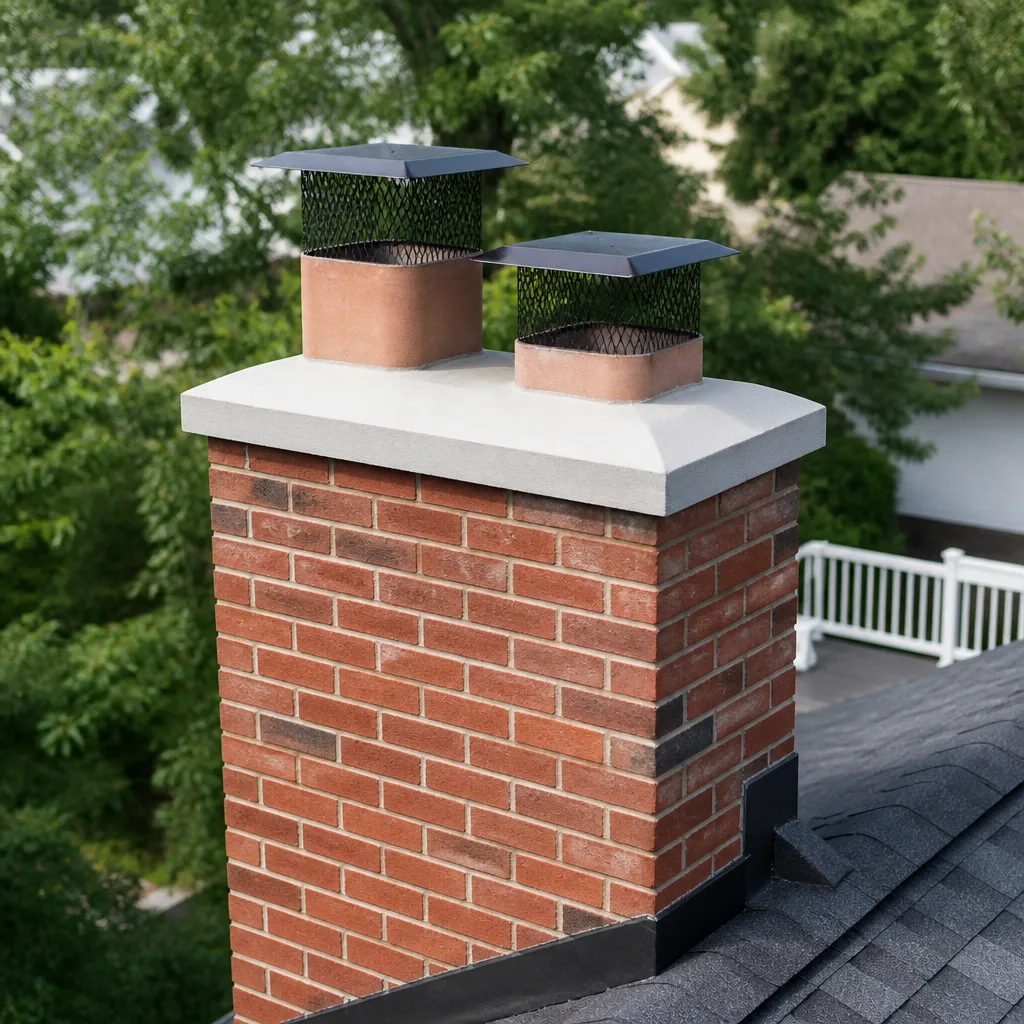 Caps & crowns
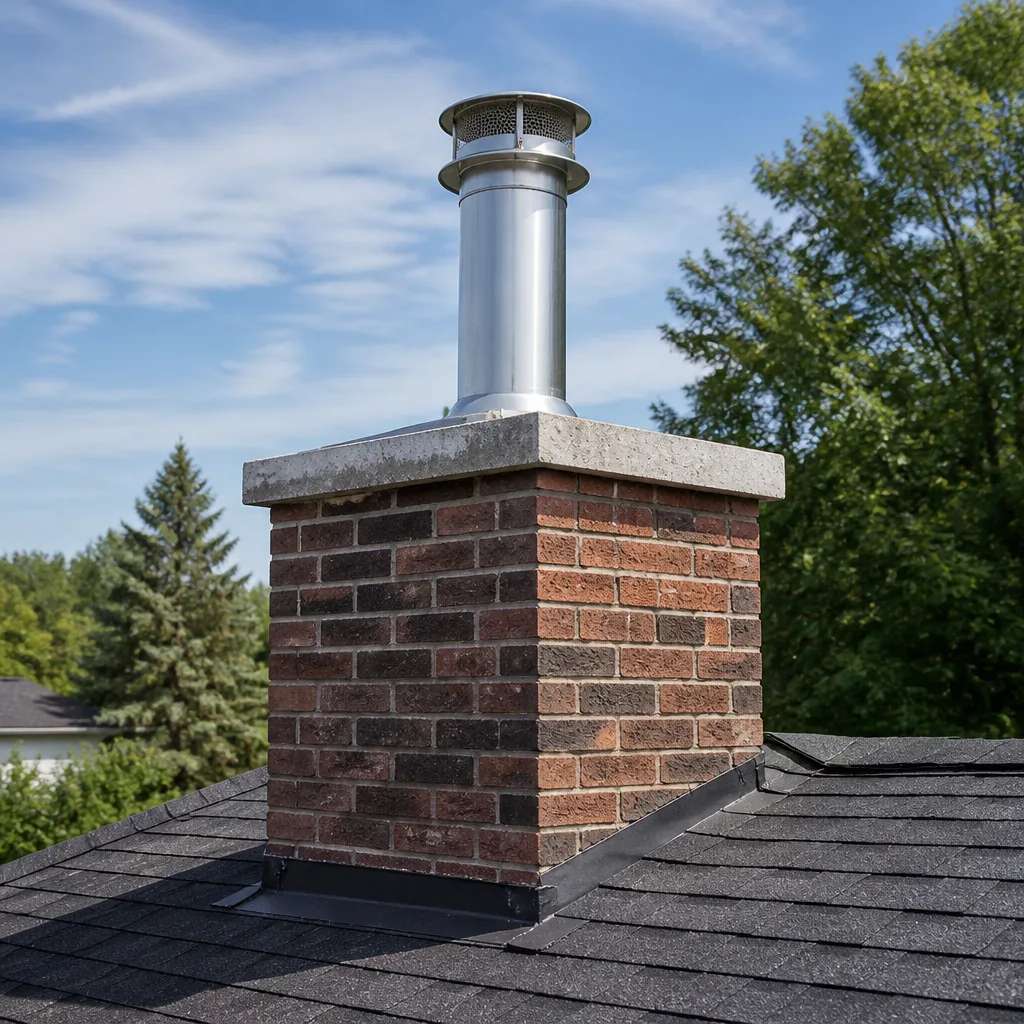 Flue relining
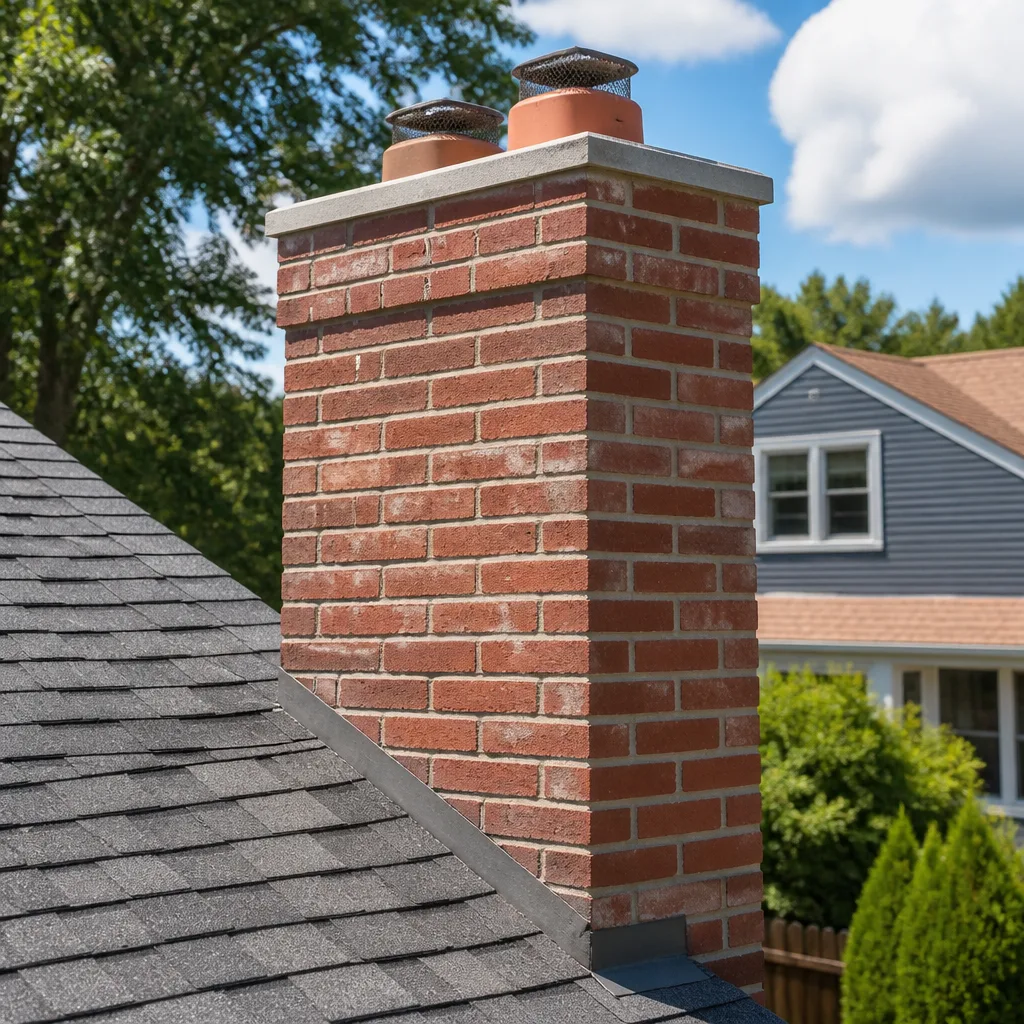 Masonry repair
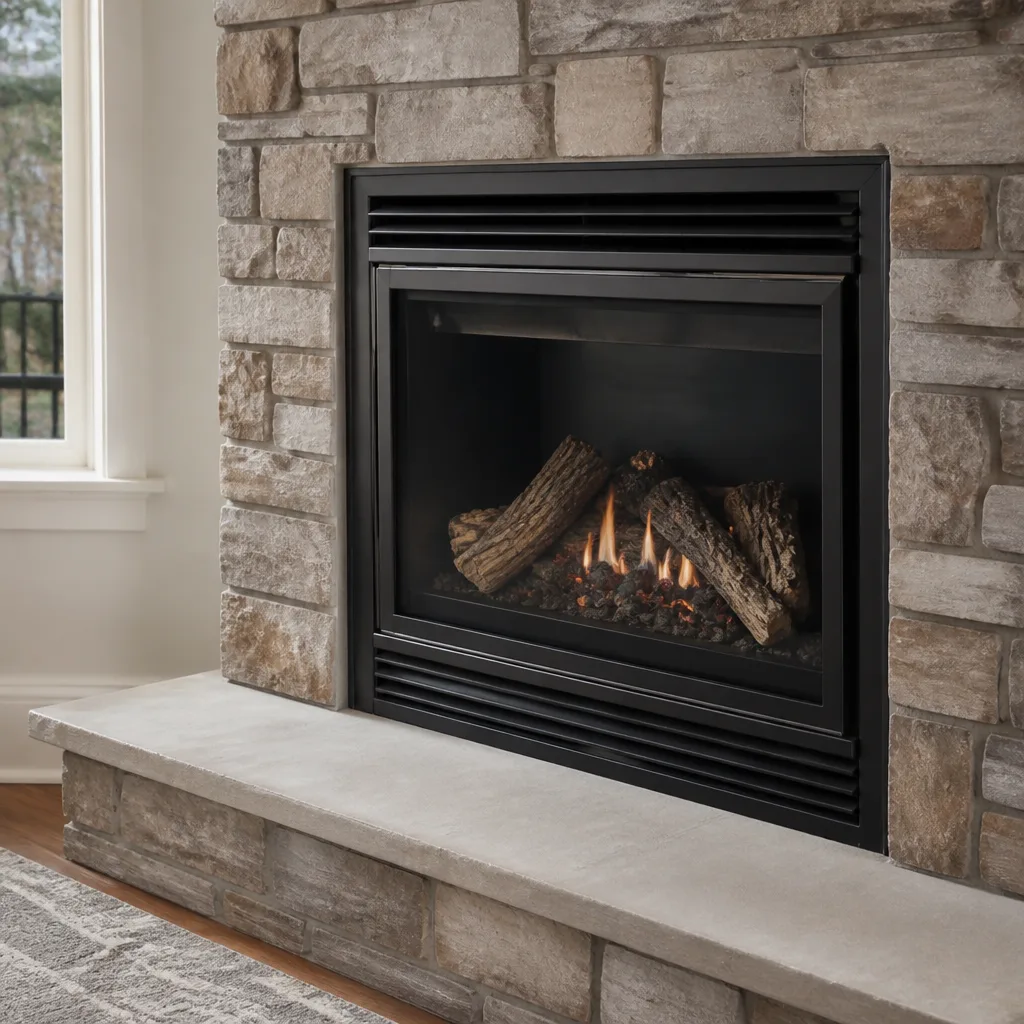 Gas fireplace service
Level 1 sweep and inspection to the NFPA 211 annual standard - flue, crown, cap, and flashing checked and photographed
Chimney sweep logs do not sweep chimneys. They loosen some creosote - which then falls where a brush and vacuum still have to collect it.
How to Hire a Chimney Cleaning Contractor in Norfolk: A Step-by-Step Guide
Most homeowners in Norfolk assume the hard part of chimney care is finding someone who will show up. The harder part is finding someone who knows what they’re looking at once they’re on the roof. CSIA certification exists because chimney work carries a specific body of knowledge: combustion dynamics, liner integrity, draft physics, the way creosote behaves at different temperatures. A general handyman or an HVAC company that lists chimney cleaning as an add-on doesn’t carry that knowledge, and it shows in the report you get afterward. In Norfolk’s active real estate market, chimney inspections get rushed all the time, treated as a box to check rather than a diagnostic. This guide gives you a framework to vet a contractor properly: what credentials to verify, which questions expose a generalist, and how to read a written estimate line by line.
Quick Answer
Hire a chimney cleaning contractor in Norfolk by verifying CSIA or NFI credentials directly through the issuing body, asking five pointed questions about whether chimney work is the company’s only trade, and insisting on a written estimate that itemizes the sweep, the inspection, and any recommended repair separately. A legitimate contractor will also hand you a written post-service report with photos. If any of those three things is missing, keep looking.
Styles & brands we work with
- Sweep & inspection
- Caps & crowns
- Flue relining
- Masonry repair
- Gas fireplace service
Table of Contents
- Step 1: Verify the Credentials That Actually Matter
- Step 2: Ask the Five Questions That Expose a Generalist
- Step 3: Read the Quote for Red Flags
- Step 4: Compare Written Estimates Line by Line
- Step 5: Insist on a Written Post-Service Report
- Why Norfolk’s Climate and Housing Stock Change the Job
- Common Mistakes to Avoid
- When to Call a Professional
Step 1: Verify the Credentials That Actually Matter
Credentials are the first filter, and the only useful way to check them is to go to the source. A business card that says “certified” means nothing until you’ve confirmed it with the organization that issued it. Here’s what to check and where.
CSIA certification
The Chimney Safety Institute of America (CSIA) is the industry’s best-known credentialing body for chimney sweeps. CSIA certification requires a proctored exam, a code of ethics, and continuing education to maintain. You can verify a company’s status through the CSIA’s public directory. A contractor who claims CSIA certification but doesn’t appear in that directory is telling you something important, whether they mean to or not.
NFI certification
The National Fireplace Institute (NFI) certifies technicians in specific fuel categories: wood, gas, and pellet. If you have a gas insert, an NFI gas specialist has been tested on the venting, combustion, and safety requirements particular to that appliance type. Wood-burning fireplace work and gas insert work are not the same job, and a contractor who holds only one certification shouldn’t be diagnosing the other.
Virginia contractor licensing
Virginia’s Department of Professional and Occupational Regulation maintains a public licensing database. What you’ll find there is narrower than some homeowners expect: the state licenses contractors by trade and by class, but it does not license “chimney sweep” as a standalone category. That means the database tells you whether a contractor holds a valid Virginia contractor license, and what class, but it does not tell you that the company is qualified to diagnose a flue. Cross-check the license AND the CSIA or NFI credential. One without the other is an incomplete picture.
Liability insurance
Ask for a certificate of insurance before anyone goes on your roof. Chimney work carries real physical risk, and a company operating without current liability coverage puts that risk on you. A contractor who hesitates to produce a certificate is not a contractor you want working above your living room.
Whatever else you confirm, the bottom line is this: the credentials should be verifiable, current, and specific to chimney work. At Norfolk Chimney Cleaning, our technicians have up to 15 years of experience and the company’s single focus is chimney inspection, sweeping, and repair. That’s the specialist model to look for.
Step 2: Ask the Five Questions That Expose a Generalist
You can’t always tell from a website whether a company does chimney work as its trade or as a sideline. These five questions cut through. The answers are less important than the specificity. A specialist answers from experience; a generalist answers from a script.
- “What percentage of your work is chimney-specific?” A dedicated chimney contractor will say something close to all of it. A handyman who also cleans gutters and hangs drywall will describe chimney work as one item on a long menu, and that answer changes how you should weigh everything else on the quote.
- “Who performs the actual sweep, and what certification do they hold?” Some companies subcontract the sweep to a third party and act as the middleman. That adds a handoff, and the person who inspects your flue may not be the person who can repair it. Ask whether the technician on-site holds the CSIA credential or just the company owner.
- “What equipment will you use on my flue?” A legitimate sweep uses purpose-built chimney rods, brushes sized to the flue, and a high-powered HEPA vacuum with a sealed connection to the firebox. If the answer is “a shop vac” or doesn’t include a method for containing dust, that’s a generalist.
- “Do you perform the repair work in-house, or do you refer it out?” Sweep-only providers diagnose problems but hand off the fix to another company. That handoff is where information gets lost, and it means the person recommending a repair has no stake in the quality of the result. A contractor that does both inspection and repair can show you the camera evidence and then do the work with the same set of eyes.
- “What material systems do you install?” The right answer names recognized professional-grade products: Olympia Chimney, DuraFlex, HeatShield, or Famco, to name a few used by chimney professionals across the country. A specialist will name them without being prompted. A generalist often can’t.
Ask these questions by phone before you book the visit. A specialist will give you direct, specific answers. If the answers feel vague, or if the person on the phone pushes you toward the sweep without answering, that’s the signal you needed.
Step 3: Read the Quote for Red Flags
What “full cleaning” means to a specialist and what it means to a generalist can be entirely different jobs. To a chimney specialist, a full cleaning means the flue is brushed from the top down or bottom up with properly sized tools, the firebox and smoke chamber are cleaned, the damper is checked, and everything is contained by a sealed vacuum system. To a generalist quoting by phone, “full cleaning” sometimes means the firebox gets vacuumed and the flue goes untouched. The word is the same; the work isn’t.
Watch for these red flags in a quote:
- A price quoted without seeing the chimney. Creosote depth, liner condition, and structural issues can’t be assessed over the phone. A legitimate contractor will quote a range and confirm after the inspection, or inspect first and then estimate.
- A recommendation to reline the chimney before any camera inspection. Liner replacement is sometimes necessary. It should never be recommended sight unseen, and you should be shown the camera footage that justifies it.
- “We’ll tell you after we get up there.” This sometimes means the quote is a placeholder and the real number arrives when you’re already committed. Ask for a written scope before the visit.
- “Full cleaning” with no breakdown of what’s included. If the quote doesn’t specify flue brushing, firebox cleaning, and inspection as separate items, you don’t know what you’re buying.
- No mention of a chimney inspection in the quote. A sweep without a visual inspection is incomplete. The inspection is what catches liner damage, cracked flue tiles, and creosote glazing that a brush doesn’t fully remove.
The test here is simple: can you read the quote and understand exactly what’s being done? If not, ask for a written scope or move on. We inspect before we recommend, and any reputable specialist in Norfolk will do the same.
Step 4: Compare Written Estimates Line by Line
Two quotes for the same job can look similar at the bottom and be wildly different in the middle. The way to compare them is to line up the itemized scope side by side. Here’s what should always appear as separate items on a written estimate, and what shouldn’t be bundled into a single number.
- Chimney sweep (flue brushing and firebox cleaning). This should be its own line, separate from inspection.
- Level 1, 2, or 3 inspection. The scope of an inspection changes based on which level is called for. A Level 1 is what goes with a routine sweep. A Level 2 is more detailed and is typically called for when the chimney changes hands, changes fuel type, or shows evidence of a problem. A Level 3 involves opening walls. Get the level named in writing.
- Camera footage and report. The observation report should be its own deliverable, not a service bundled in.
- Repair work (if recommended). Liner restoration, crown repair, damper replacement, and relining should each appear as a separate line with the specific material listed. Blanket line items like “repairs as needed” hide corners being cut.
- Labor versus materials. If the material is HeatShield liner restoration, the product should be named. If it’s DuraFlex, it should be named. If the quote says “new liner” with no product, ask which one and why.
- What’s excluded. A good estimate states what isn’t included, so you’re not surprised later by a wall opening or a masonry rebuild that wasn’t in the original scope.
What gets bundled to hide corners being cut: the inspection disappearing into the sweep price, the repair scope folding into a single “service” line, and the liner material left unspecified. When you ask for the breakdown, a specialist provides it without friction. At Norfolk, a written estimate should be detailed enough that you could take it to a second contractor and they’d understand exactly what was proposed.
Avoid estimates that mix Labor and Materials into one line per item. The price is set per job by the written estimate, so the estimate should describe the job precisely.
Step 5: Insist on a Written Post-Service Report
A written report is the proof the job happened at all. It should be handed to you before the technician leaves or sent to you afterward, and it should cover five things:
- The extent of the sweep. Was the full flue brushed? Was the smoke chamber cleaned, or just the firebox?
- How much creosote was removed, and at what stage. Creosote is measured in stages, from Stage 1 (soft soot) through Stage 3 (glazed and hard). Stage 2 and Stage 3 creosote behave differently and call for different removal methods. The report should name the stage.
- The condition of the liner. Cracks, gaps, deteriorated mortar joints, and disconnected sections should be documented. If camera footage was taken, stills should be attached.
- The condition of the crown, cap, and flashing. These are common sources of water intrusion. If something needs repair, it should be noted with the reasoning.
- Recommendations with a timeframe. A legitimate report distinguishes between repair that’s needed now and repair that can safely wait. Any contractor who won’t tell you which is which is trying to sell, not diagnose.
A company that won’t provide a written report should not be rehired, and that’s true even if the sweep itself was fine. The report is what lets you document the condition of your chimney for future reference and for any real-estate transaction later. When a specialist does the job, the report is a standard part of the service, not an extra.
Why Norfolk’s Climate and Housing Stock Change the Job
The way a chimney job goes in Norfolk depends on what’s on the roof and what weather it has seen. Older masonry chimneys in established neighborhoods carry different challenges than newer construction with prefabricated metal flues. Houses with a history of deferred maintenance often hide liner damage under a sweep that looks clean. The humid summers and repeated freeze-thaw cycles through the cooler months mean the masonry crown and mortar joints take real wear, and cracks that look cosmetic from the ground can run deeper than expected.
This is why Norfolk inspection should always involve a camera. The eye can’t see the inside of a flue from the firebox, and the crown of a chimney from the driveway. A Level 2 inspection with camera footage is what catches liner deterioration, offset flue tiles, and creosote glazing hiding in the upper sections. In a city with as much older housing stock as Norfolk, that video footage is the difference between an accurate assessment and a guess.
Norfolk also has a specific pattern of deferred maintenance: homeowners who bought a house with a fireplace, never used it, and now want to burn wood or install a gas insert. The chimney may not have been inspected in a decade. That’s not a reason to assume the worst. It’s a reason to inspect before assuming anything. And when the inspection does find liner damage, the good news is that liner restoration with systems like HeatShield and DuraFlex can often restore the flue without a full demolition and rebuild. Repair, don’t replace is the modern approach for many damaged flues.
If a homeowner is preparing to sell, the chimney report becomes part of the transaction. A rushed inspection that produces a vague “needs work” note creates renegotiation. A thorough one with photos creates clarity. Choose a contractor who treats the inspection as a diagnostic, not a transaction, and chimney sweep work you can verify.
What to Ask About Materials and Products
Material quality is one of the hardest things for a homeowner to evaluate, because most people haven’t heard of any of the products. That’s exactly why the question is useful. A chimney specialist works with recognized professional-grade brands because those are the products the trade uses: Olympia Chimney for UL-listed venting components, DuraFlex for flexible liner systems, HeatShield for liner restoration compounds, Famco for caps and accessories, Copperfield for chimney covers. If a contractor can’t name a single product they install, ask why. The answer usually tells you whether chimney work is their trade or their sideline.
When a repair is recommended, ask which product will be used and why that product fits the situation. The answer should be specific to your chimney, not a generic pitch. Our team works with HeatShield for liner restoration, DuraFlex for flexible liner systems, and Olympia Chimney and Famco for related components, and we can walk through the reasoning for each on-site.
Is “licensed and insured” enough?
No. Virginia’s licensing framework covers contractors by trade and class, but it does not certify chimney sweep competence. The credential that matters for chimney work is CSIA or NFI, verified directly through the issuing body. Insurance is also essential but only protects against physical damage. Neither replaces a chimney-specific certification.
Common Mistakes to Avoid
- Hiring a general handyman because the price looked lower. The lower price often reflects less training, less equipment, and less scope. A sweep with a shop vac and a wire brush isn’t the same job as a sealed-vacuum sweep with custom-fit brushes.
- Booking a sweep without an inspection. The sweep is part of the job, not the whole job. If your contractor isn’t inspecting the liner, crown, and smoke chamber, you’re paying for a surface clean and getting no diagnostic information.
- Accepting a liner replacement recommendation without camera evidence. You should see the footage. If a contractor recommends relining a flue before showing you what’s wrong with it, ask to see the evidence or get a second opinion.
- Skipping the written report. In Norfolk’s real estate market, transactions move fast and contractors get rushed. A written report with photos is your documentation if anything comes up later, whether with the buyer, the insurer, or the next contractor.
- Thinking the sweep is a one-time job. Chimneys need sweeping on a schedule that depends on how much you burn and what you burn. Skipping years of sweeping allows creosote to build to Stage 3, the glazed, hard-to-remove stage that requires more involved removal.
- Assuming a newer gas insert needs no chimney attention. Gas appliances produce less creosote, but the venting still needs inspection for corrosion and debris. NFI certification exists for exactly this reason.
- Hiring the first company that answers because the chimney needs work now. A company that will show credentials, answer the five questions, and put the scope in writing is worth waiting for. Rushed hiring is how generalists end up on your roof.
When to Call a Professional
Some problems are obvious: a strong smoke smell in the room when the fire is going, a draft that won’t draw, water staining on the ceiling around the chimney, or a visible crack in the masonry crown. Others are invisible from the living room: a damaged liner, a disconnected flue joint, or Stage 3 creosote that won’t come off with a standard sweep. Any of these is a reason to call a specialist, not to wait.
The best reason to call, though, is the routine one. A chimney that’s been used even occasionally for a season likely has a creosote layer worth removing, and a chimney that’s sat for years could have liner damage or debris build-up with no obvious symptom. The way to know is to inspect. chimney repair that’s caught early stays in the hundreds of dollars; repair that’s discovered after a fire or water intrusion is another matter entirely. And if no one has looked inside your flue since you bought the house, it’s time.
Norfolk Chimney Cleaning offers free estimates in Norfolk. Our technicians have up to 15 years of experience, we work with professional-grade materials, and our job is to give you an objective assessment before recommending any repair. Call (844) 496-0079. We answer 24/7. Fast dispatch from 7am to 7pm, Sunday through Friday.
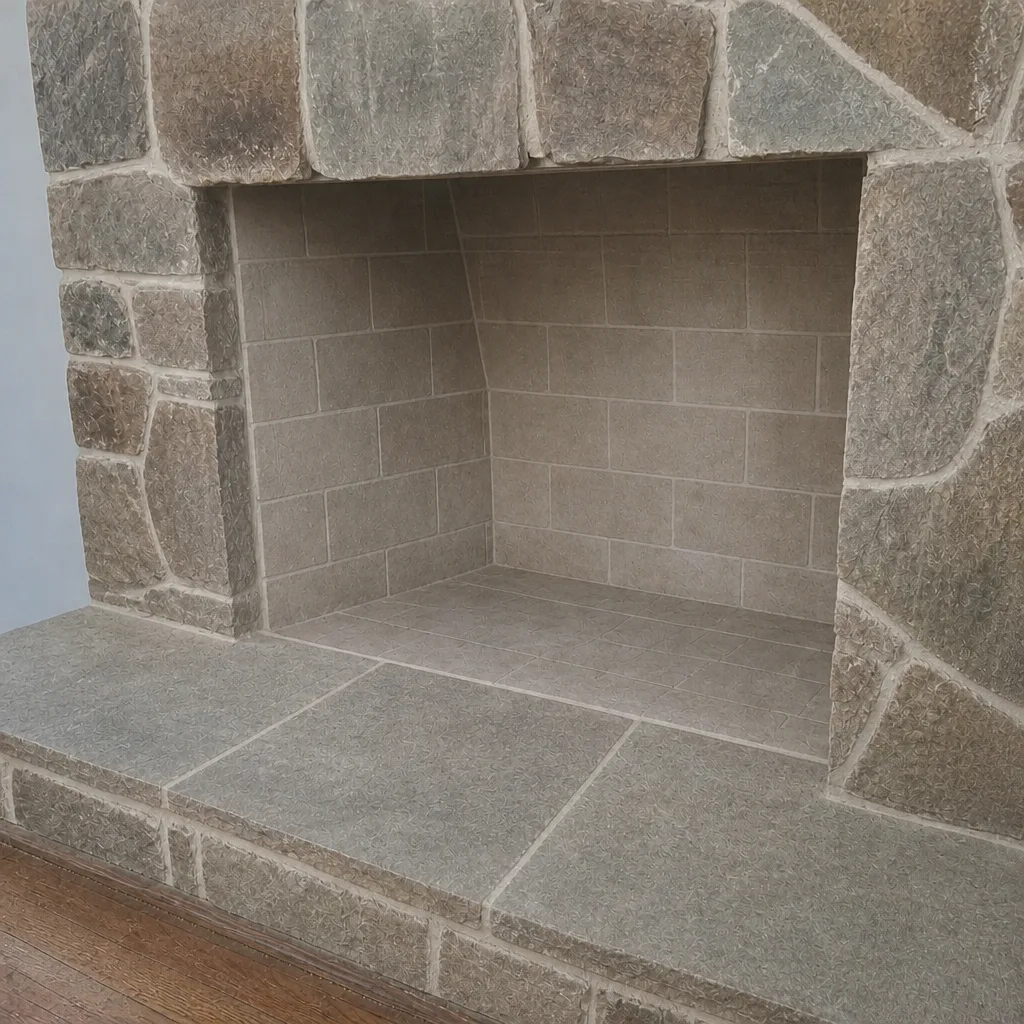
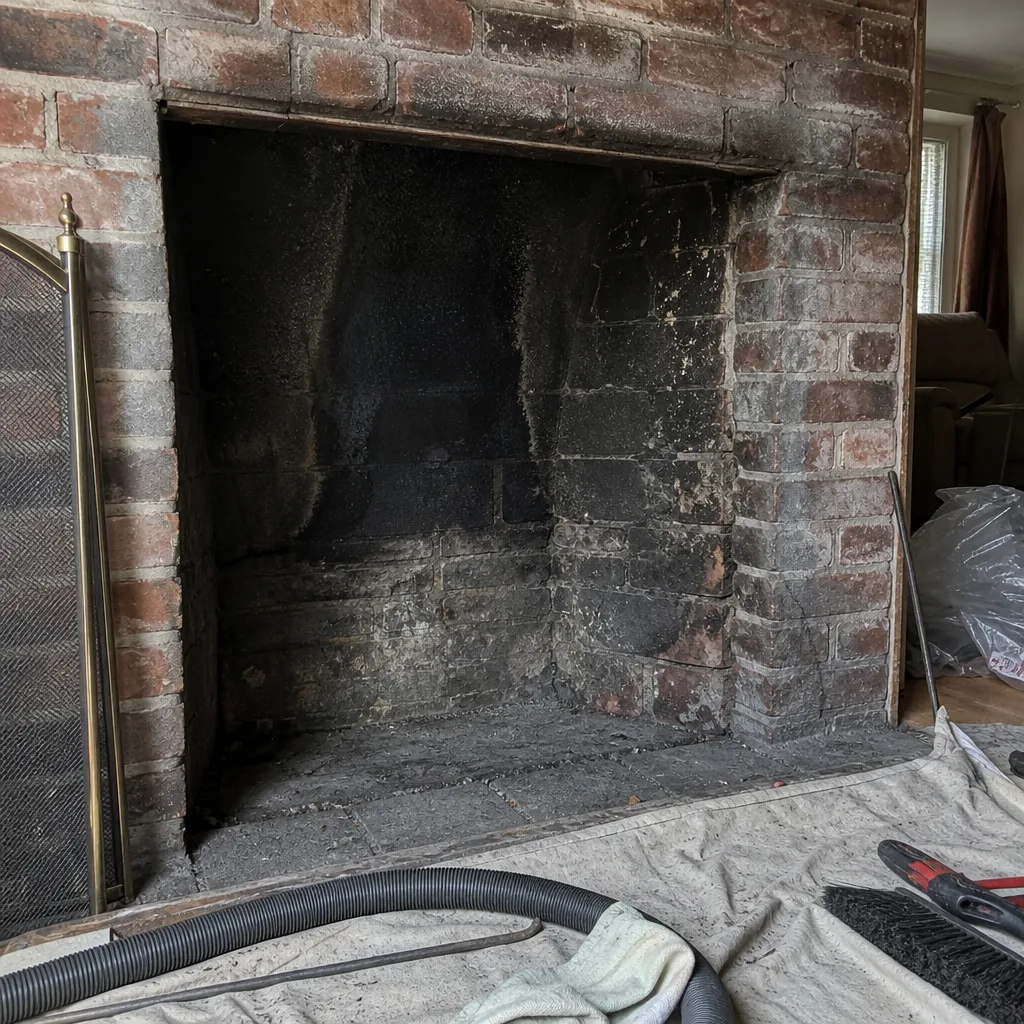
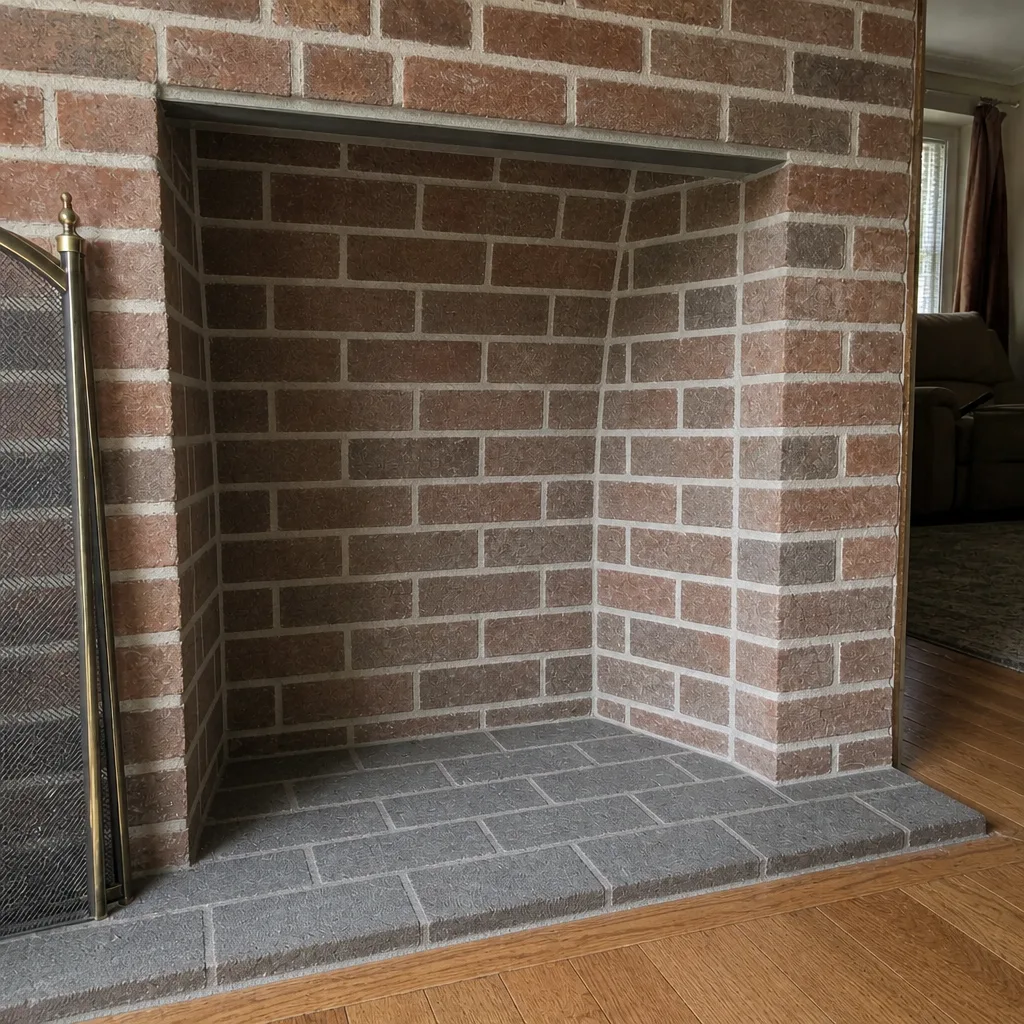
See the difference
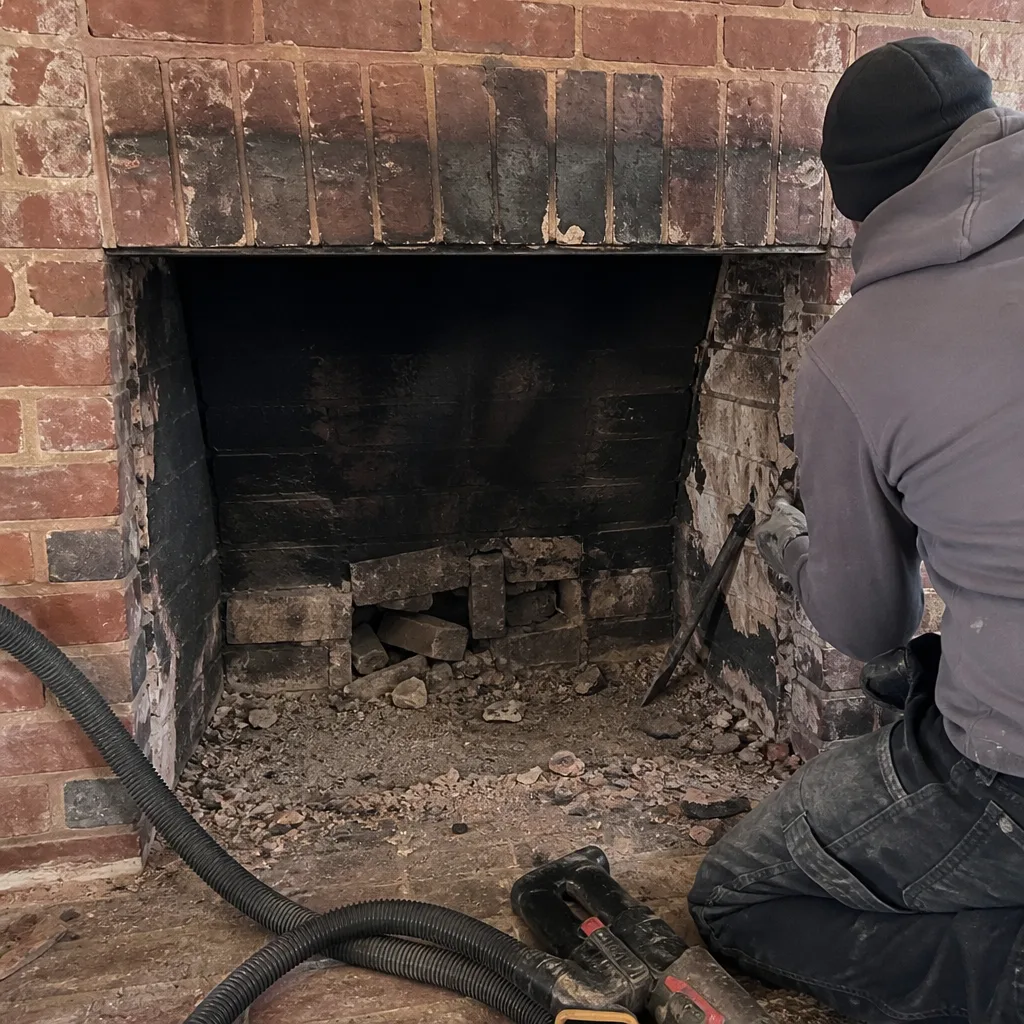 Before
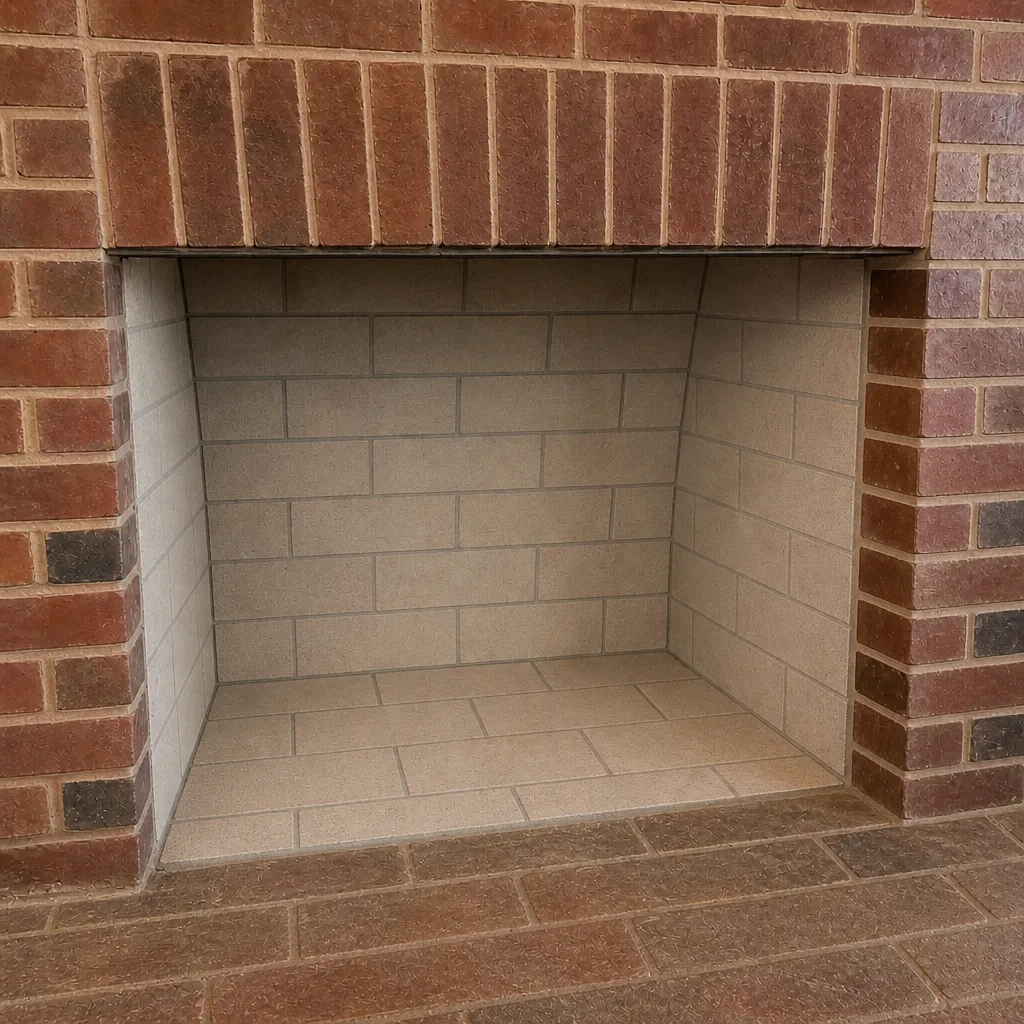 After
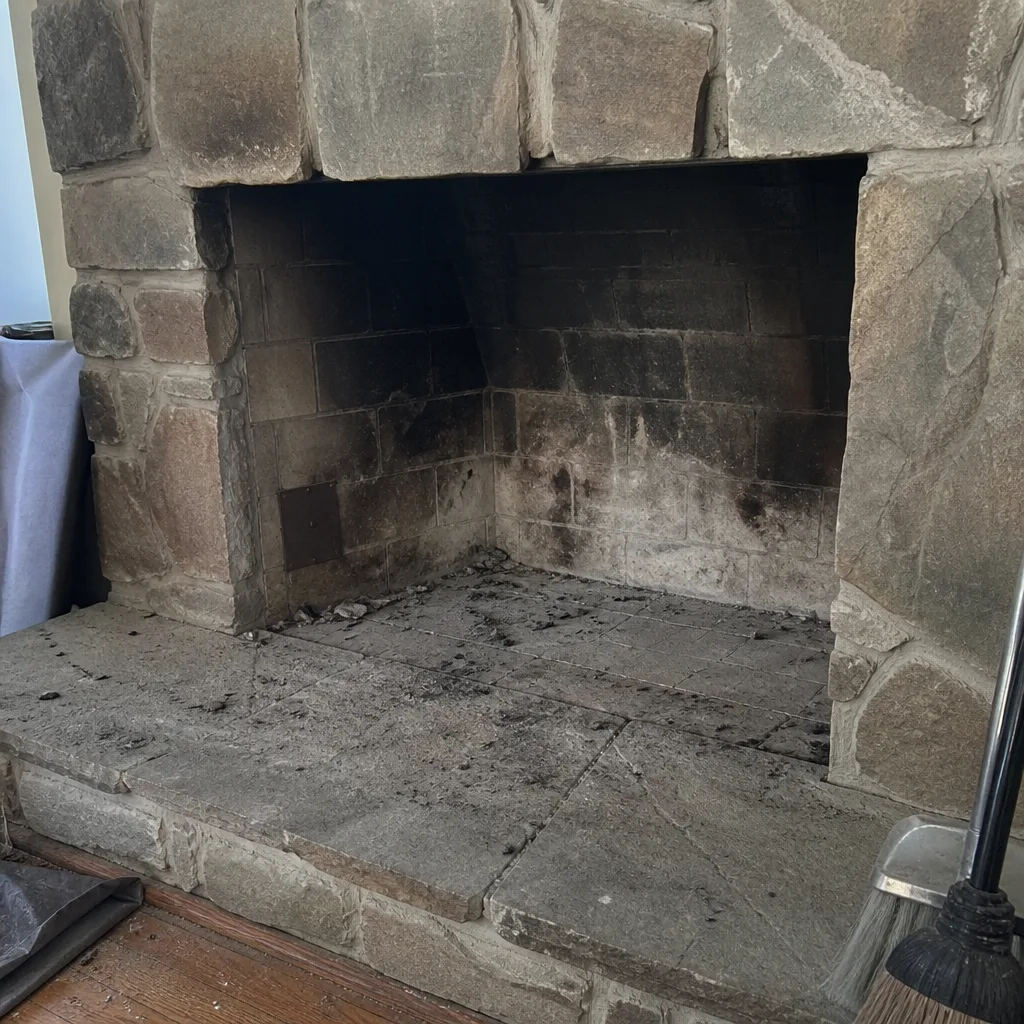 Before
 After
 Before
 After
Frequently Asked Questions
A routine chimney sweep in Norfolk typically costs in the range of a standard professional sweep, with the price set per job by the written estimate after the scope is confirmed. The estimate should itemize the sweep, the inspection, and any recommended repair separately so you can see exactly what you’re paying for. Costs climb when the sweep involves creosote removal at Stage 2 or Stage 3, or when the camera inspection reveals a liner issue that needs repair. Call (844) 496-0079 for an exact quote – estimates are free.
Yes. The sweep removes creosote; the inspection catches the problems the sweep can’t fix. A liner crack, a deteriorated smoke chamber, or a disconnected flue section won’t show up on a brush alone. A Level 2 inspection with camera footage is what gives you the full picture, and it’s why every sweep should come with a written report showing what was found. If a contractor offers a sweep with no inspection, that’s not a complete chimney service. Call (844) 496-0079 for an exact quote – estimates are free.
The frequency depends on how much you burn and what you burn. In general, a chimney used regularly during the heating season should be swept once a year before the season starts, and a chimney used only occasionally can go longer. The more useful approach is to schedule a sweep when creosote reaches a measurable depth, which a professional checks during the inspection. A wood burner who burns hot, dry wood builds creosote more slowly than one who burns green wood or restricts the air supply. Call (844) 496-0079 for an exact quote – estimates are free.
Creosote accumulates. Soft soot turns into Stage 2 and then Stage 3 glazed creosote, which is hard, shiny, and much more difficult to remove. That’s the fuel source in a chimney fire. Beyond the fire risk, skipped maintenance lets small problems grow: a cracked crown letting water in, a deteriorating liner that no longer contains the flue gases, a failed damper. Each of these is cheaper to fix when it’s caught early. Call (844) 496-0079 for an exact quote – estimates are free.
A chimney contractor in Norfolk should hold CSIA certification, and for gas appliances, NFI certification in the relevant fuel category. Both can be verified through the issuing organization’s public directory. In Virginia, the state licensing database shows contractor license status by class, but it does not certify chimney competence, so it’s a check that supplements the CSIA and NFI verification rather than replacing it. Also ask for a certificate of insurance before work begins. Call (844) 496-0079 for an exact quote – estimates are free.
A written post-service report should cover the extent of the sweep, the creosote stage removed, the condition of the liner with camera photos, the condition of the crown and flashing, and specific recommendations with a timeframe for when each repair should happen. The report should distinguish between repairs that need to happen now and repairs that can safely wait, so you can make decisions on your own schedule. A contractor who won’t hand you a written report shouldn’t be rehired. Call (844) 496-0079 for an exact quote – estimates are free.
The Bottom Line
Hiring a chimney contractor in Norfolk comes down to three things: verifiable credentials, a written scope before work begins, and a written report afterward. The credentials you’re checking for are CSIA and NFI certification, confirmed directly through the issuing bodies, plus a valid Virginia contractor license and current insurance. The written scope should itemize the sweep, the inspection level, and any recommended repair as separate lines, with material products named. The written report should include camera photos and a clear distinction between what’s urgent and what can wait. A contractor who meets all three without friction is the one to hire. Call (844) 496-0079. We answer 24/7. Fast dispatch from 7am to 7pm, Sunday through Friday. Estimates are free, and we inspect before we recommend anything.
Written by the team at Norfolk Chimney Cleaning.