
Last updated November 16, 2026
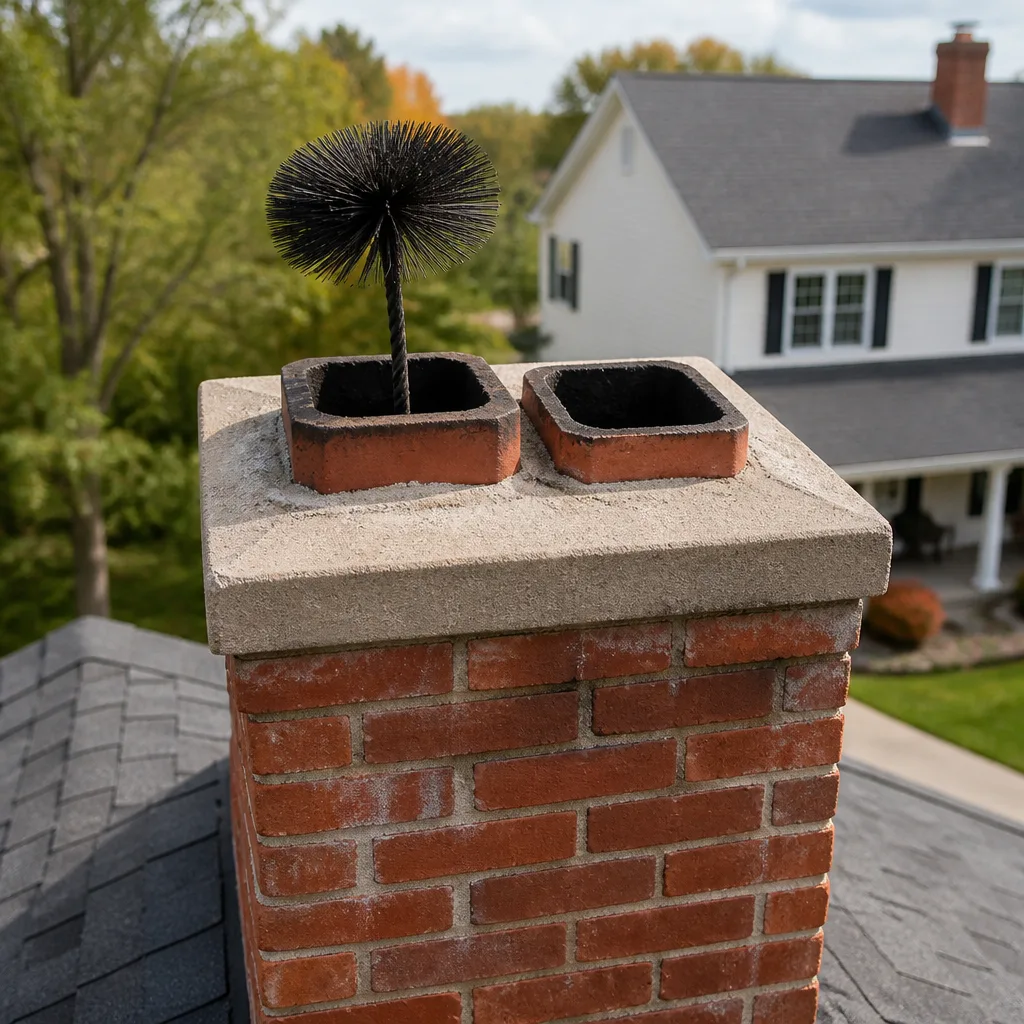 Sweep & inspection
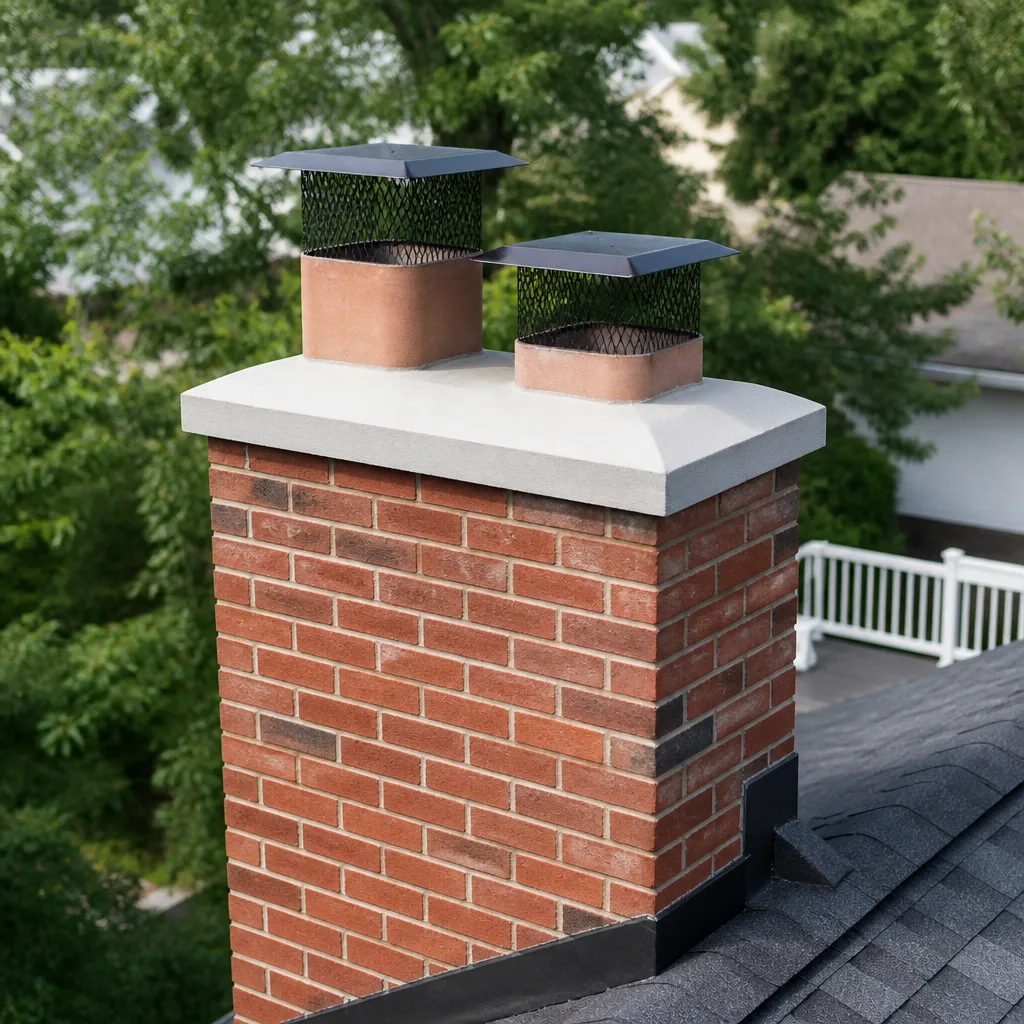 Caps & crowns
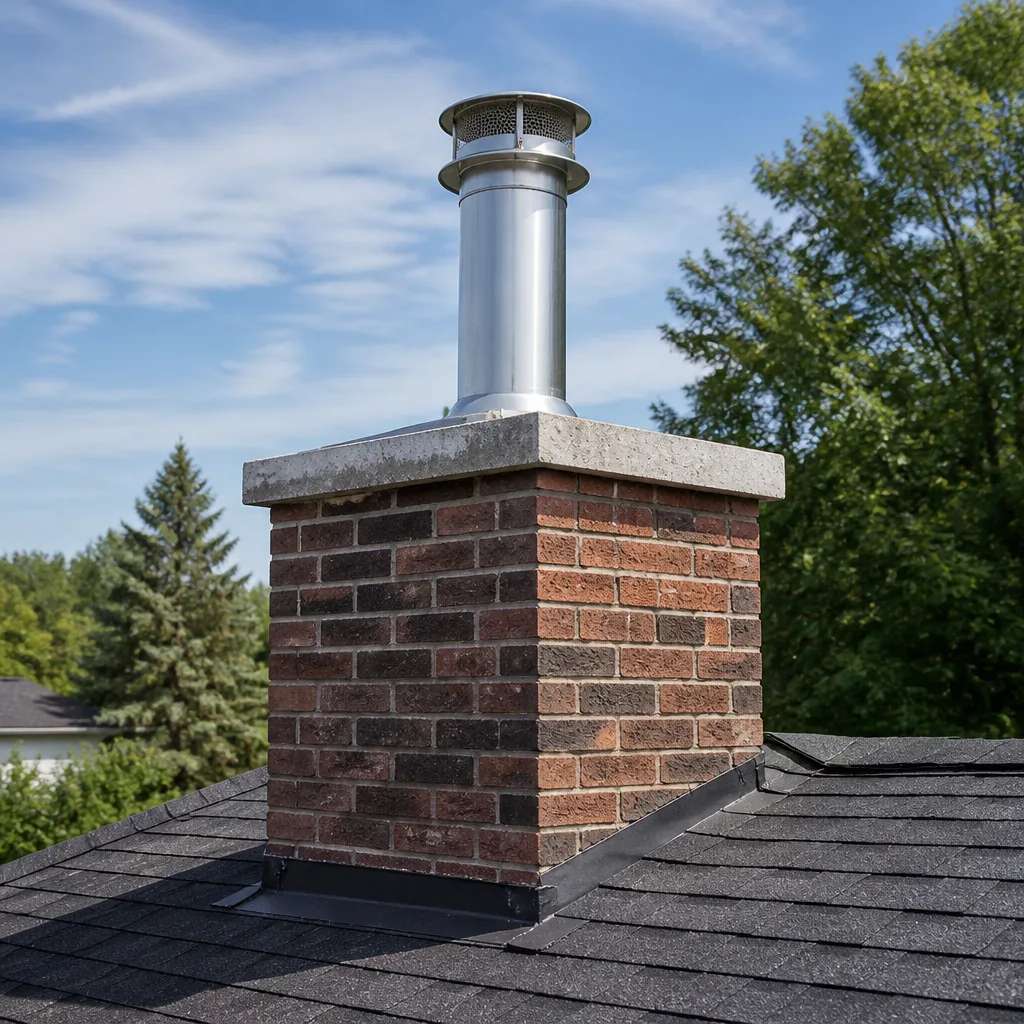 Flue relining
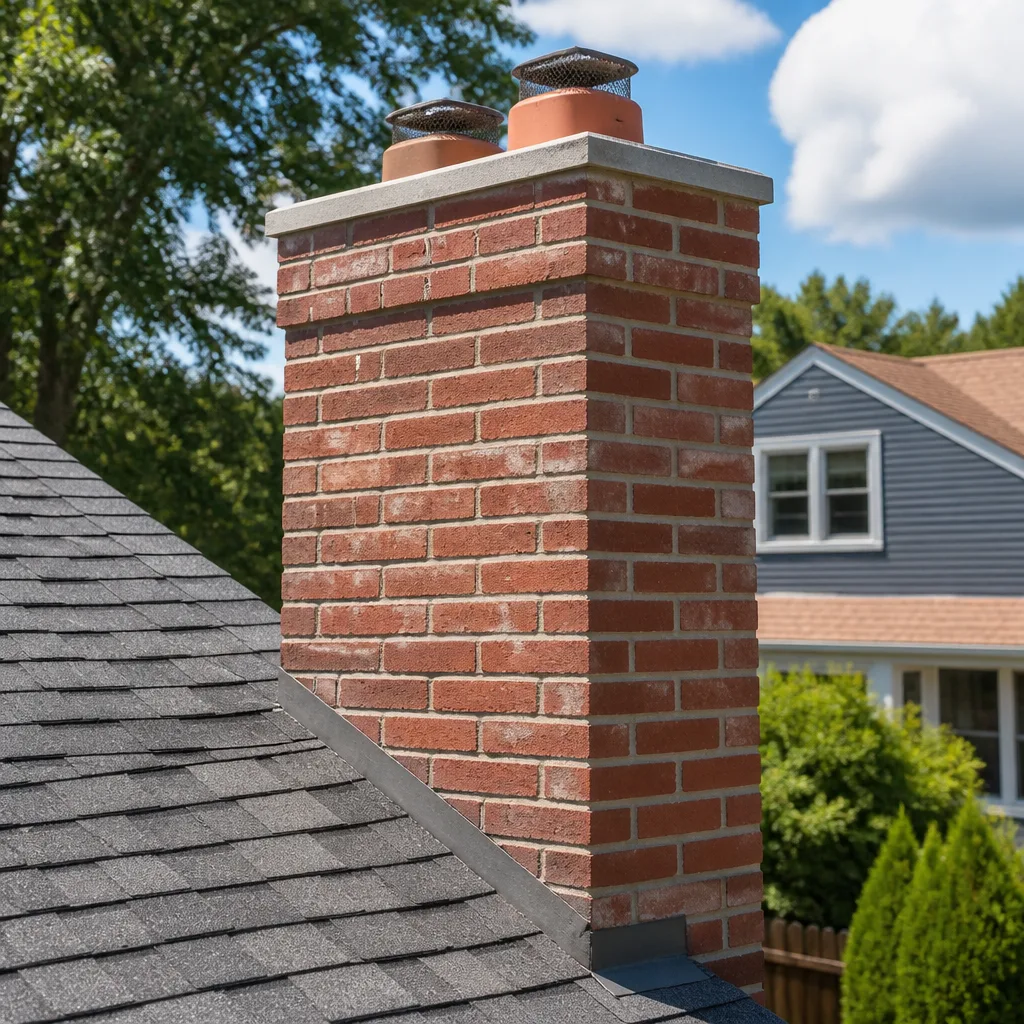 Masonry repair
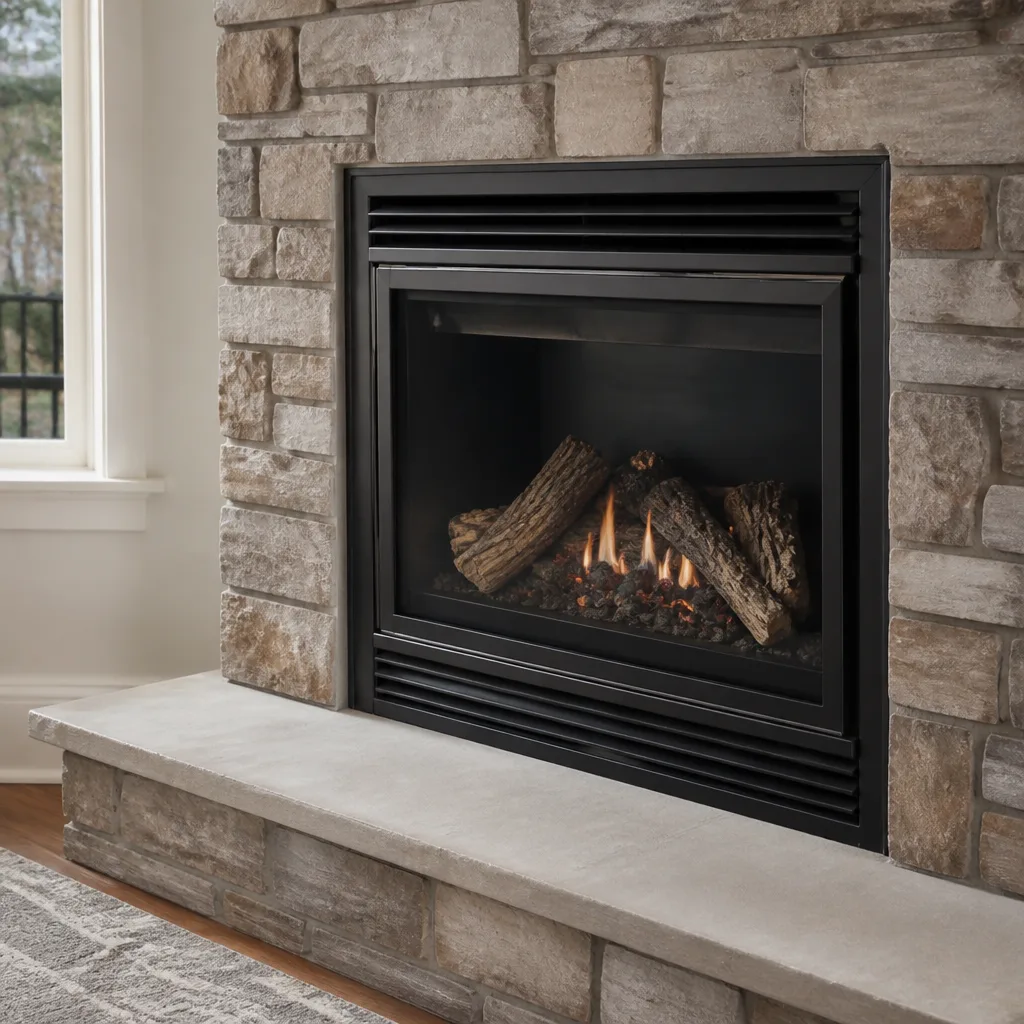 Gas fireplace service
Level 1 sweep and inspection to the NFPA 211 annual standard - flue, crown, cap, and flashing checked and photographed
Chimney sweep logs do not sweep chimneys. They loosen some creosote - which then falls where a brush and vacuum still have to collect it.
The Complete Chimney Inspection Guide for Norfolk Homeowners
Most homeowners think about their chimney exactly twice: when they light the first fire of the season, and when something smells wrong. That gap is where problems grow. Here’s the counterintuitive part: a chimney can look perfectly fine from the hearth and still be failing behind the masonry, which is why a real inspection is a diagnostic service, not a glance up the flue. Norfolk’s environment makes that distinction matter more than it does in drier inland towns, and the differences show up in mortar, liners, and crowns. This guide walks through what a thorough inspection actually involves, the three industry inspection levels in plain language, what a proper report contains, and how to judge a quote honestly.
Quick Answer
A chimney inspection is a structured evaluation of your flue, firebox, damper, crown, and exterior masonry, performed at one of three levels defined by the chimney industry. Most Norfolk homeowners need a Level 2 inspection, which includes camera assessment of the flue interior, whenever they’ve moved into a new home, changed fuel type or appliance, survived a chimney fire, or gone more than a year without a sweep. An annual inspection plus sweep remains the baseline for anyone burning wood regularly.
Styles & brands we work with
- Sweep & inspection
- Caps & crowns
- Flue relining
- Masonry repair
- Gas fireplace service
Table of Contents
- What a Chimney Inspection Actually Covers
- The Three Inspection Levels Explained
- Why Norfolk Conditions Change the Inspection
- Clay Soil, Settlement, and Chimney Lean
- What a Proper Inspection Report Should Contain
- Visual Sweep vs. Camera-Assisted Inspection
- How Often Should You Inspect?
- When Inspection Finds a Problem: Repair vs. Replace
What a Chimney Inspection Actually Covers
An inspection is a top-to-bottom evaluation of the entire venting system, not just the flue opening above the firebox. A thorough inspector works from the firebox upward: damper operation, smoke chamber, flue liner, crown, flashing, and the exterior stack. Each component has its own failure patterns, and a problem in one often explains a symptom in another. A smoking fireplace, for example, can trace back to a cracked crown letting water into the smoke shelf, not to a blocked flue.
The list below outlines the components a complete inspection evaluates. If your inspector skips any of these on the walkthrough, ask why.
- Firebox and hearth: brick spalling, mortar joint condition, hearth extension clearance
- Damper: operation, seal, corrosion at the hinge and frame
- Smoke chamber: parging condition, offset obstructions, creosote accumulation
- Flue liner: cracks, gaps at joints, missing mortar, integrity of the flue tile
- Crown: cracking, spalling, slope toward the flue, seal at the liner top
- Flashing: seal at the roofline, rusted or lifted metal, water staining below
- Chase cover and cap: intactness, animal or debris intrusion, proper clearance
- Exterior masonry: lean, step cracking, efflorescence indicating moisture
Every one of these items can fail independently, and most fail slowly. That’s why the inspection has value even when the fire has been drawing well. A chimney doesn’t announce its problems through smoke; it usually announces them through a crack you can’t see until someone climbs up and looks.
The Three Inspection Levels Explained
The chimney industry defines three inspection levels, and knowing which one you need prevents both overspending and under-diagnosing. A Level 1 is a visual check of accessible components with the firebox closed up as normal. A Level 2 adds camera assessment of the flue interior and inspection of accessible attic, crawlspace, and chase areas. A Level 3 is a Level 2 plus opening of concealed areas, which is only called for when a serious defect is suspected and needs direct confirmation.
Level 1: The Baseline Check
Level 1 applies when the appliance and fuel haven’t changed since the last inspection and everything is working normally. It’s the annual maintenance inspection: visual review of the accessible portions, a check of the damper and firebox, and confirmation that the flue is clear enough for continued use. It doesn’t include a camera view of the flue, so any hidden defect inside the liner stays hidden.
Level 2: The Camera Inspection
Level 2 is the inspection most Norfolk homeowners need, and it’s the one we’d argue for whenever the chimney’s history is uncertain. It adds a video or still-camera scan of the flue liner, which is the only reliable way to see joint gaps, hairline cracks, and offsets. It also includes accessible portions of the attic, crawlspace, and chimney chase. Level 2 is the standard when you buy a home, change from wood to gas, install a new insert or appliance, or have had a chimney fire.
Level 3: The Destructive Inspection
Level 3 is rare. It means removing part of the chimney or adjacent structure to inspect a suspected defect directly, typically after a Level 2 identifies a problem that can’t be resolved without opening the assembly. It’s not a routine service. If someone quotes you a Level 3 on a chimney with no known defect, ask what the Level 2 findings are that justify it.
Matching level to situation is where a homeowner saves money and avoids risk at the same time. A Level 1 on a house you just bought skips the one inspection that tells you whether the flue is safe to use.
Why Norfolk Conditions Change the Inspection
Chimneys fail faster here than national maintenance schedules assume. Norfolk averages more than 45 inches of rain per year and sits within a mile of tidal water in most neighborhoods, which means mortar and metal are under continuous moisture load that inland towns don’t experience. Add warm-season humidity and the interior chase becomes a slow-drying environment, especially on older masonry chimneys with an unsealed crown.
What does this actually do? Metal components corrode earlier. Dampers can seize or rust at the hinge before the flue liner shows any sign of trouble. Smoke chamber parging, which is often thin on older chimneys, erodes under moisture cycling. Liner tile joints, which depend on mortar integrity, can develop hairline gaps that a camera catches during the sweep stage. If those gaps go unaddressed, the flue gases have a path toward framing and surrounding masonry.
An inspection in Norfolk should look for these specific patterns:
- Corrosion at the damper frame and hinge: rust bloom or seized operation is a moisture signal, not just a lubrication problem
- Efflorescence on exterior masonry: white staining indicates water moving through the brick, often tied to a failing crown or flashing
- Liner joint gaps: small, hard to catch without a camera, and the most common reason a flue isn’t safe even when it drafts well
- Spalled firebox brick: face material flaking off the brick, usually the result of repeated moisture cycles
- Crown cracking: any crack wide enough to hold water should be treated as a repair before the next season
- Flashing seal at the roofline: lifted or dried sealant invites water straight down the chase
These are the differences a Norfolk homeowner should expect an inspector to name out loud. A visual pass with a flashlight won’t reveal most of them. The camera stage and the exterior walk are where they show up.
Clay Soil, Settlement, and Chimney Lean
Norfolk’s older neighborhoods sit on clay-heavy soil, and clay moves with moisture. In wet periods it swells; in dry spells it shrinks. That cycle transmits movement to foundations, and chimneys, being tall masonry structures, absorb that movement as lean and cracking. Neighborhoods like Ghent, Park Place, and Larchmont have some of the oldest housing stock in the city, and chimneys built long before modern footing standards are the ones that show this pattern.
Chimney lean isn’t a cosmetic observation. A slight tilt can be harmless for decades, but a tilt that’s increasing indicates active movement, and active movement threatens the flue liner’s continuity. The telltale signs are worth knowing:
- Step cracking in the chimney’s exterior masonry, running diagonally across the brick courses
- A visible gap between the chimney and the adjacent wall or roof flashing
- Cracking in the crown that reappears after patching, indicating movement rather than a seal failure
- Doors or windows in the same wall plane that have begun to stick, which signals the foundation is moving with the chimney
- Interior wall cracks near the chimney breast, especially recent ones
If an inspector calls out lean or step cracking, the next question should be whether it’s stable or progressing. That answer usually requires a second observation over time or a structural evaluation, and a good inspector will say so plainly rather than guessing. Repairing the crown or liner without addressing active movement is treating a symptom.
What a Proper Inspection Report Should Contain
A report is only useful if you can compare it against another quote honestly. The clearest way to guarantee that is to insist on photo documentation with the written findings, plus measurements where the inspector made a judgment call. If a report says you need a new liner, the report should show you the liner condition that drives that conclusion.
A complete report includes the following:
- Photos of every defect named: close-ups of the crack, gap, or corrosion the inspector flagged, not just a wide exterior shot
- Camera stills of the flue interior: top, middle, and bottom of the flue, showing joint condition
- Inspection level performed: stated explicitly, so you know whether the flue was examined with a camera or only visually
- Measurements: flue dimensions, liner tile size, crack widths where measurable
- Component-by-component findings: crown, flashing, damper, smoke chamber, liner, firebox, each with a condition note
- Prioritized recommendations: which items are safety issues, which are maintenance, and which can wait
- Liner condition notes: whether the liner is intact, has joint gaps, or needs restoration
What the report should not contain is a quote that arrives with no evidence behind it. A recommendation without a photo and a measurement is a sales pitch, not a finding. When we perform an inspection, the report is the deliverable, and any repair recommendation should be traceable to something in that report. If you’re comparing this against a chimney sweep, the sweep findings belong in the same document.
Visual Sweep vs. Camera-Assisted Inspection
The difference between a visual sweep-and-look and a camera-assisted inspection is the difference between checking a room with the door cracked open and walking through it. A visual sweep removes creosote from the flue with brushes and inspects what the brush and flashlight can reach. A camera inspection feeds a dedicated flue camera up the chimney and captures the full interior on screen. The first confirms the flue is clear; the second confirms the flue is intact.
Both have their place, and the right call depends on the situation:
- Visual sweep is appropriate when you’ve had annual maintenance on a chimney with a known-good history and no changes to the appliance or fuel since the last inspection
- Camera inspection is appropriate when you’ve moved into a new home, added or swapped an appliance (including a gas insert), had a chimney fire, changed fuel type, or gone more than a year without a sweep
- Camera inspection is also the right move any time a sweep turns up signs of creosote glaze, a dropped tile, or a draft problem that doesn’t have an obvious cause
The camera is what catches the liner joint gap in a chimney that drafts perfectly well. Since the liner’s integrity is what separates flue gases from surrounding framing, that gap is the single most consequential finding in most inspections. It’s also the finding a visual sweep is most likely to miss.
We use camera inspection because it’s the only way to make a claim about the liner that a homeowner can verify. If we say the liner has joint gaps, the report shows them.
How Often Should You Inspect?
Annual inspection is the industry baseline for any chimney in regular use, and an annual sweep is recommended when creosote has built to a measurable layer, which a technician can confirm during the inspection. For Norfolk specifically, the annual schedule is a floor rather than a ceiling. Our wet, humid climate means a chimney that would hold for two years in a drier region can develop moisture-driven problems inside a single season.
Beyond the annual rhythm, certain events reset the clock and require an inspection regardless of timing:
- After any chimney fire, even one you think was small or self-extinguished
- When you move into a new home, before the first fire
- After a change of appliance or fuel type, including adding a gas log set or insert
- After any structural event: roof work, exterior painting, foundation work, or a storm that moved flashing
- When a persistent smell, draft problem, or smoke back-draft appears
- When exterior water staining or efflorescence becomes visible
- If you notice animals, birds, or debris around the cap
The gas insert point deserves emphasis in Norfolk. A gas appliance changes the venting assumptions the chimney was originally designed for, especially when a wood flue is repurposed. A gas flue needs its own inspection to confirm it’s correctly sized and sealed for the new appliance, and that’s a Level 2 question, not a Level 1 one.
When Inspection Finds a Problem: Repair vs. Replace
An inspection that finds a defect poses a real question for the homeowner: repair or replace? The answer depends on the type of defect, and in most cases a chimney with a damaged liner can be restored without full demolition. That’s the point of liner restoration systems. A HeatShield or DuraFlex liner system, for example, restores a failing flue from the inside, addressing joint gaps and cracks without removing the surrounding masonry.
There are times when replacement is the right answer, and an honest inspector should say so:
- Restoration is appropriate when the liner has joint gaps, cracks, or localized deterioration but the surrounding masonry is structurally sound
- Replacement is appropriate when the liner has collapsed or separated, the masonry itself is failing, or the existing flue isn’t correctly sized for the appliance
- Rebuild is appropriate when active chimney lean or step cracking indicates structural failure, which is a safety question that gets resolved before any liner work
The repair decision follows the evidence. This is where a company that only sweeps hits a wall: it can diagnose the problem but can’t fix it, so the homeowner ends up with a second contractor and a second opinion. When inspection, sweep, and chimney repair sit with one specialist, the findings become the repair plan without a handoff. Our repair work uses the same brands installed by certified chimney professionals: HeatShield and DuraFlex for liner restoration, plus Gelco, Olympia Chimney, Famco, and Copperfield components where the job calls for them.
Common Mistakes to Avoid
- Skipping the pre-first-fire inspection in a newly purchased home. A visual look at a home inspection doesn’t cover the flue interior, and a chimney that’s been sitting empty for a season or more can hide serious liner problems.
- Accepting a quote with no photos. In Norfolk, where moisture-driven liner gaps are common, a recommendation without a camera image is not something you can verify. Ask for the evidence before you agree to work.
- Treating a visual sweep as a full inspection. The two are different services, and a sweep won’t catch liner joint gaps that don’t affect draft.
- Ignoring a small crown crack because the fireplace works. Crown cracks let water in season after season, and the damage moves down the chimney before a fire ever misbehaves.
- Assuming dry Norfolk summers mean a dry chimney. More than 45 inches of rain a year, plus humidity, keeps masonry damp far longer than most homeowners expect.
- Using the fireplace after a chimney fire without an inspection. Even a small fire can leave cracked tile or damaged parging, and the flue may still draft normally, hiding the problem.
- Letting a lean or step crack go unexamined in Ghent, Park Place, or Larchmont. Clay soil movement in older neighborhoods can continue after a chimney tilts, and a patched crown won’t stop active movement.
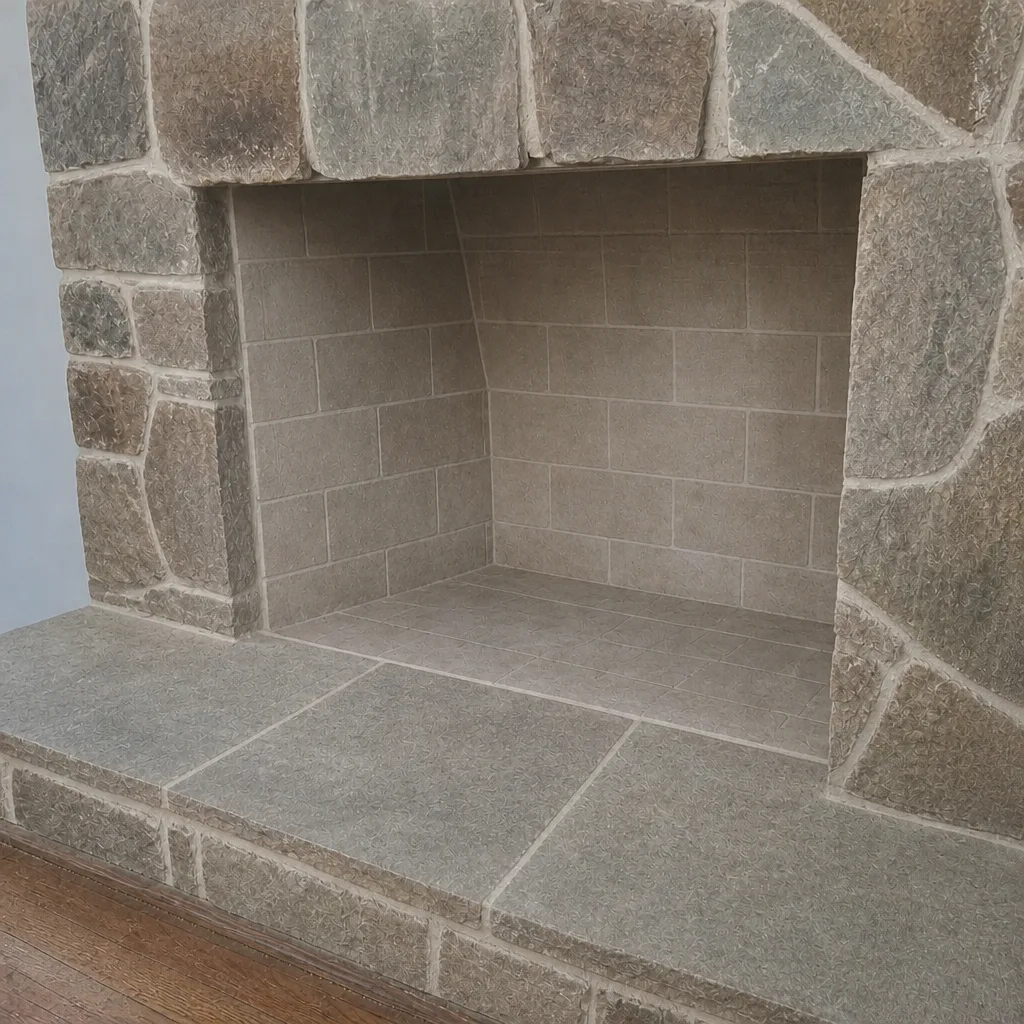
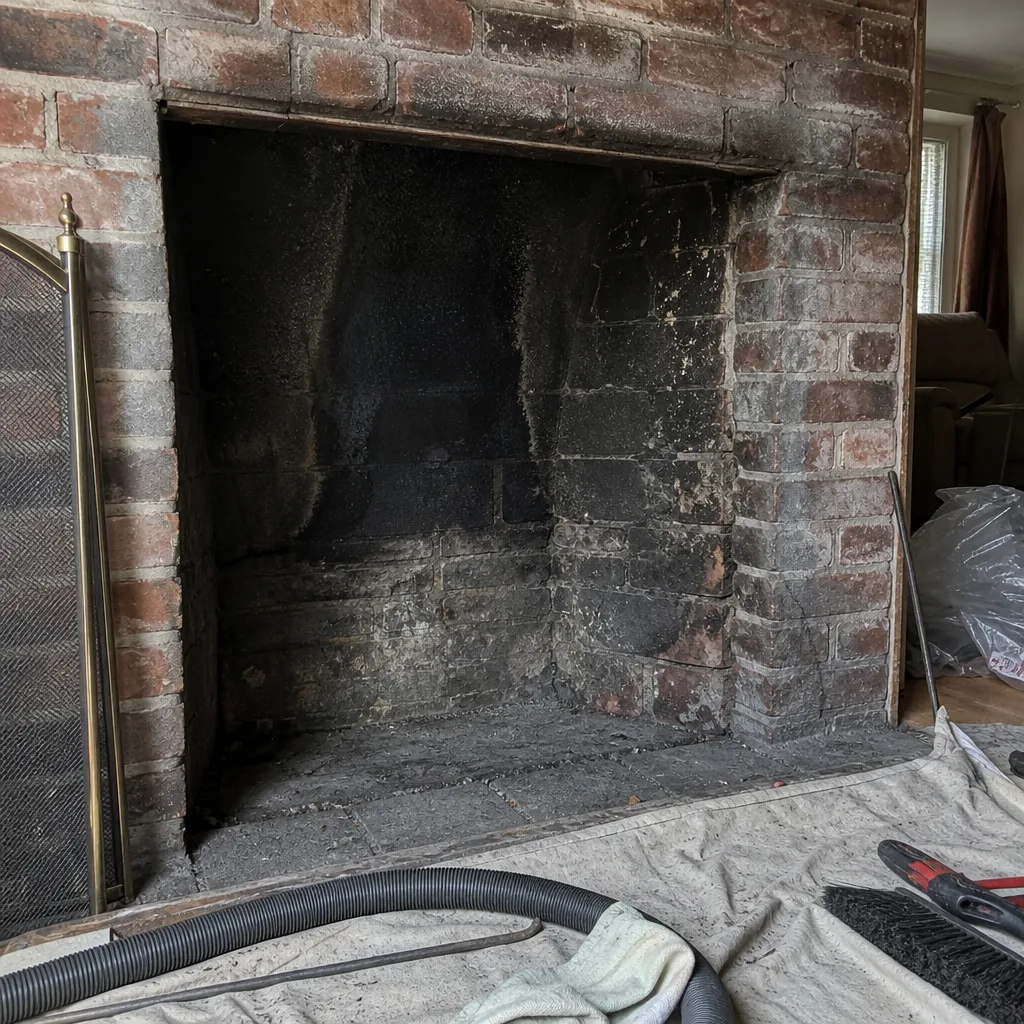
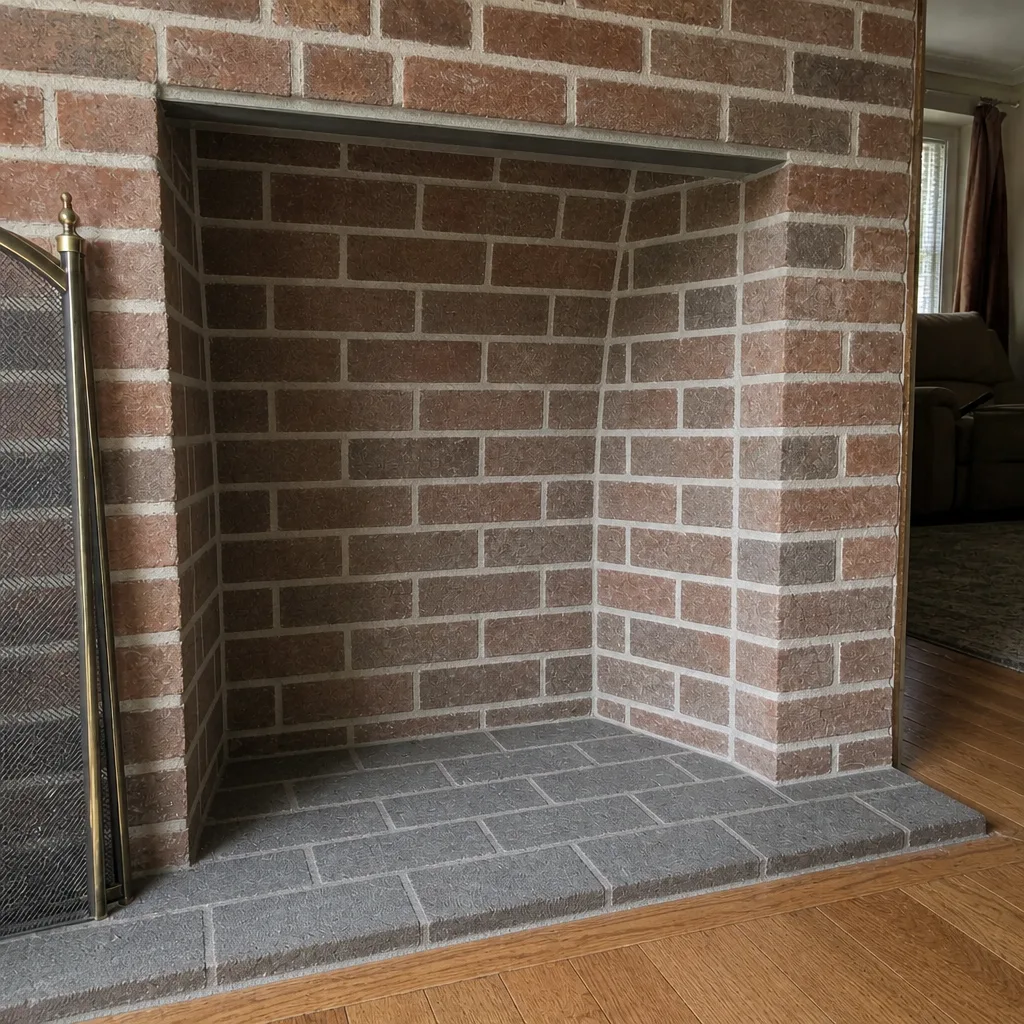
See the difference
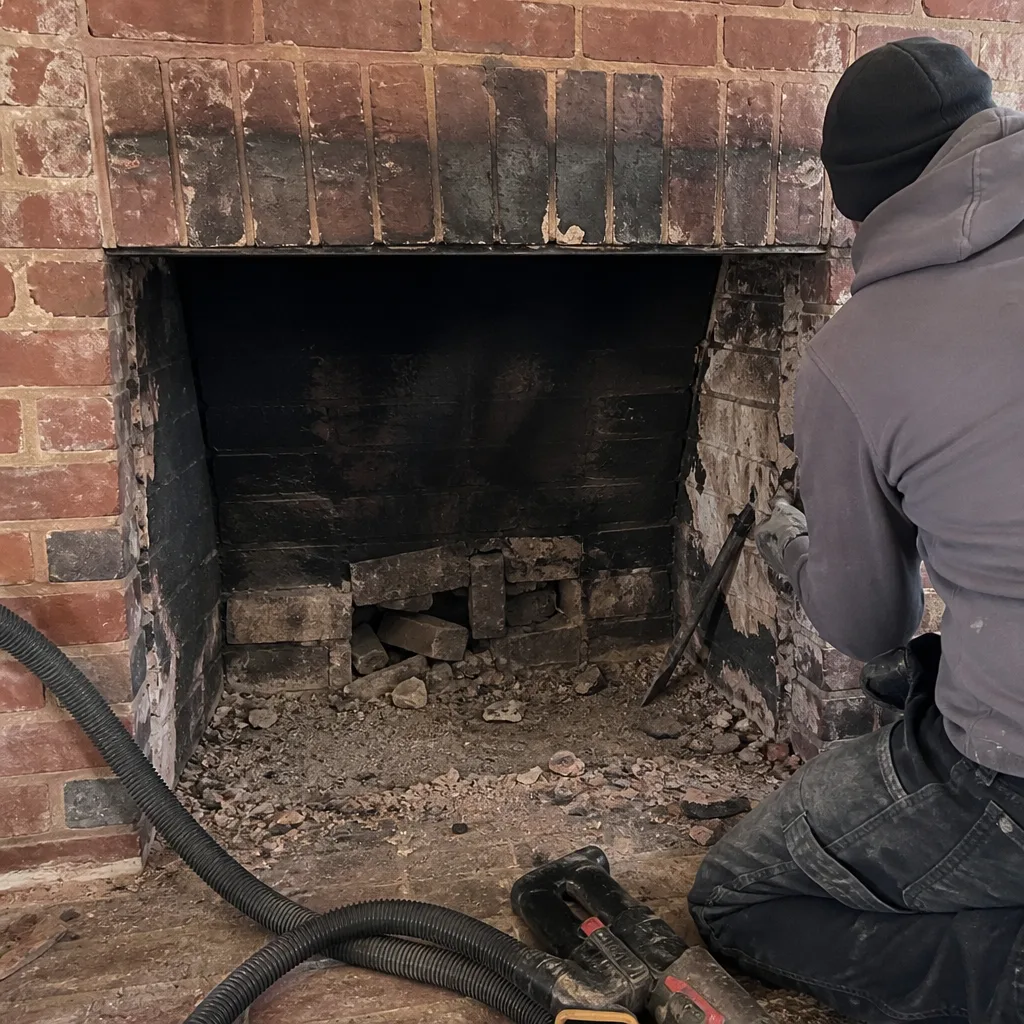 Before
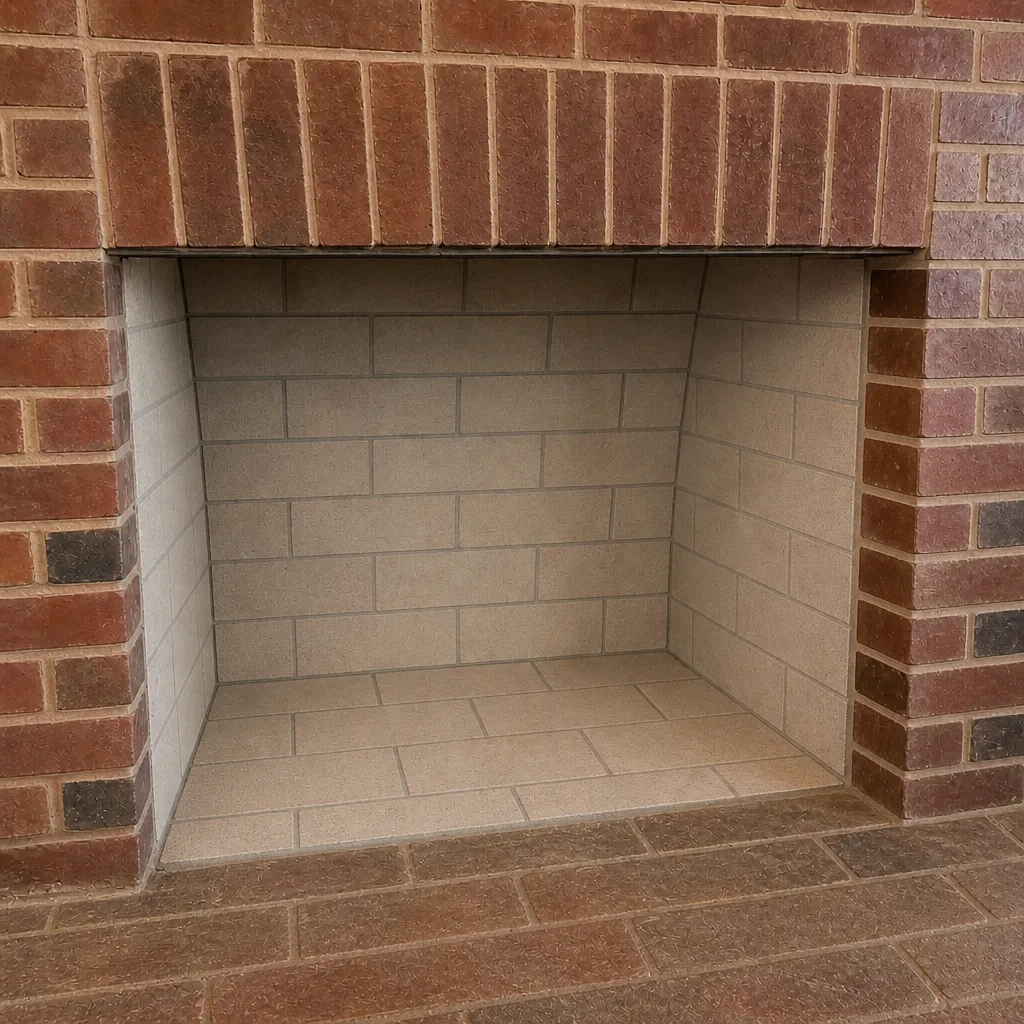 After
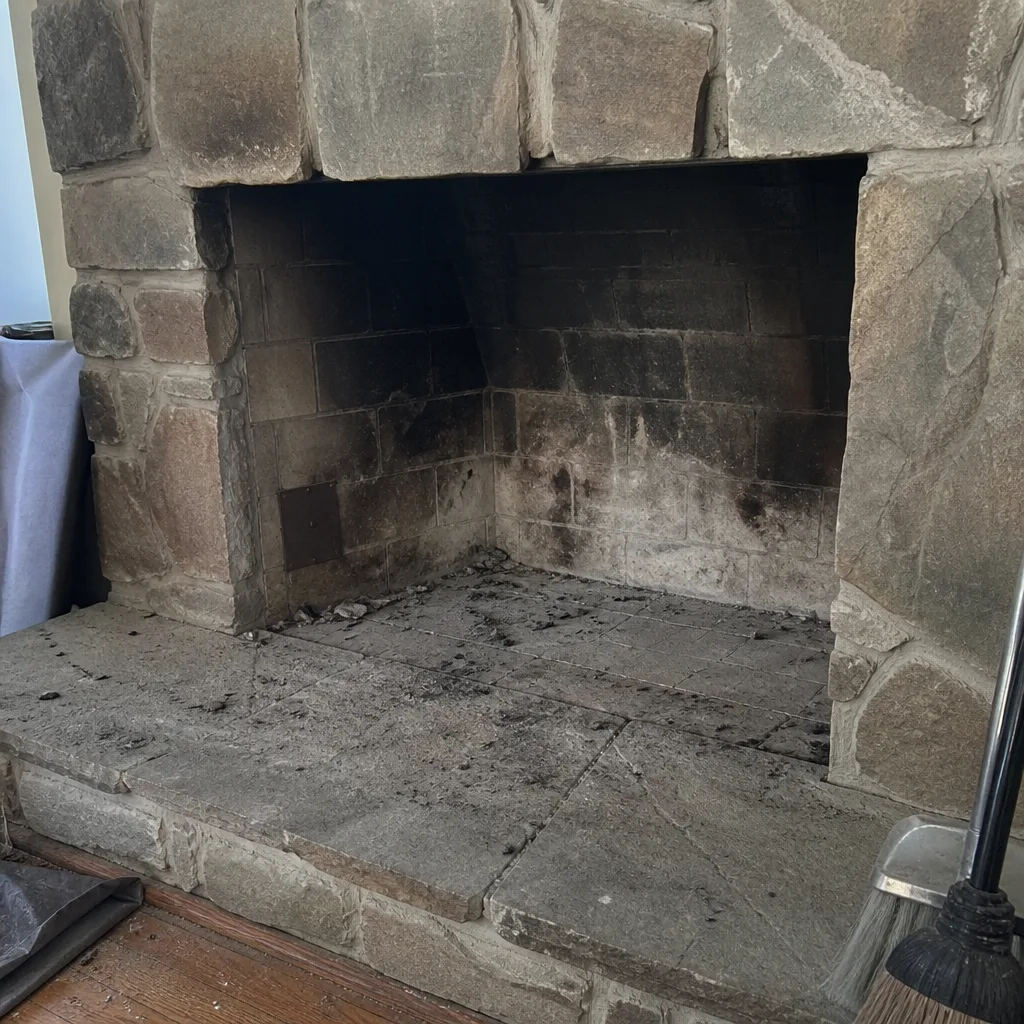 Before
 After
 Before
 After
When to Call a Professional
Chimney work is one of the few household systems where the dangerous parts cannot be safely inspected by a homeowner. The flue interior, the crown, and the liner require proper tools and a trained eye, and a compromised liner carries real fire and carbon-monoxide risk. Call a professional if you’ve moved into a new home, if it’s been more than a year since your last inspection or sweep, if you’ve had a chimney fire, if you’re switching appliances, if you see efflorescence or spalling on the exterior, or if you notice any draft, smell, or smoke problem that doesn’t have an obvious cause. Norfolk Chimney Cleaning offers free estimates in Norfolk. Call (844) 496-0079. We answer 24/7. Fast dispatch from 7am to 7pm, Sunday through Friday.
If you’re unsure which inspection level your chimney needs, that’s a question for a phone call, not a guess. We find out what the chimney’s history is, then recommend the level that matches it rather than the highest one on the menu. The same applies if you’re booking a sweep and want to know whether the liner needs a closer look; we’ll tell you honestly, and the report will show you why.
Frequently Asked Questions
A chimney inspection is priced per job by the written estimate, and the price depends on the level performed and the chimney’s condition. We set the price in writing before any work, and estimates are free. Lighting a fire in a chimney you haven’t had inspected costs nothing today and can cost real risk later. Call (844) 496-0079 for an exact quote.
Most Norfolk homeowners need a Level 2 inspection, which includes camera assessment of the flue. Level 2 is the standard when you’ve moved into a new home, added or swapped an appliance, had a chimney fire, or gone more than a year without a sweep. Level 1 is appropriate when the chimney’s history is known-good and unchanged. Level 3 is rare and only when a Level 2 finding requires direct confirmation.
Annual inspection is the baseline, and an annual sweep is recommended when creosote has built to a measurable layer. In Norfolk, the wet, humid climate means moisture-related problems can develop inside a single season, so the annual schedule is a floor rather than a ceiling. Call (844) 496-0079 to book your inspection before the season starts.
Drafting well doesn’t mean the liner is intact. A camera inspection is the only reliable way to see liner joint gaps and hairline cracks, which are the most consequential defects we find and the ones a visual sweep is most likely to miss. If the liner is fine, the camera confirms it. Call (844) 496-0079 to schedule one.
A proper report includes photos of every defect named, camera stills of the flue interior, the inspection level performed, measurements, a component-by-component condition note, and prioritized recommendations. It should not be a quote without evidence. If a recommendation says you need a new liner, the report should show you why.
In most cases yes. Liner restoration systems such as HeatShield and DuraFlex restore a failing flue from the inside, addressing joint gaps and cracks without removing the surrounding masonry. Replacement or rebuild is the right answer when the liner has collapsed or the masonry itself is failing. The right decision follows the inspection findings.
The Bottom Line
A chimney inspection in Norfolk is a diagnostic service shaped by local conditions: heavy rain, sustained humidity, clay soil movement, and older masonry stock. What matters is that the inspection includes a camera view of the flue, that the report shows you the evidence behind every recommendation, and that the level performed matches the chimney’s actual history. If a defect turns up, repair is usually possible without demolition, and the right specialist can take you from inspection through sweep and repair without handing you off. From first inspection to final repair: one specialist, one call. Call (844) 496-0079 for your free estimate. We answer 24/7, with fast dispatch from 7am to 7pm, Sunday through Friday. Written by the team at Norfolk Chimney Cleaning.
For more on the services covered in this guide, see Norfolk Chimney Cleaning and our full Norfolk service information.
Written by the team at Norfolk Chimney Cleaning.