
Last updated November 16, 2026
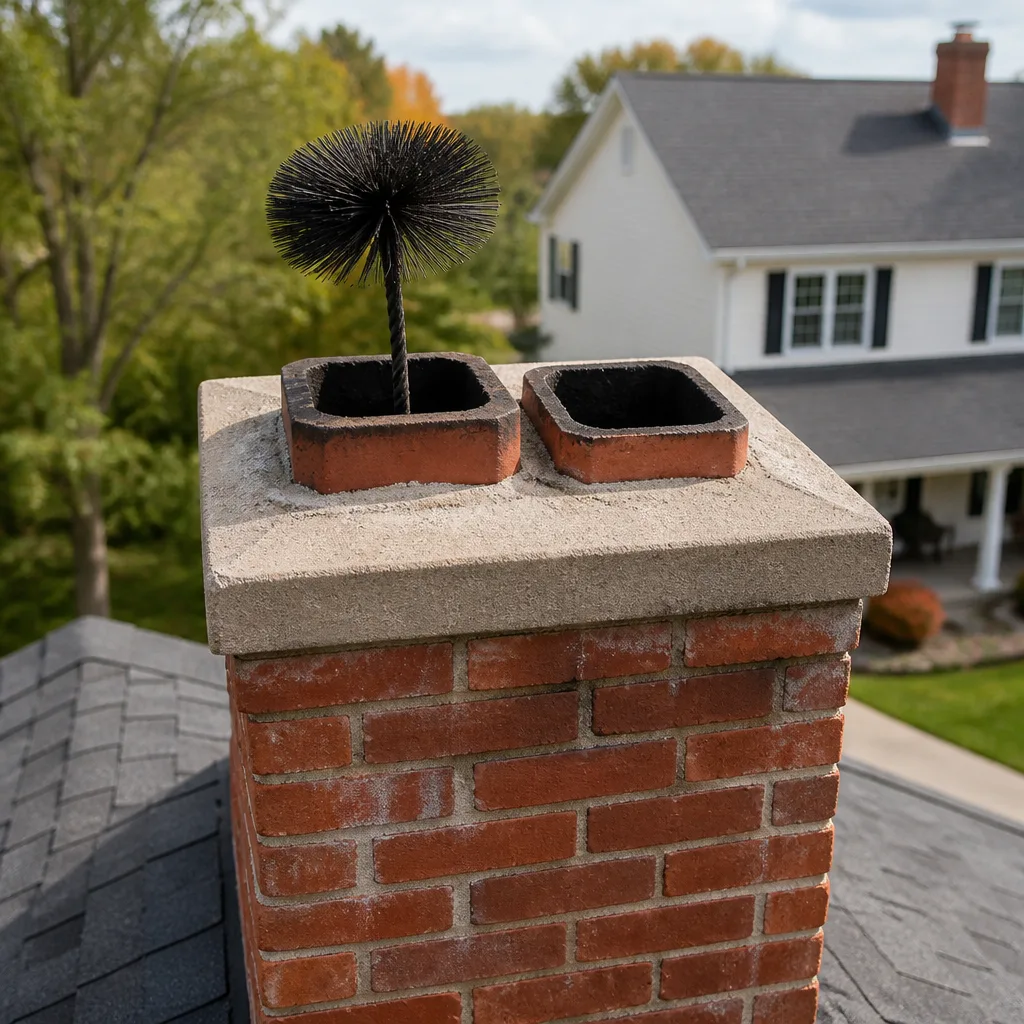 Sweep & inspection
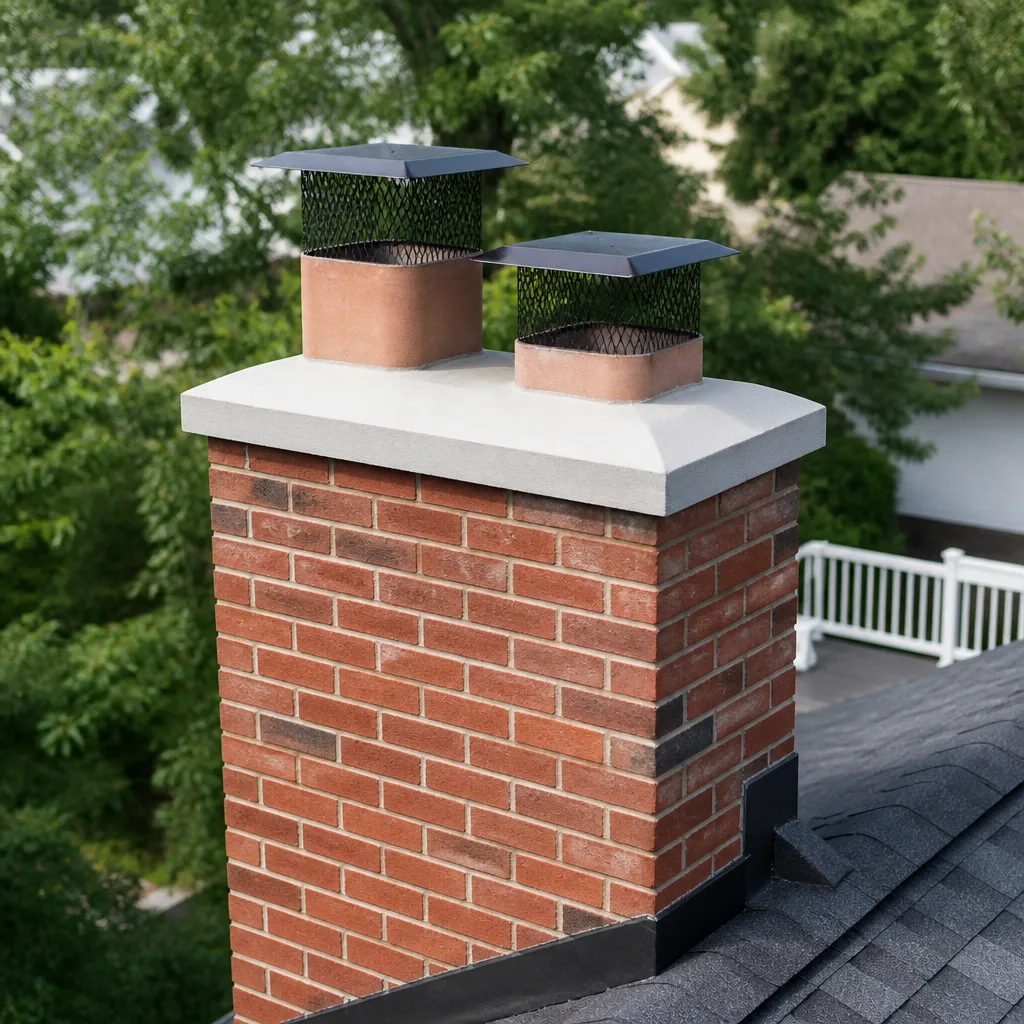 Caps & crowns
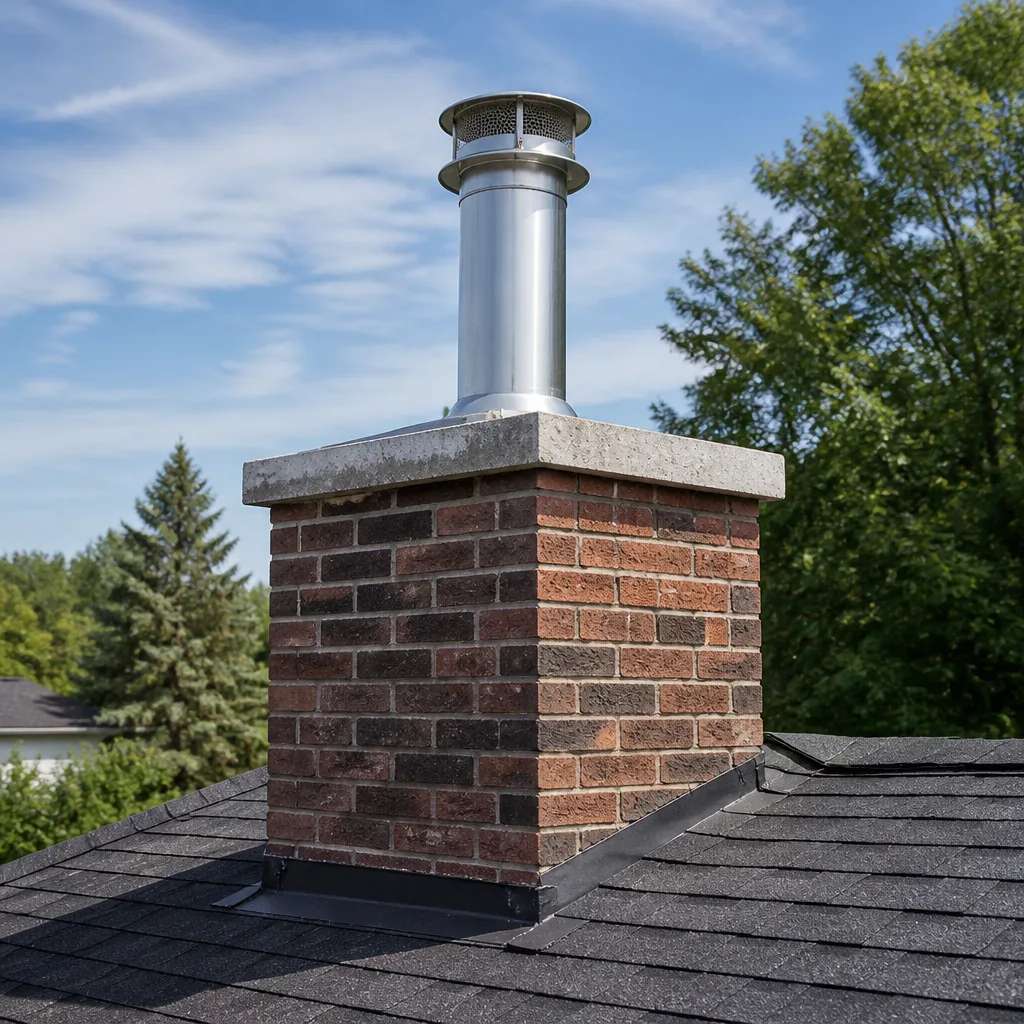 Flue relining
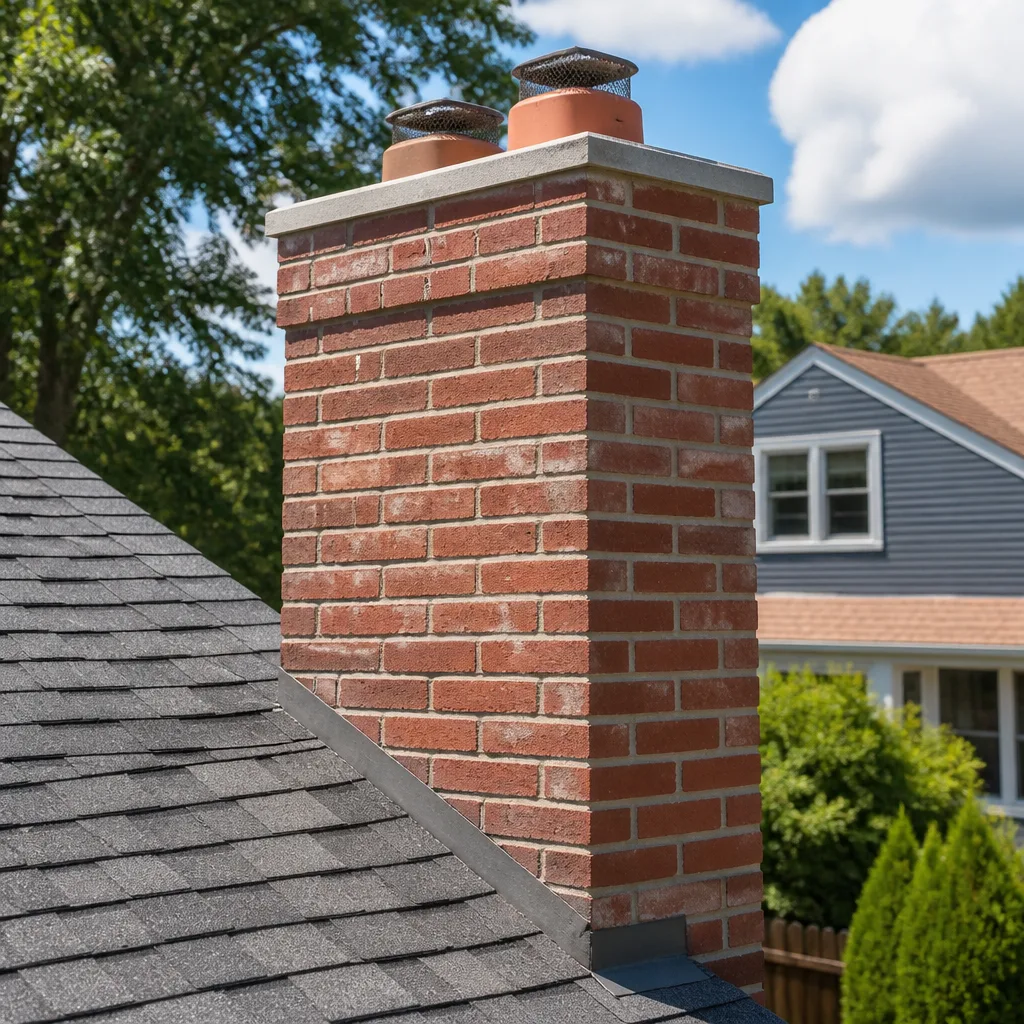 Masonry repair
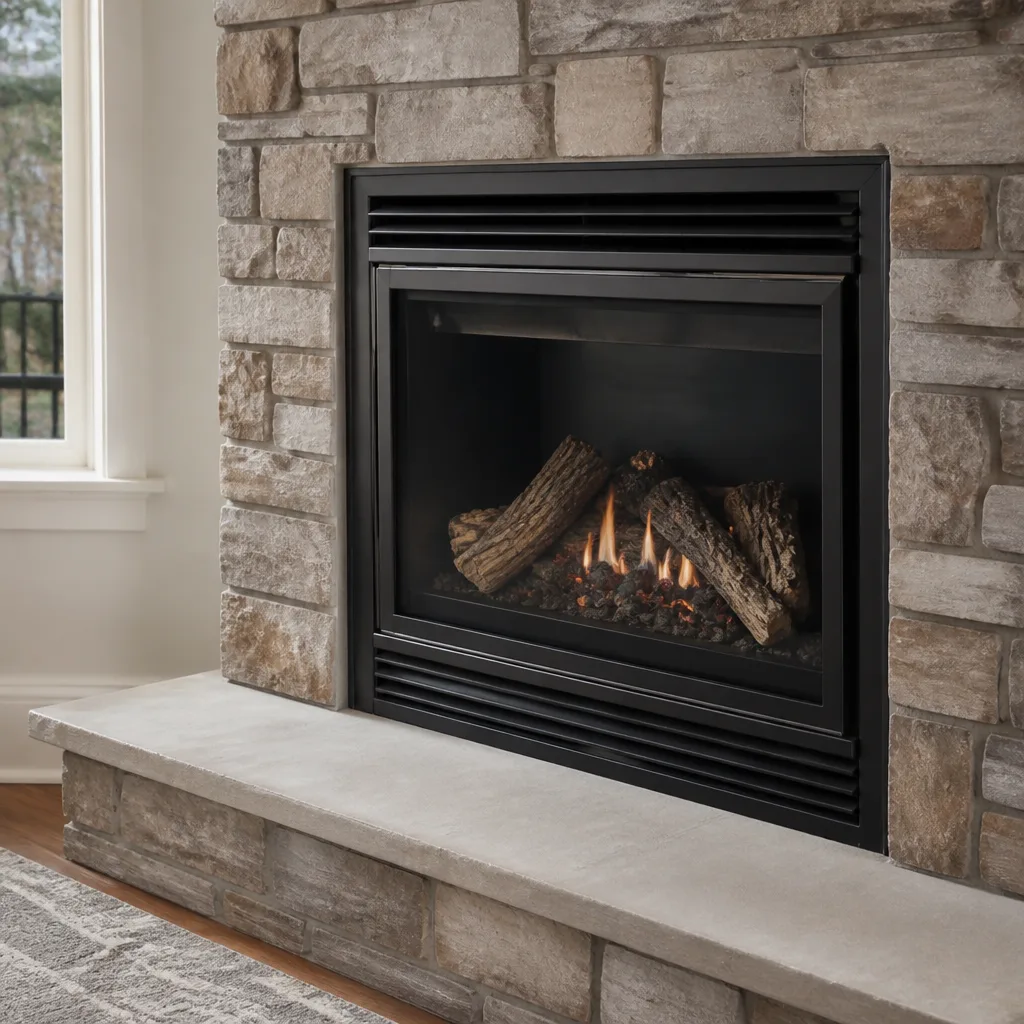 Gas fireplace service
Level 1 sweep and inspection to the NFPA 211 annual standard - flue, crown, cap, and flashing checked and photographed
Chimney sweep logs do not sweep chimneys. They loosen some creosote - which then falls where a brush and vacuum still have to collect it.
Chimney Cleaning Emergency Preparedness Guide for Norfolk Homes
Most homeowners think about their chimney the day it stops working. In Norfolk, the opposite habit saves trouble. The time to know your flue is clear isn’t the night a nor’easter takes the power out and the house is getting cold. It’s before the season starts. This guide covers how Hampton Roads storm patterns affect chimney readiness, what to check inside your home before you light a fire in emergency mode, how to spot storm debris blockage without reaching into the firebox, how to manage carbon monoxide risk during long burns, and what a storm event means for professional follow-up even when everything seemed fine. By the end, you’ll know what you can safely verify yourself and what needs a specialist on the roof.
Quick Answer
Chimney emergency preparedness in Norfolk means inspecting and sweeping your flue before storm season, not after the power goes out. Before any emergency burn, confirm the damper opens fully, the firebox is free of debris and water, and a carbon monoxide detector is working on every level. Any storm event that brings wind-driven rain, flooding, or flying debris into the flue calls for a professional inspection before the next fire, even if the chimney worked during the outage.
Styles & brands we work with
- Sweep & inspection
- Caps & crowns
- Flue relining
- Masonry repair
- Gas fireplace service
Table of Contents
- Why Norfolk Chimneys Face a Different Kind of Risk
- Pre-Storm Season Readiness Checklist for Hampton Roads Homes
- The Minimum Safety Check Before Emergency Fireplace Use
- How to Spot Storm Debris Blockage From Inside the Home
- Carbon Monoxide Management During Extended Emergency Heating
- Post-Emergency Inspection: What Requires Follow-Up
- What Older Norfolk Housing Stock Means for Your Chimney
- Common Mistakes to Avoid
- When to Call a Professional
- Frequently Asked Questions
- The Bottom Line
Why Norfolk Chimneys Face a Different Kind of Risk
After a major storm knocks out power across Norfolk, fireplace use climbs within hours. Homes that sat unused all summer suddenly become the only heat source on the block. And many of those fireplaces haven’t been cleaned or inspected in years. That gap between sudden demand and neglected maintenance is where chimney problems turn serious.
Norfolk sits in a pattern that produces both hurricane-season wind and rain and winter nor’easters that drive moisture sideways into chimneys. That combination matters. A flue that stays dry through the summer can take on water during a single storm, and wet creosote behaves differently than dry creosote. It’s stickier, it clogs more readily, and it burns hotter when it finally ignites.
The city’s housing stock adds another layer. Many Norfolk neighborhoods have masonry chimneys built decades ago, with clay tile liners that have had plenty of time to crack, spall, or separate at the joints. Older flues weren’t designed for the heat output of modern inserts or for the sustained burning that happens during a multi-day outage. In our experience, the chimneys that fail during emergencies are almost always the ones that hadn’t been looked at in a long stretch before the storm hit.
Emergency heating mode is not the time to find out your flue is blocked by storm debris or your damper won’t seal. Preparedness is a fall task, done while the weather is calm and you still have options.
Pre-Storm Season Readiness Checklist for Hampton Roads Homes
Norfolk’s storm calendar has two peaks: hurricane season running roughly June through November, and the winter nor’easters that arrive after that. The best window to prepare a chimney is late summer, before either pattern sets in. Here’s what a thorough pre-season routine covers, from the homeowner’s side and from ours.
What you can do yourself:
- Look at the firebox and damper. Open and close the damper several times. It should move freely and seat flush when closed.
- Check the firebox walls for new cracks, loose mortar, or white staining that wasn’t there last season.
- Test every carbon monoxide detector in the home, and confirm one is on each level and near sleeping areas.
- Look up the flue from the firebox with a flashlight. You should see a clear, continuous passage with no visible obstruction or heavy soot crust.
- Note any water staining on the ceiling or walls near the chimney. Interior staining after heavy rain is a sign the crown, flashing, or cap needs attention.
- Confirm you have a chimney cap in place. A cap keeps rain, birds, and wind-blown debris out of the flue.
What a professional evaluation should cover before storm season:
- A camera-based inspection of the flue interior, so cracks and joint separation are documented rather than guessed at.
- A sweep if creosote has built up to a level that warrants removal before the burning season begins.
- A look at the chimney exterior: crown condition, flashing at the roofline, mortar joints, and cap security.
- A written report of anything found, with a clear distinction between what needs attention now and what can safely wait.
If the inspection turns up a damaged liner, repair is often the right call rather than replacement. HeatShield resurfacing and DuraFlex liner systems both exist to restore a flue that’s still structurally sound, which is usually less disruptive than demolition. That’s part of why we offer a full-lifecycle service: inspection, sweep, and repair under one company. Norfolk Chimney Cleaning handles the whole arc, so nothing found on the roof gets handed off to a second contractor who has never seen the chimney.
The Minimum Safety Check Before Emergency Fireplace Use
Sometimes a storm arrives before the inspection does. If the power is out and the fireplace is your only heat, there’s a minimum set of checks you can and should do before the first fire. It won’t replace a professional evaluation, but it catches the failures that cause immediate danger.
Work through this in order:
- Open the damper and confirm it stays open. Reach up and feel that the plate moves fully clear of the flue opening. If it won’t stay open on its own, don’t light a fire.
- Shine a light up the flue from the firebox. You’re looking for a clear passage. Any solid obstruction, a nest, matted debris, or a visible collapse means stop.
- Smell the firebox when cold. A strong creosote smell or a sour, smoky odor suggests heavy buildup or a draft problem.
- Check the firebox floor and walls for water. Damp ash or water stains mean storm intrusion, and a wet firebox shouldn’t be used until it’s evaluated.
- Do a smoke test. Light a small rolled newspaper, hold it near the open damper, and watch. Smoke should rise steadily up the flue. If it rolls back into the room, the draft is compromised and the chimney isn’t safe to use.
- Confirm your CO detector is working before you burn anything.
If any of these checks fail, don’t burn. A cold house is uncomfortable. A blocked flue pushing carbon monoxide into living space is a different category of problem entirely.
There’s one thing you should never do during these checks: reach up into the flue or firebox to pull at debris. You can’t see what you’re touching, and creosote is corrosive and can be sharply crusted. Blockages get cleared from the top by a professional with the right tools and a camera to verify the result.
How to Spot Storm Debris Blockage From Inside the Home
Wind-driven debris is one of the most common post-storm chimney problems in Norfolk, and it’s almost always invisible from the ground. Leaves, twigs, and even small branches can land on top of the flue and sit there, and from the roof they look like nothing. From the firebox, you can usually tell.
Signs of storm debris blockage you can identify from inside:
- Smoke that won’t draft. A fire that smokes heavily into the room, or a smoke test where the smoke lingers or rolls back, points to an obstruction above.
- A visible pile-up in the flue. Looking up from the firebox with a flashlight, you may see an irregular mass rather than the smooth walls of the liner.
- Daylight where there shouldn’t be any. A proper flue shows a small, consistent square of light at the top. An irregular or blocked view suggests something is in the way.
- Animal or debris sounds. Scratching or rustling after a storm can mean a nest or debris has shifted.
- Water or damp ash in the firebox. If debris has partially blocked the top, rain can pool and work its way down.
The catch is that a partial blockage can look normal at a glance. The flue may still draw, just poorly, and a fire may burn with only a little smoke spilling at startup. That’s exactly the situation where a homeowner burns through an outage and assumes the chimney was fine. The right move after any significant storm is a camera inspection, which shows the flue top to bottom and confirms whether anything is sitting in it. Blockages are cleared with proper tools from the roof, and the camera lets us verify the flue is clear before recommending anything else.
Carbon Monoxide Management During Extended Emergency Heating
Carbon monoxide is the quietest risk in an extended outage. It’s colorless and odorless, and it builds from incomplete combustion or from exhaust that can’t escape the flue. A wood fire that burns too slowly, a partially closed damper, or a compromised flue can all send CO into the home instead of up and out.
How to manage CO risk during a long burn:
- Keep a detector on every level and near each sleeping area. Test them before the storm, not after.
- Never close the damper while there are hot embers. Wait until the fire is fully out and the firebox is cool.
- Burn dry, seasoned wood. Wet or unseasoned wood produces more smoke and more incomplete combustion.
- Don’t overload the firebox. A fire that’s smoldering under a heap of wood produces CO with very little useful heat.
- Keep a window cracked in the room with the fireplace during extended burns. This supports draft and gives a path for air exchange.
- Know the symptoms. Headache, dizziness, nausea, and confusion that improve when you leave the house and worsen when you return are red flags. Get everyone outside and call for help.
Norfolk’s older homes add a variable: early- and mid-century construction often has tighter interior envelopes than newer builds, which means CO that can’t draft up the flue has fewer places to escape. If your detector sounds during a burn, put the fire out if you safely can, open windows, leave the home, and don’t relight until the chimney has been professionally inspected.
For information on what a proper evaluation of your chimney in Norfolk covers, or to schedule a cleaning before the season catches you short, the team here is one call away.
Post-Emergency Inspection: What Requires Follow-Up
A chimney can survive an outage and still need an inspection. The most dangerous assumption after a storm is that a fire that burned fine means nothing happened. Several conditions leave the flue looking and acting normal while doing real damage behind the scenes. A camera inspection is the only way to confirm what happened inside the system during the storm.
Storm events that call for a professional follow-up before the next fire:
- Wind-driven rain that got past the cap or crown. Water in the flue softens masonry and degrades the liner.
- Any debris seen or suspected in the flue. A partial blockage can shift during the next burn.
- High winds that shook the house. Wind can shift a cap, loosen flashing, or crack mortar at the roofline.
- Flooding or roof leaks. Water finding its way to the chimney breast means the system needs evaluation.
- Any visible chimney damage from the ground. Missing cap, cracked crown, tilted chimney, or displaced bricks.
- A fire that burned but never drafted well. Poor draft during the outage means something changed in the system.
- Any smoke inside the living space during use. That warrants a camera inspection, full stop.
A follow-up inspection isn’t just a precaution. It documents the condition of the flue while the evidence of the storm is still fresh. If a liner crack or crown failure is found, that information tells you whether you’re looking at a straightforward chimney repair or a liner restoration with a product like HeatShield. Getting the camera in early means you’re working from actual evidence instead of a guess.
What Older Norfolk Housing Stock Means for Your Chimney
Norfolk’s neighborhoods span a wide range of construction eras, and that variety shows up in chimneys. Older masonry chimneys in the city were often built with clay tile liners set in mortar. Over decades, those joints can crack and separate, and the liner can spall from moisture and thermal cycling. None of that shows on the outside.
Two conditions in particular matter for storm preparedness:
- Clay tile liner joint failure. Gaps between tile sections allow creosote and gases to reach the surrounding masonry, which is a fire and CO risk. A camera inspection is how these get caught.
- Crown and flashing condition. A cracked crown or failed flashing lets storm water straight into the chimney structure. This is where a lot of interior water damage originates, long before it shows up as a ceiling stain.
Modern liners are one way to address an older flue. A stainless system such as DuraFlex can be installed within the existing chimney to create a continuous, sealed passage. For a flue that’s still structurally sound but has surface damage, HeatShield resurfacing can restore the interior without demolition. Both approaches work, and the right one depends on what the camera shows. That’s why we stock and install products from established names like HeatShield, DuraFlex, Gelco, Olympia Chimney, Famco, and Copperfield. These are the same materials chimney professionals use across the country, and specifying them means the repair matches the grade of the original build rather than patching over it.
If your chimney sweep in Norfolk turns up something that needs repair, the work stays in-house. You’re not handed off to a second contractor, and you don’t have to schedule a second visit to find out what the first one found.
See the difference
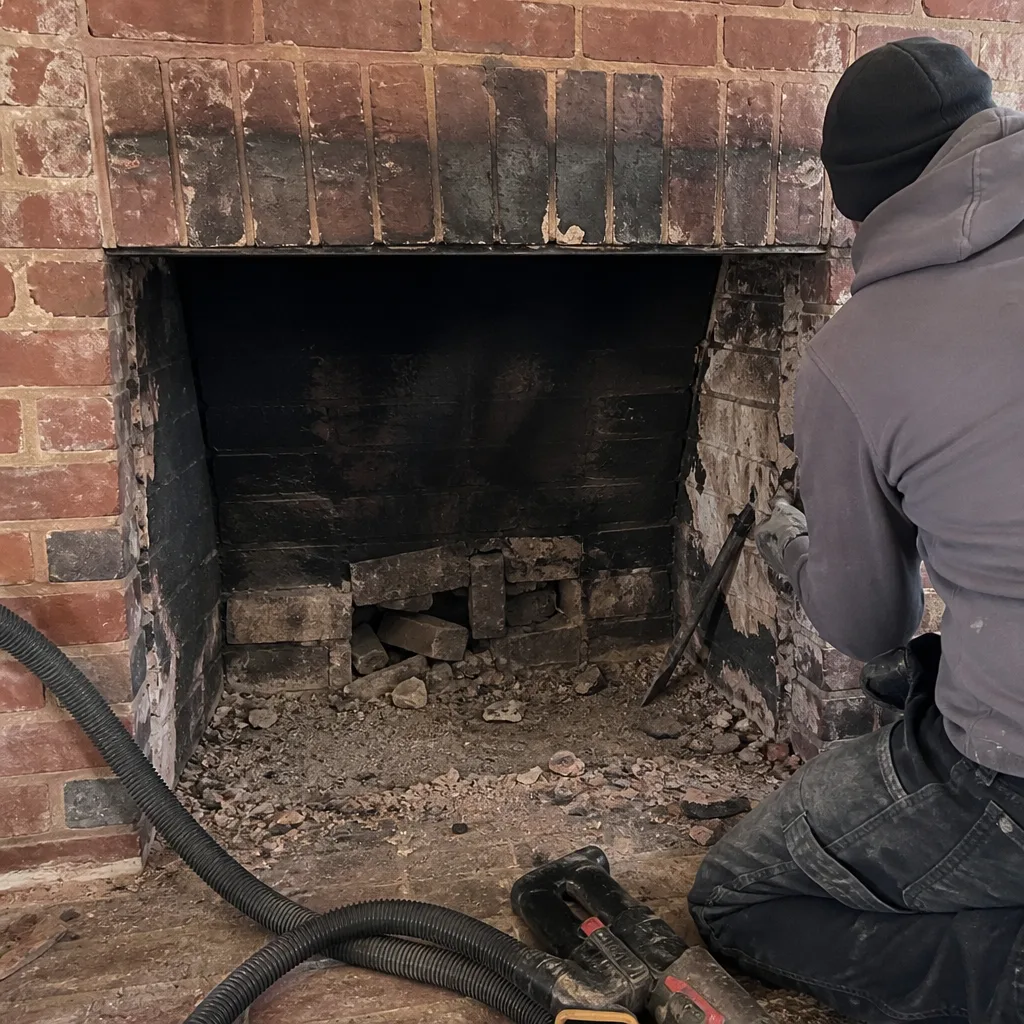 Before
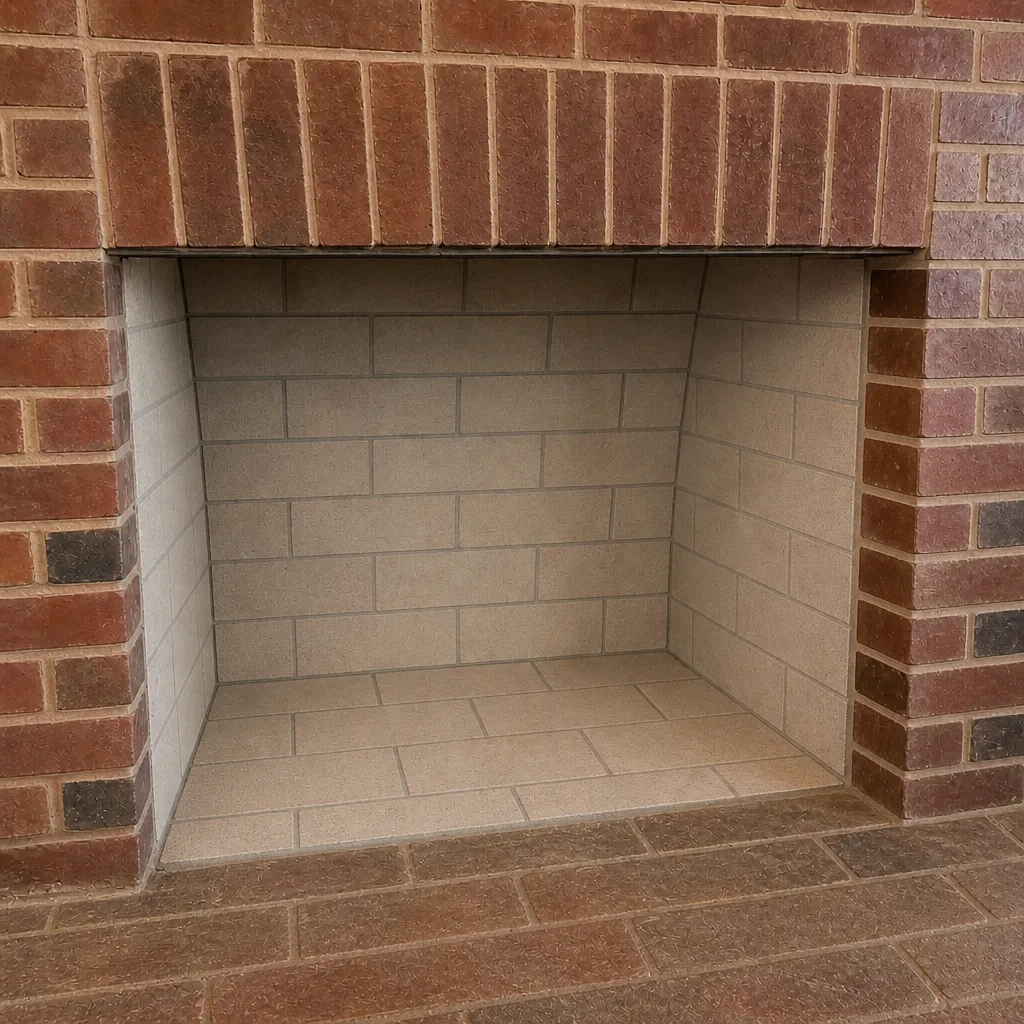 After
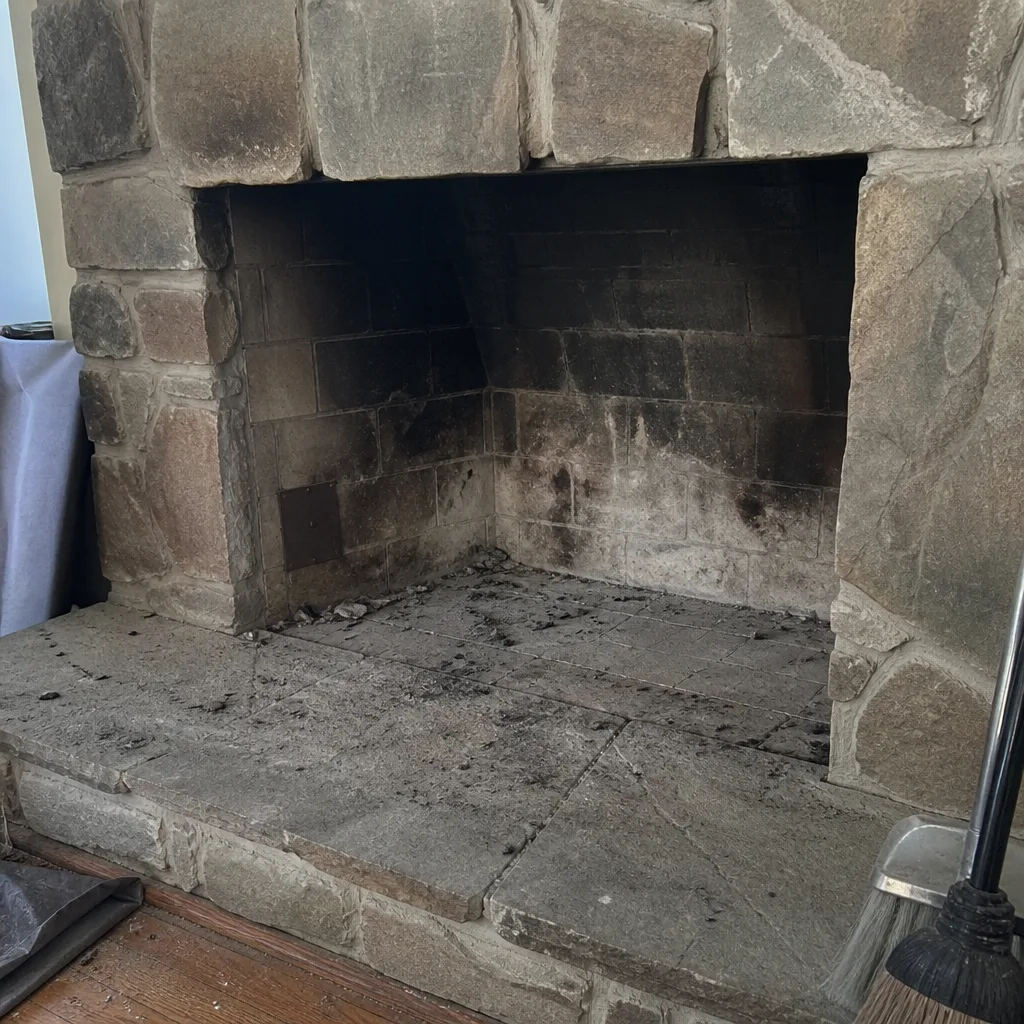 Before
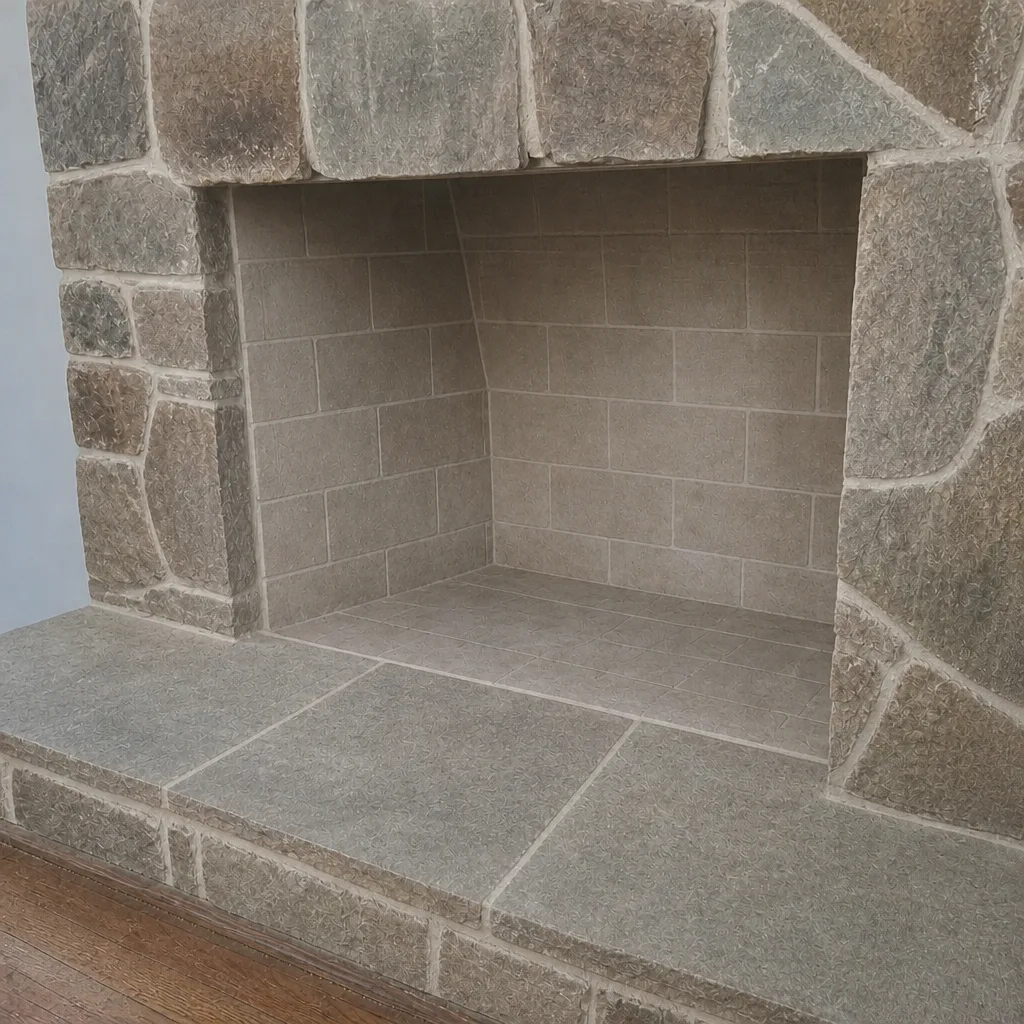 After
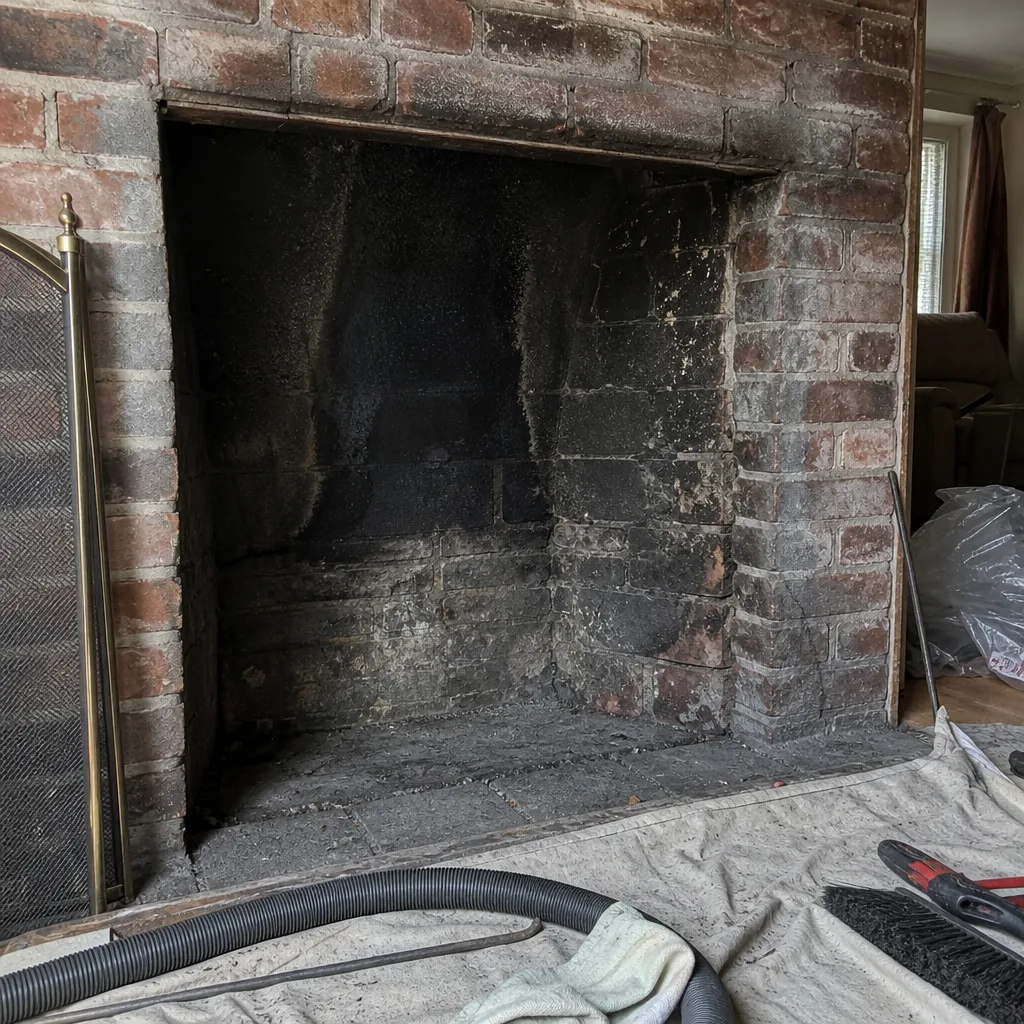 Before
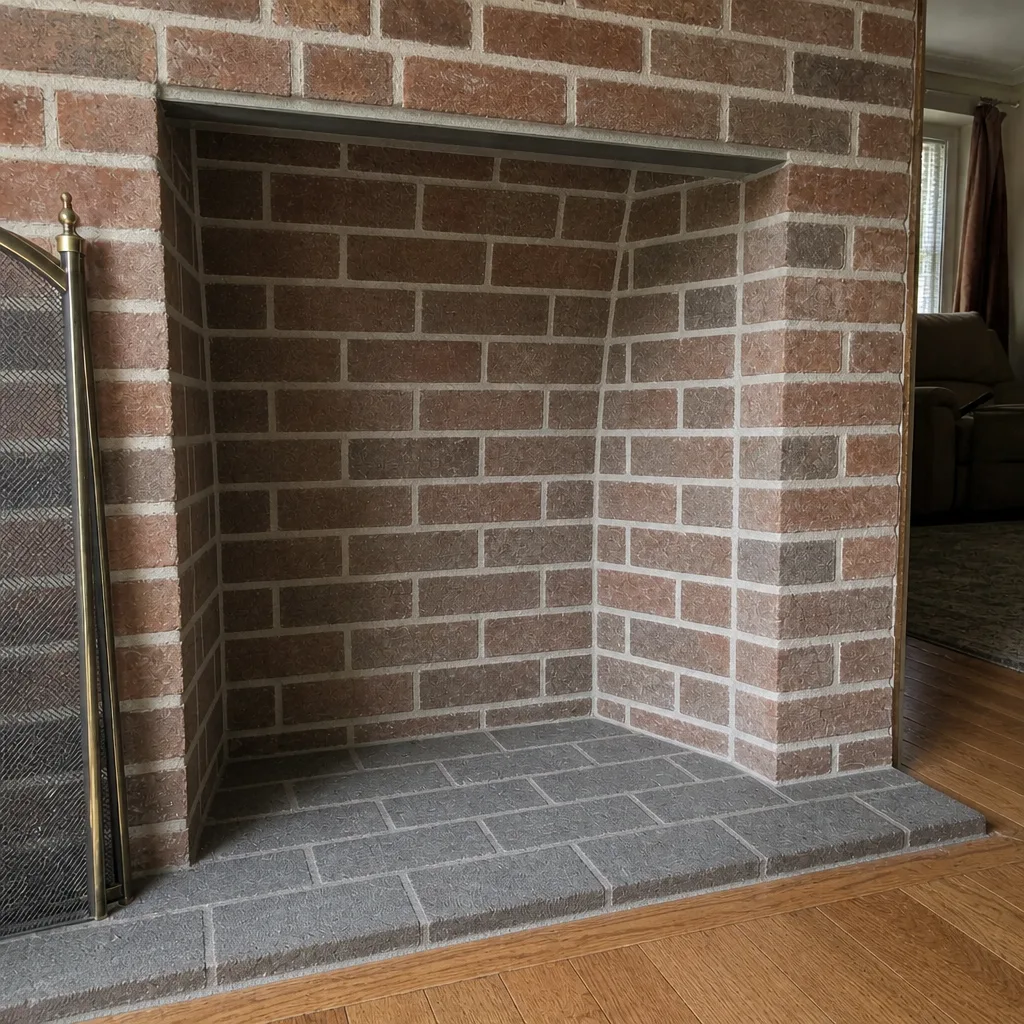 After
Common Mistakes to Avoid
These are the missteps we see most often, and in Norfolk’s storm-and-outage conditions each one carries more weight than a homeowner might expect.
- Waiting until the power is out to think about the chimney. Emergency heating is the worst time to find out your flue is blocked. Schedule the inspection before the season, while you still have options.
- Skipping the sweep because the chimney looks clean from the ground. Creosote buildup lives inside the flue, not on the roof line. The only way to know the condition is a camera and a sweep.
- Burning wet or unseasoned wood during an outage. It produces more creosote and more CO with less heat. Keep a dry, seasoned supply on hand before storm season.
- Not having a cap installed. A missing cap is one of the easiest ways for storm debris, rain, and animals to get into a flue. It’s a simple fix that pays off in every storm.
- Assuming a fire that burned fine means the chimney survived the storm. Partial debris blockages and liner cracks don’t always show up during use. Get a camera inspection after a significant storm event.
- Closing the damper with hot embers still in the firebox. This pushes CO into the room and can crack the flue. Wait until the fire is fully out.
- Skipping the CO detector test. During extended emergency burning, the detector is your only warning that combustion products aren’t escaping. Test it before the storm, not after.
One more worth mentioning: reaching into the flue to clear debris yourself. You can’t see what you’re touching, and creosote is corrosive and often sharply crusted. Blockages are cleared from the top with the right tools, and the result is verified with a camera.
When to Call a Professional
Some chimney problems call for a specialist on the roof. Call a professional if you spot smoke coming back into the room when a fire is lit, if a smoke test shows the draft is weak or reversed, if you see water or damp ash in the firebox after a storm, if any debris is visible or suspected in the flue, or if you haven’t had a chimney inspection, sweep, or repair in a while. Any storm event that brought wind-driven rain, high wind, or debris near the chimney warrants a camera inspection before the next burn, even if everything seemed to work fine during the outage. In Norfolk, a chimney that hasn’t been evaluated in a long stretch is the one most likely to fail during the next outage.
Norfolk Chimney Cleaning offers free estimates in Norfolk. Call (844) 496-0079. We answer 24/7. Fast dispatch from 7am to 7pm, Sunday through Friday. A call outside dispatch hours is booked into the next opening, Sunday through Friday, 7am to 7pm. Written estimates are prepared per job, and nothing is recommended without camera evidence you can see for yourself.
Frequently Asked Questions
A standard chimney sweep in Norfolk is typically quoted as a flat price after an inspection of the flue, and the written estimate sets the final number. The price depends on the level of creosote, the flue type, and whether any repair work is needed. Call (844) 496-0079 for an exact quote. Estimates are free.
Not always. A flue that’s structurally sound but has surface damage or joint gaps can often be restored with HeatShield resurfacing or a DuraFlex liner system rather than replaced entirely. The only way to know which path is right is a camera inspection that shows the actual condition of the flue. We inspect before we recommend, and you see the evidence before any decision. Call (844) 496-0079 to schedule the inspection.
Most homes burning wood should have the chimney swept once a year, and more often if the fireplace is used heavily or the wood is unseasoned. In Norfolk, the storm-and-outage pattern means a pre-season sweep in late summer makes the most sense, so the flue is clean and clear before you need it in an emergency. Call (844) 496-0079 to book a sweep before the season.
Creosote builds up inside the flue and becomes the fuel for a chimney fire, and a blocked or damaged flue can send carbon monoxide into the home instead of up and out. The risk grows quietly, which is why a fire that “works” doesn’t mean the system is safe. In our experience, the chimneys that fail during an outage are the ones that went the longest without an inspection. Call (844) 496-0079 to schedule an inspection and find out where your chimney stands.
Any storm that brings wind-driven rain, high wind, or debris near the chimney warrants a professional inspection before the next burn, even if the fireplace seemed to work fine during the outage. A partial debris blockage or a cracked liner joint can leave the flue looking normal while doing real damage behind the scenes. A camera inspection catches both. Call (844) 496-0079 to schedule one.
Yes, if the damper opens fully, the flue is clear, the firebox is dry, and a working CO detector is on each level. If any of those checks fail, don’t burn until a professional has evaluated the chimney. A blocked or compromised flue during emergency heating is a CO risk, and that’s exactly when you don’t want to be guessing. Call (844) 496-0079 if you’re unsure.
The Bottom Line
Norfolk’s storm seasons and power outages push fireplace use up at exactly the moment chimneys are least likely to have been recently inspected. The fix is preparation done while the weather is calm: a pre-season sweep and camera inspection, a cap in place, a tested CO detector on every level, and dry seasoned wood on hand. After any storm that brought wind, rain, or debris, a professional inspection confirms the flue is still clear and structurally sound before the next fire. Keep a sweep and inspection on the fall calendar and emergency heating stops being a gamble.
Call (844) 496-0079 for a free estimate. We answer 24/7. Fast dispatch from 7am to 7pm, Sunday through Friday. A written estimate sets the price per job, and nothing is recommended without camera evidence.
Written by the team at Norfolk Chimney Cleaning.