
Last updated November 16, 2026
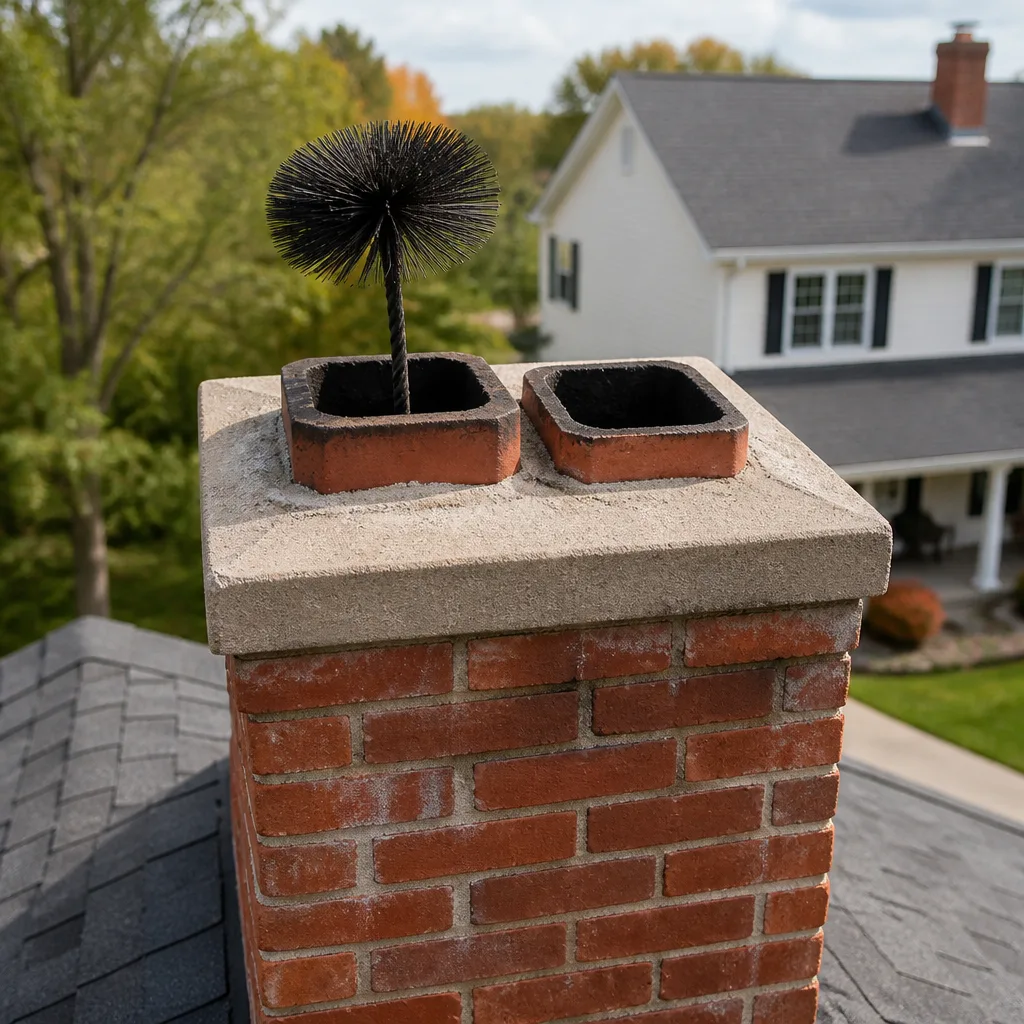 Sweep & inspection
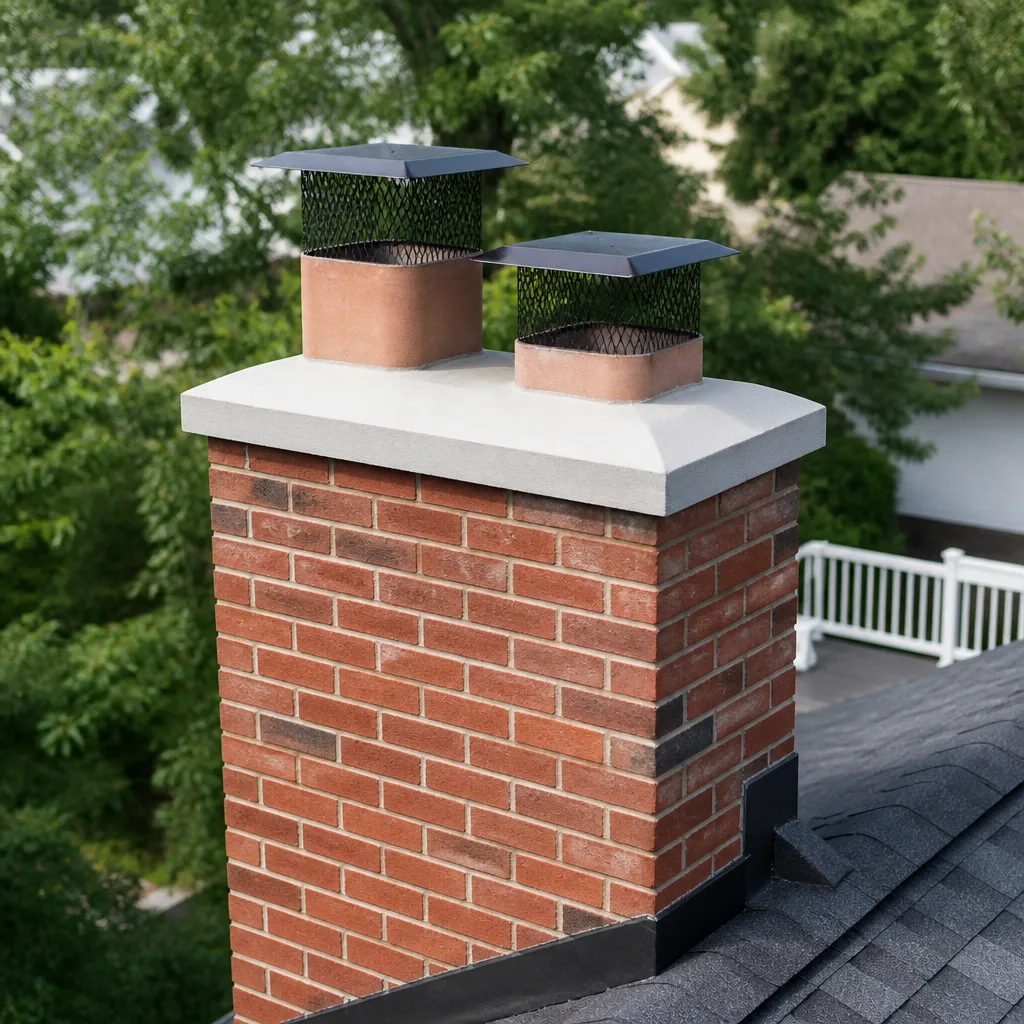 Caps & crowns
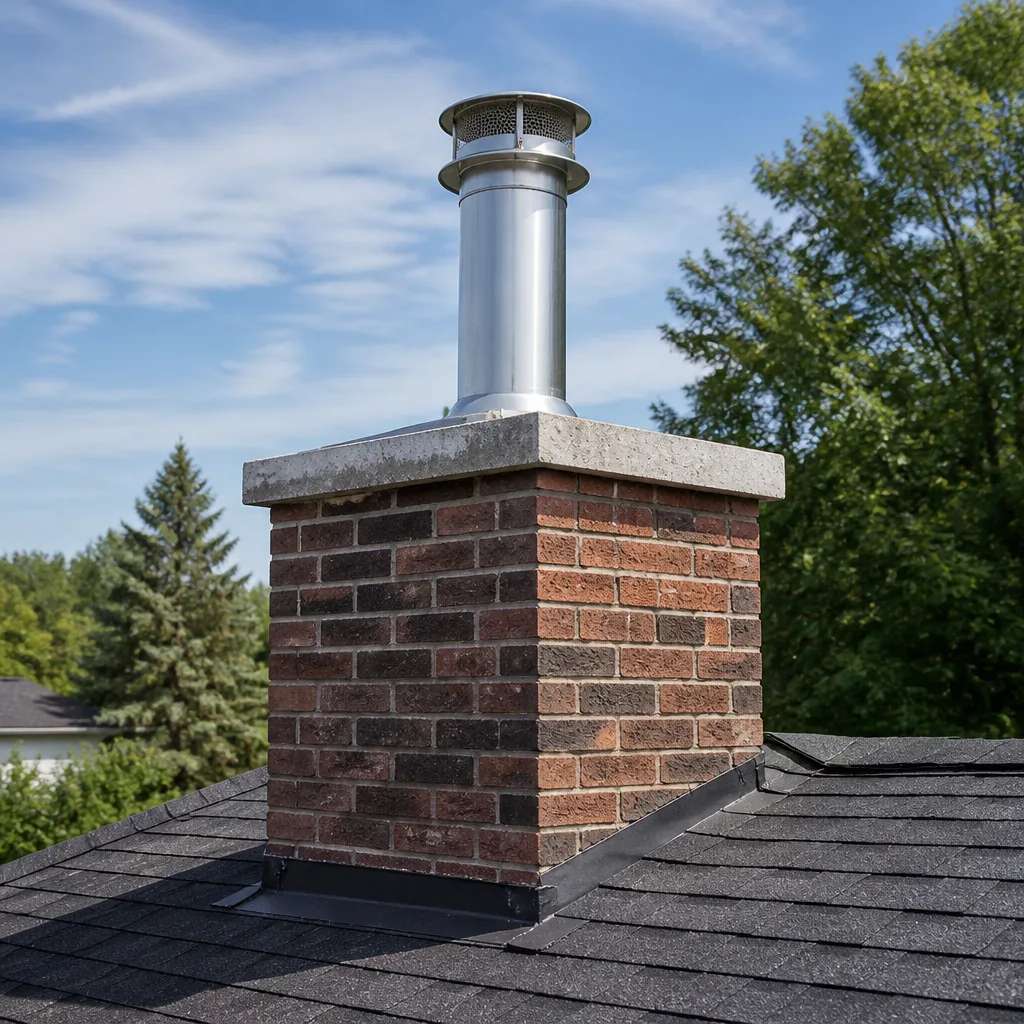 Flue relining
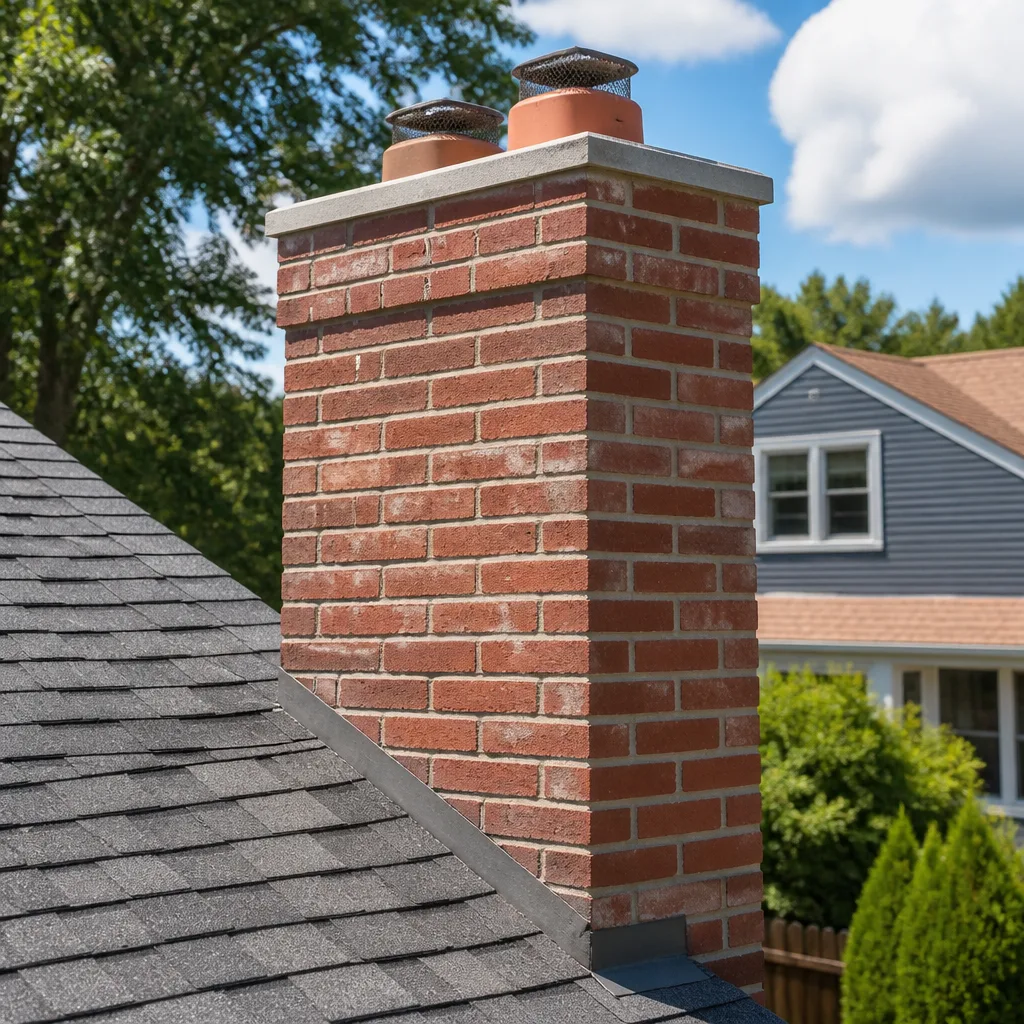 Masonry repair
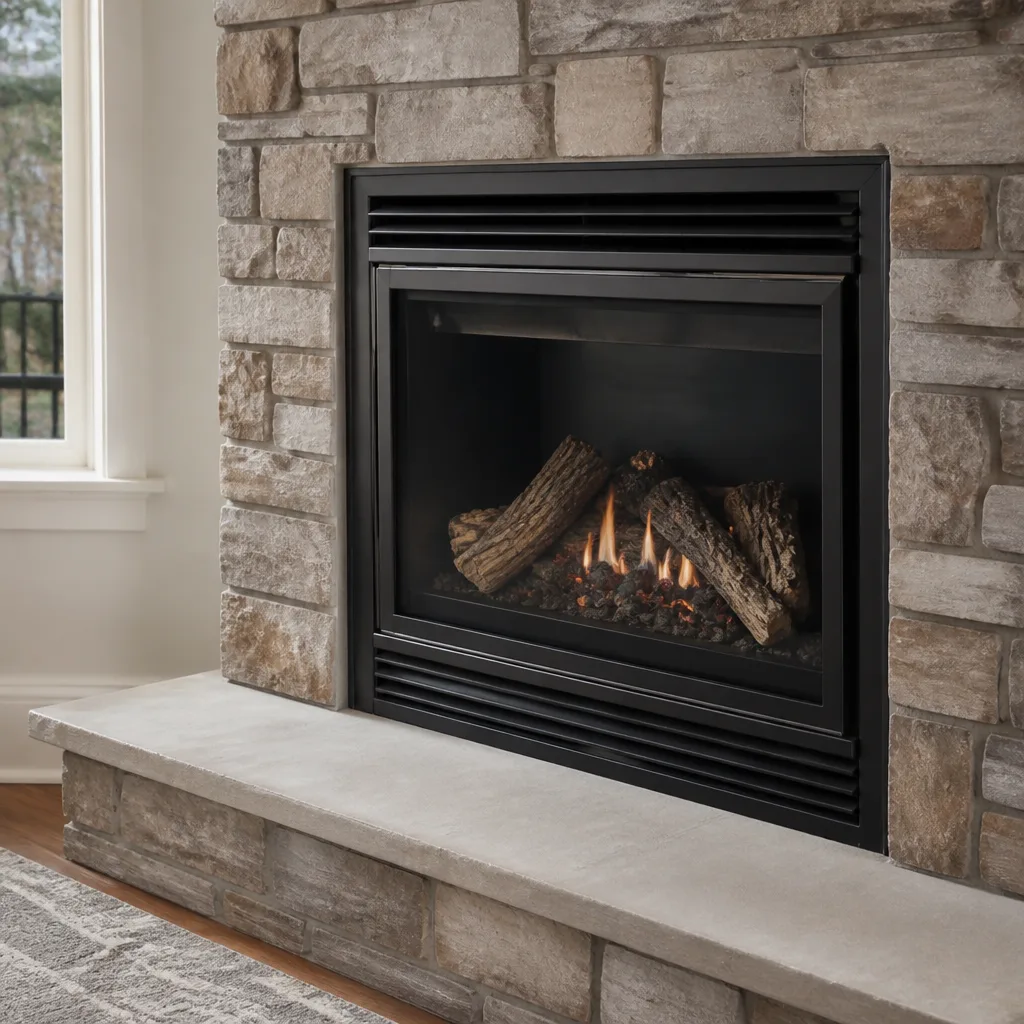 Gas fireplace service
Level 1 sweep and inspection to the NFPA 211 annual standard - flue, crown, cap, and flashing checked and photographed
Chimney sweep logs do not sweep chimneys. They loosen some creosote - which then falls where a brush and vacuum still have to collect it.
Chimney Cleaning Permits, Codes & Inspections in Norfolk, VA: What You Need to Know
Most routine chimney sweeping in Norfolk doesn’t require a permit. That’s the part people expect. The surprise is how quickly the work crosses into permit territory: a new stainless liner, a rebuilt firebox, a crown that’s been re-poured, even a structural cap. In our experience, homeowners often discover this during a home sale, when a buyer’s inspector flags work that was never inspected and the paperwork trail goes cold. The new owner inherits the liability, and the seller is left explaining a project they thought was finished. This guide draws the line clearly between cleaning and construction, explains how Virginia’s building code applies to chimney systems, and shows you how to verify a permit before a single piece of work starts in Norfolk.
Quick Answer
A routine chimney sweep in Norfolk generally does not require a building permit. Anything that changes the structure or venting of the chimney system does: liner replacement, firebox reconstruction, crown rebuilding, and structural cap work all fall under the Virginia Uniform Statewide Building Code and require a permit through the Norfolk Department of Development. A proper chimney inspection, especially for a real estate transaction, documents the condition of the flue and venting so you know which category a given job falls into before work begins.
Styles & brands we work with
- Sweep & inspection
- Caps & crowns
- Flue relining
- Masonry repair
- Gas fireplace service
Table of Contents
- Where Cleaning Ends and Permitted Work Begins
- How Virginia’s Code and the IRC Govern Chimney Systems
- The Insurance Problem With Unpermitted Chimney Work
- Code-Compliant Inspection Reports vs. Standard Sweep Reports
- How to Verify a Permit in Norfolk
- Older Housing Stock and Chimney Code in Norfolk Neighborhoods
- When to Call a Professional
- Frequently Asked Questions
Where Cleaning Ends and Permitted Work Begins
The cleanest way to understand the permit threshold in Norfolk is to separate maintenance from construction. Maintenance keeps the system working as designed. Construction changes the system itself. Most of the confusion we encounter comes from a homeowner or a general handyman treating a construction job like a maintenance task.
Routine cleaning and maintenance that typically does not require a permit:
- Sweeping the flue to remove creosote and soot
- A visual or camera inspection of the firebox, smoke chamber, and flue
- Replacing a chimney cap of the same type and size
- Minor mortar touch-ups on the firebox or smoke chamber joints that don’t alter the structure
Work that generally crosses into permit territory under the Virginia Uniform Statewide Building Code:
- Liner replacement or relining – a new stainless or cast-in-place liner changes the venting pathway and must meet sizing and material requirements
- Firebox reconstruction – rebuilding the firebox or smoke chamber is structural masonry work
- Crown rebuilding – re-pouring or replacing the chimney crown falls under the masonry and weatherproofing requirements of the code
- Structural cap work – a full masonry cap rebuild, not a simple spark arrestor swap, is treated as structural
- Any change to the flue’s venting capacity – adding an insert with a new liner, changing flue diameter, or re-routing a flue
The key fact for Norfolk homeowners: the permit is not about making a job harder. It’s about ensuring that a licensed inspector reviews the structural and venting work before the wall goes back up or the crown gets sealed. If a contractor proposes liner replacement on a masonry chimney in Norfolk and doesn’t mention a permit, that’s a conversation worth having before work starts.
How Virginia’s Code and the IRC Govern Chimney Systems
Virginia adopts the International Residential Code and International Mechanical Code statewide through the Uniform Statewide Building Code, with local amendments added at the city level. The 2021 Virginia Mechanical Code references the IRC’s chimney and vent requirements, and those requirements matter most when work changes the flue. In our experience, the point where homeowners get caught out is liner sizing: a replacement liner that’s too large for the appliance doesn’t vent correctly, and the code addresses that specifically.
What the code actually governs, in plain terms:
- Liner sizing. The flue liner must be sized to the appliance’s venting requirements. A wood-burning fireplace needs a different liner than a gas insert, and a replacement liner has to match the appliance it serves. Getting this wrong is a common reason a chimney smokes, drafts poorly, or produces more creosote than it should.
- Material requirements. Liners must be listed and labeled for the application. Stainless systems like those from DuraFlex and cast-in-place restoration systems like HeatShield are recognized ways to restore a flue to code-compliant condition without full demolition, provided the installed system meets the listing requirements for the appliance and fuel type.
- Clearance to combustibles. The code specifies minimum clearances between the chimney structure and framing or other combustible material. This is largely a masonry construction concern, but liner installations can affect it if the original chase has deteriorated.
- Venting termination. The height and termination of the flue are specified in the code. Changes to the chimney height or cap type affect this.
Norfolk’s local amendments layer onto the state code, but the practical takeaway is consistent: any work that changes the venting pathway of the chimney system should be reviewed by the Department of Development before it’s installed. For an overview of the services that typically fall under this, see our chimney repair page. A repair that restores a flue to original condition may stay below the permit line; a repair that changes the flue’s capacity almost always crosses it.
The Insurance Problem With Unpermitted Chimney Work
Homeowners rarely think about chimney work and homeowners insurance in the same thought until something goes wrong. The connection is straightforward: most homeowner policies require the dwelling to meet code and to have permits for structural work. Unpermitted chimney work can become a claim problem after a chimney fire or a smoke event, and it’s not a story about an inspector being vindictive. It’s a documentation gap.
When an adjuster reviews a claim, they look for evidence that the chimney system was maintained and that any recent work was permitted and inspected. If a liner was replaced without a permit, the claim can be denied or reduced because the insurer has no independent record that the installation was done to code. In our experience in Norfolk, this surfaces most often after a chimney fire where the fire damaged the liner, or after a smoke event that traced back to a badly sized liner.
The permit accomplishes three things for a homeowner:
- It creates an independent record that the work was reviewed by a licensed inspector.
- It confirms the liner or structure was installed to the code in force at the time.
- It gives you documentation you can hand to an insurer or a buyer’s inspector without having to reconstruct the job from memory.
If work has already been done, an inspection can document the current condition. A sweep report is not the same as a permit, but a professional inspection gives you a written record of what’s in the flue. Our chimney sweep page explains what a sweep includes and how it differs from an inspection report.
Code-Compliant Inspection Reports vs. Standard Sweep Reports
A chimney inspection and a chimney sweep are not the same service, and the report you get reflects that difference. This matters most in a Norfolk real estate transaction, where a buyer’s inspector or a lender may want documentation that goes beyond “the flue was cleaned.”
A standard sweep report typically covers:
- Date of service and the level of service performed
- The extent of creosote or soot removed
- Obvious visual observations about the firebox and flue
- Any conditions noted during the sweep that warrant a follow-up
A code-referenced inspection report, prepared to the industry standard for a real estate transaction, generally includes:
- Level of inspection performed (visual, accessible portions, or full camera inspection of the flue interior)
- Flue interior assessment with photo documentation, especially of cracking, gaps, or a deteriorated liner
- Firebox, smoke chamber, and damper condition, described in specific terms
- Clearance observations from accessible areas of the chimney chase and roof penetration
- Venting and liner sizing notes relevant to the appliance
- Photo report documenting the conditions observed, so the reader can see the evidence rather than take it on faith
For a Norfolk home sale, ask for the inspection report, not just the sweep invoice. An inspection is available as a standalone service, which is useful when you want an objective assessment before any repair is recommended. That’s the same principle behind the position we take in this guide: we inspect before we recommend. The report should let a buyer, an inspector, or an insurer draw their own conclusion from what’s in the photo documentation.
How to Verify a Permit in Norfolk
The permit belongs to the property, not the contractor, so a homeowner has a right to ask for and confirm it. The Norfolk Department of Development handles permits for chimney and masonry work, and the process is more transparent than most homeowners assume.
Here’s how to verify a permit before work begins:
- Ask for the permit number in writing. A contractor who intends to pull a permit should be able to give you a number before the work starts, not after.
- Confirm the permit is for the right scope. A permit for a “chimney repair” that doesn’t mention relining when a liner is being installed is a mismatch worth catching early.
- Call the Norfolk Department of Development and confirm the permit is active and the scope matches the work being proposed. The Department can confirm the permit status over the phone.
- Confirm the contractor is licensed to perform the work. Chimney relining and masonry work require the appropriate Virginia contractor license for the scope. A sweep-only company may not hold the license class for structural work.
- Ask for the inspection schedule. Most structural work requires at least one inspection before the work is closed up. Ask when the inspector is coming and who is responsible for requesting the inspection.
- Ask for the final inspection record. When the work is done, ask for documentation that the final inspection passed, so you have a record for insurance and for the eventual sale of the home.
The plain-language version: get the permit number, call the city to confirm it, and get the final inspection record. None of that is complicated, and a reputable contractor will not treat the questions as an inconvenience. When we quote a job that crosses into permit territory, the permit responsibilities are part of the written estimate.
Older Housing Stock and Chimney Code in Norfolk Neighborhoods
Norfolk’s housing stock runs old, and that has a direct bearing on code and permits. Homes in Ghent, West Ghent, and Freemason often have masonry chimneys built to standards that predate the current code by many decades. Homes in Larchmont and Colonial Place sit on lots where the chimney was originally built for a specific appliance, and the flue sizing reflects that. When a homeowner in these neighborhoods replaces a fireplace or adds a gas insert, the original flue often has to be relined to meet current venting requirements, which is exactly the kind of work that requires a permit.
The older masonry in these neighborhoods also means inspection matters more, not less. A flue that’s been in service for decades may have interior cracks that aren’t visible without a camera. A sweep alone won’t find them. In our experience, homeowners in Norfolk’s older neighborhoods are more likely to have a chimney that has quietly fallen out of code compliance over time, and less likely to know it until an inspection documents it.
For a broader view of the area we serve, see our Norfolk page. The chimney systems in these homes are often repairable with restoration systems like HeatShield or a stainless liner from DuraFlex, which meets the code requirement without full demolition. Sometimes the right answer is a liner. Sometimes the right answer is a repair. Sometimes the right answer is that nothing needs to be done yet, and the inspection says so in writing. That last outcome is one you won’t hear emphasized by every contractor in Norfolk, but it’s the one that tells a homeowner the report was written honestly.
See the difference
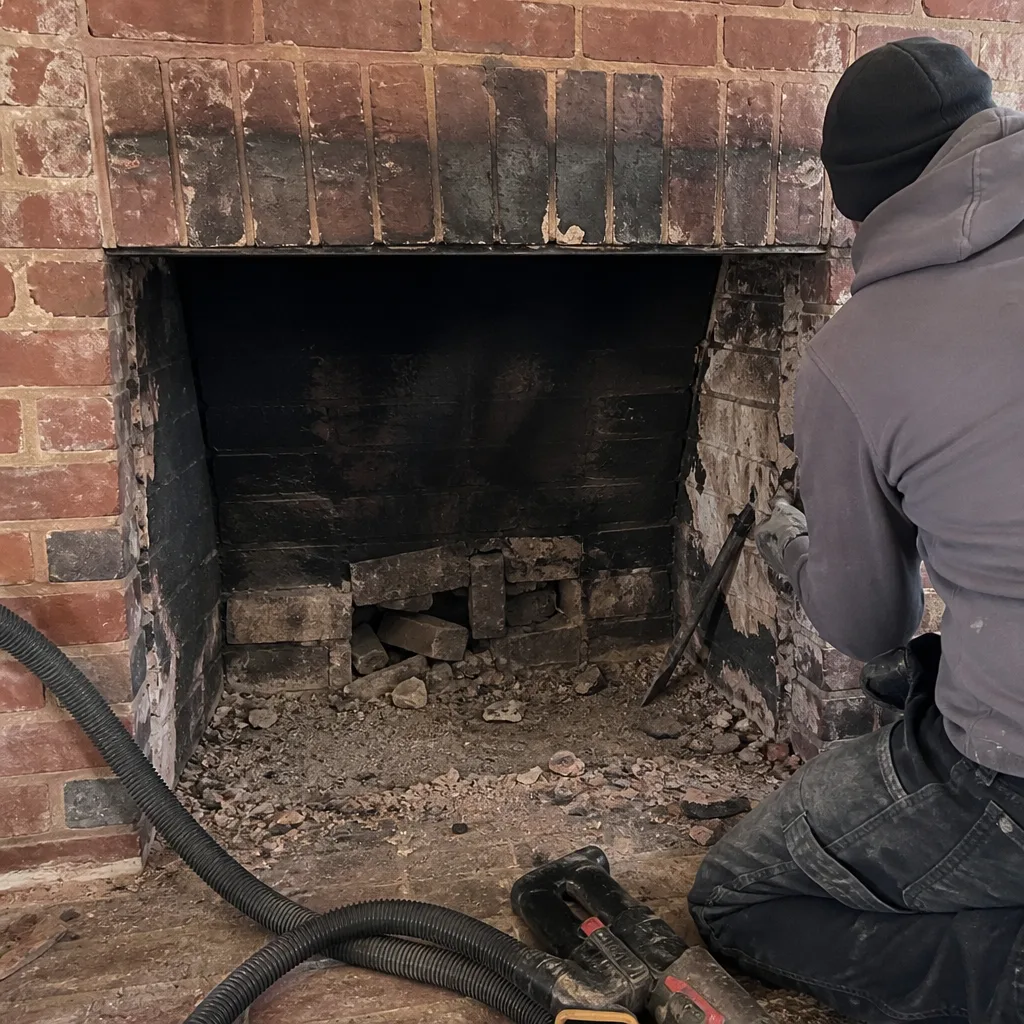 Before
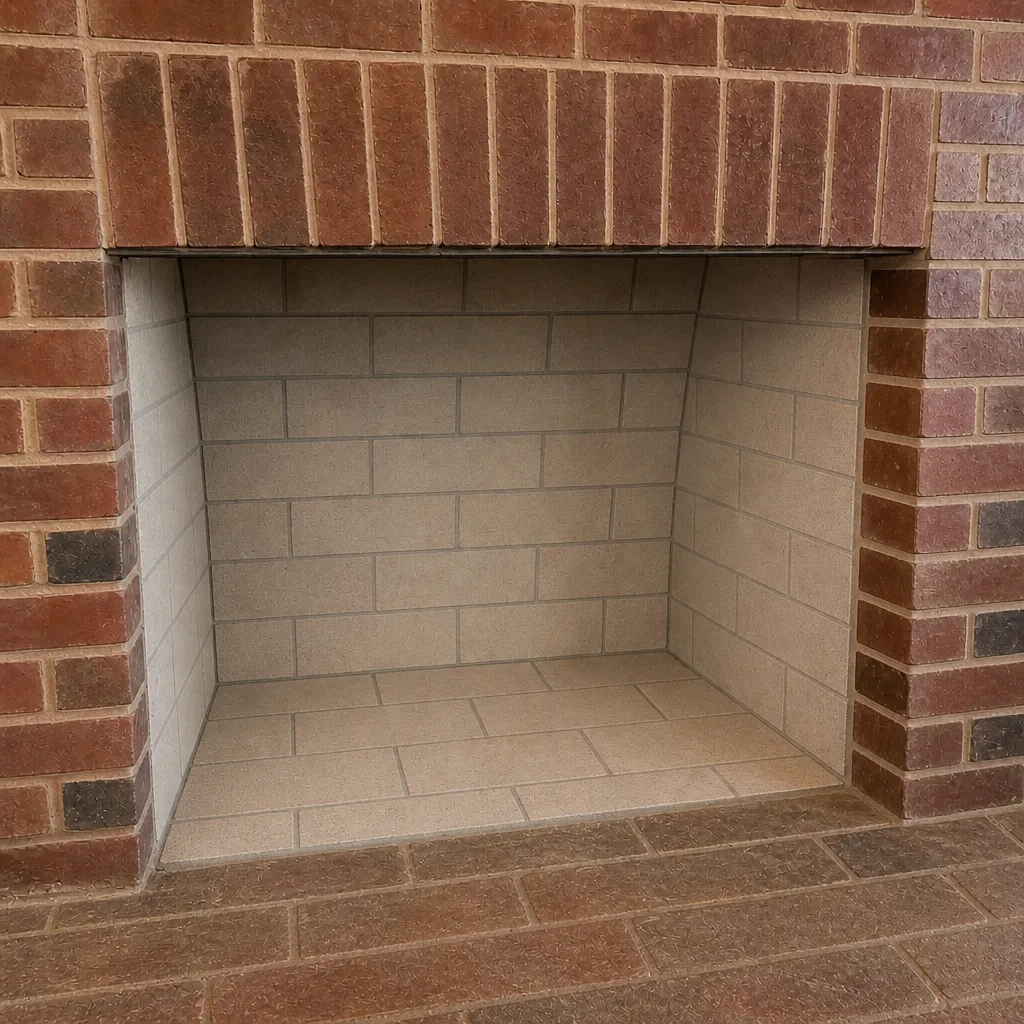 After
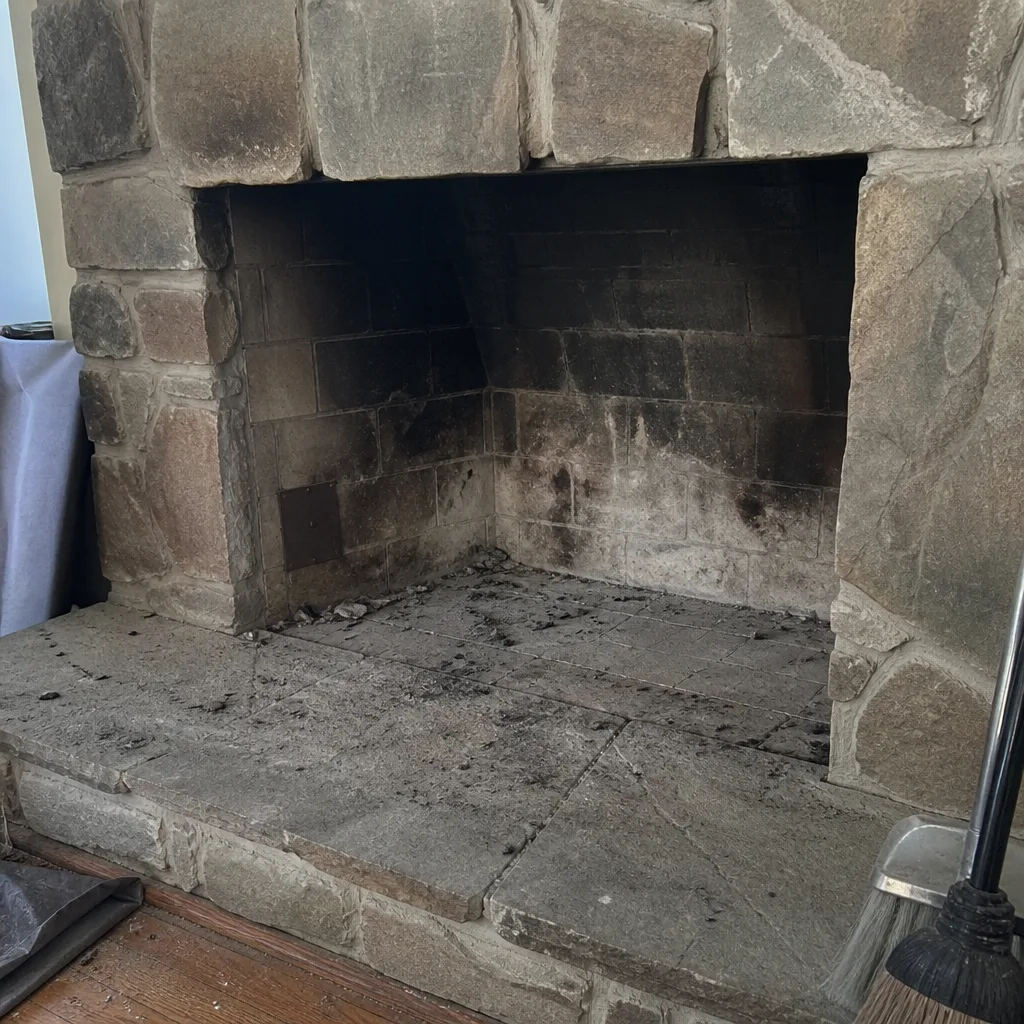 Before
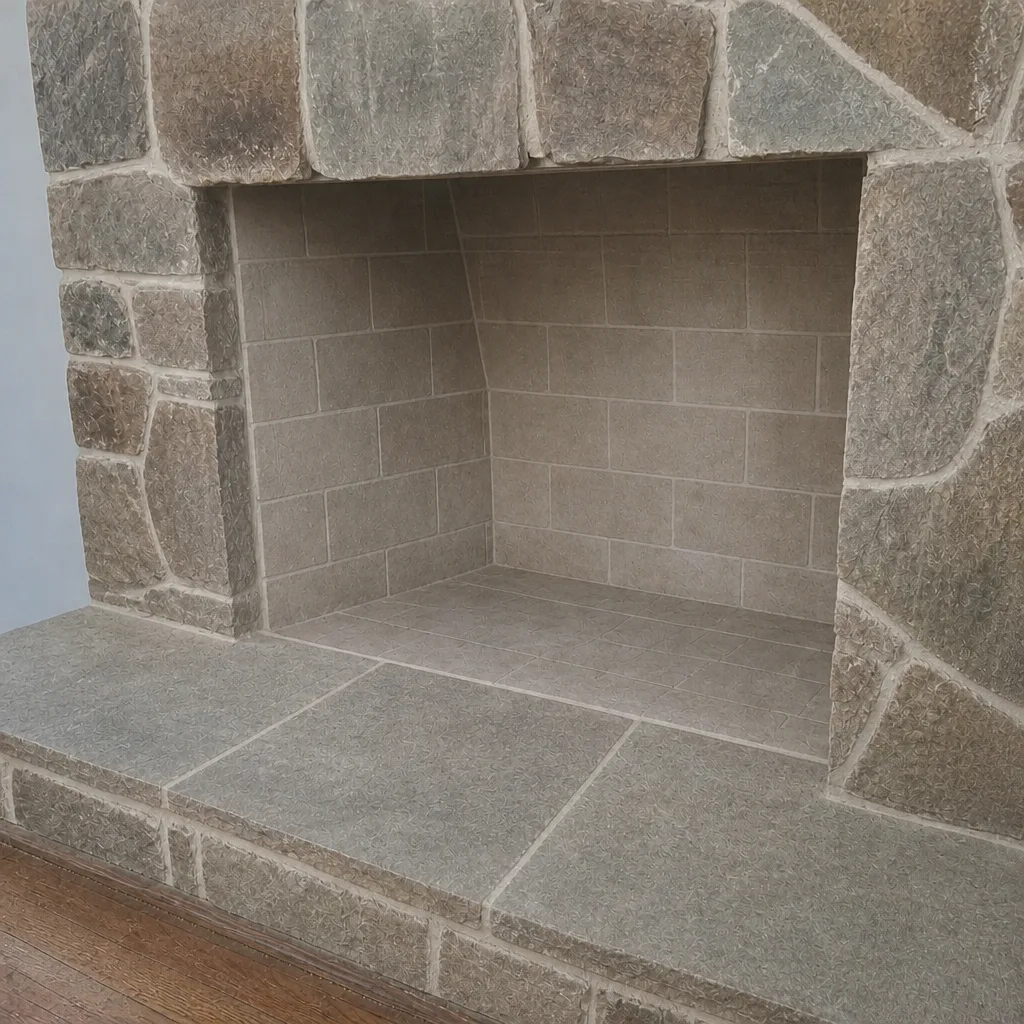 After
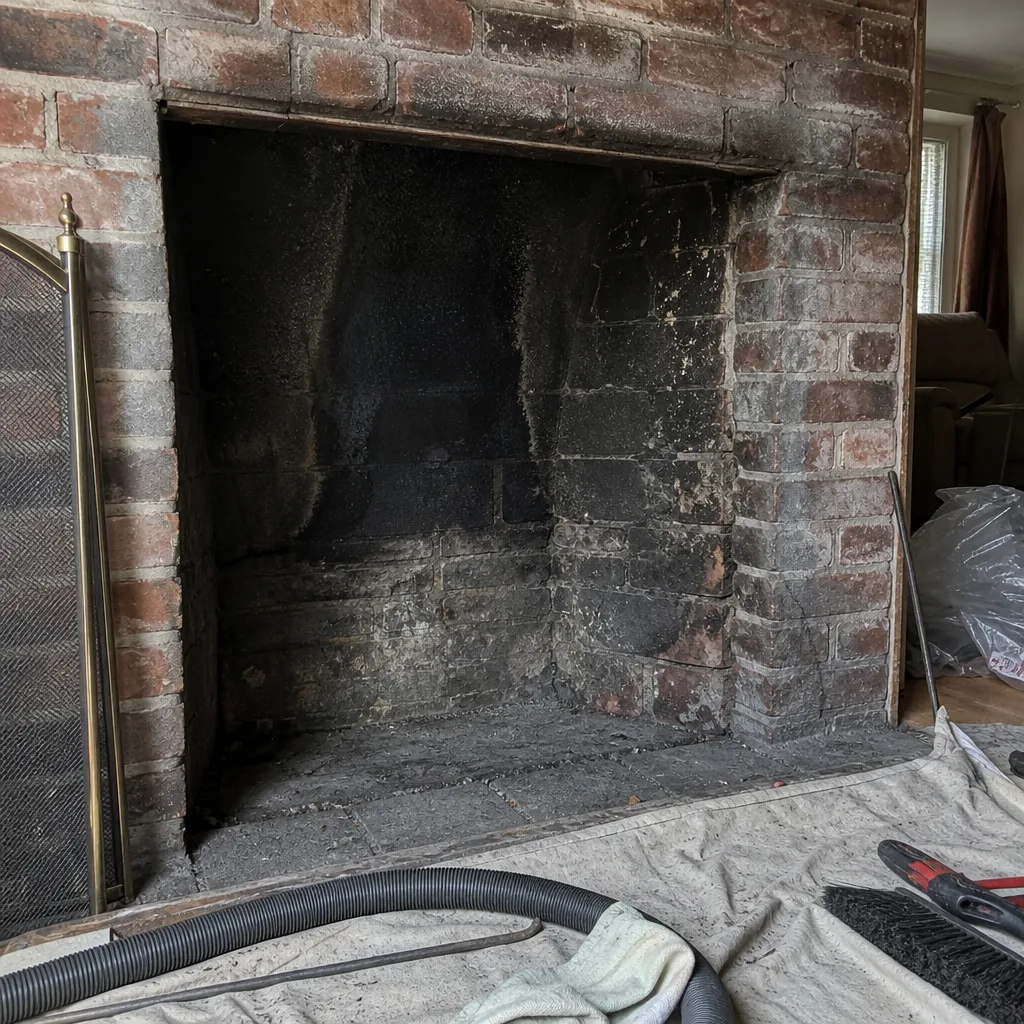 Before
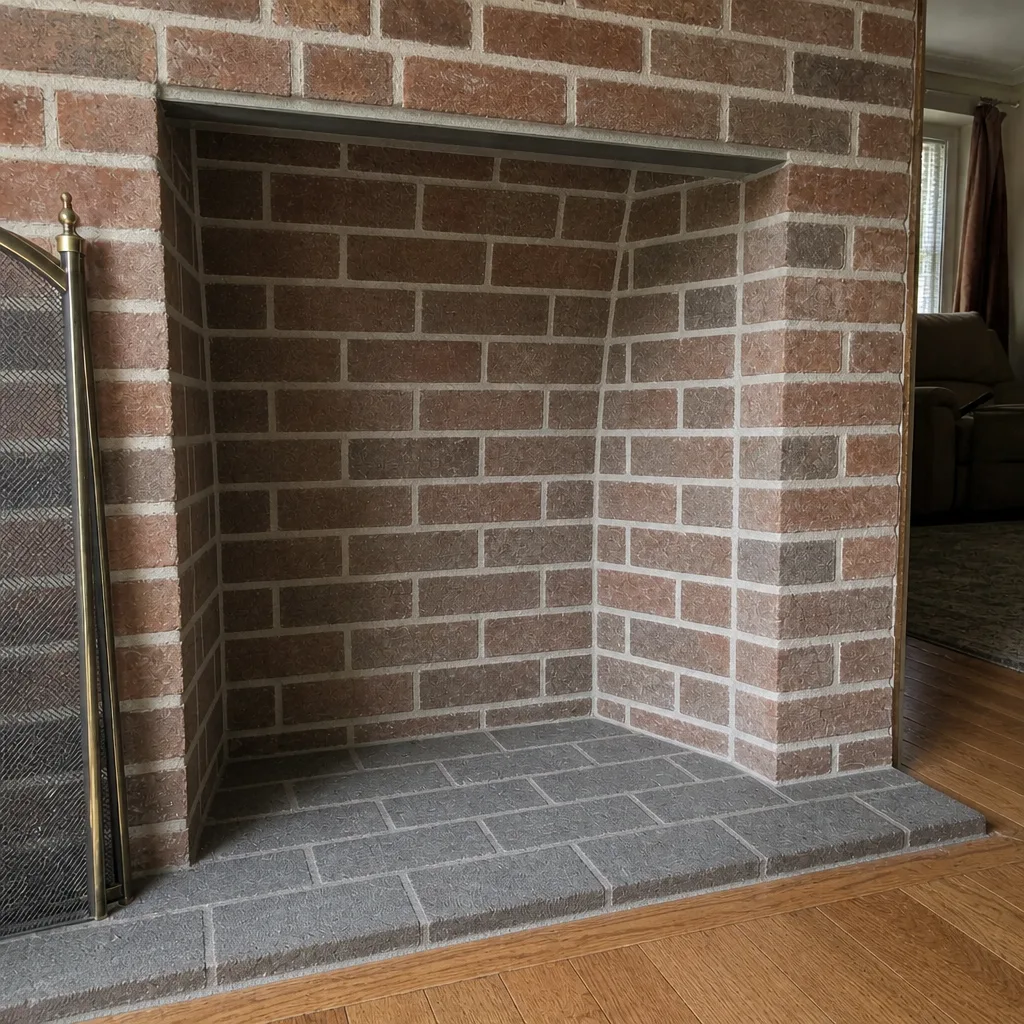 After
Common Mistakes to Avoid
- Assuming a sweep covers a repair. A sweep removes creosote. It doesn’t pull a permit or rebuild a firebox. Homeowners in Norfolk sometimes book a sweep expecting that it will address a structural crack and are surprised to learn that the repair is a separate, permitted job. Ask which category your work falls into before the technician arrives.
- Accepting a verbal “we’ll handle the permit.” The permit belongs to the property, and the homeowner has the right to see the number. Always ask for it in writing before work begins.
- Hiring a sweep-only company for structural work. A sweep-only provider can diagnose a problem but can’t perform the permitted repair, which means a second contractor and a handoff in the middle of the job. Look for one company that can inspect, sweep, and repair under the same scope.
- Skipping the inspection during a home purchase. In a Norfolk home sale, a buyer’s inspector may flag a chimney and the seller may have no documentation. A standalone inspection with a photo report resolves that question quickly and objectively.
- Replacing a flue without checking liner sizing. A replacement liner has to match the appliance. A liner that’s the wrong size for the fireplace vents poorly and can increase creosote accumulation. Confirm the sizing before the liner goes in.
- Treating the final inspection as optional. The permit isn’t complete until the final inspection passes. A job that was never inspected leaves the owner with the same documentation gap as unpermitted work, so ask for the final record.
- Waiting until a smoke event to find out whether the work was permitted. By then the insurance claim is the pressure point. Getting a written inspection before any repair is recommended is the cheaper way to answer the question.
When to Call a Professional
Some chimney work in Norfolk is routine and some of it is a professional call. The dividing line isn’t about the size of the job. It’s about whether the work involves the structure of the system or the venting pathway. Call a professional if you’re considering a liner replacement, if your firebox or smoke chamber has visible cracking or missing mortar, if the crown is cracked or the chimney cap is failing, if you’re adding a gas insert or a new appliance, or if you’re buying or selling a home and need documentation of the chimney’s condition. Call us if a chimney fire or a smoke event has already happened and you need an inspection before any claim is filed. Norfolk Chimney Cleaning offers free estimates in Norfolk – call (844) 496-0079. We answer 24/7. Fast dispatch from 7am to 7pm, Sunday through Friday.
Frequently Asked Questions
No. A routine chimney sweep in Norfolk does not require a permit. The permit threshold starts when the work changes the chimney’s structure or venting pathway: liner replacement, firebox reconstruction, crown rebuilding, and structural cap work. If a contractor proposes that work without mentioning a permit, ask why. Call (844) 496-0079 for an exact quote – estimates are free.
Pricing for a chimney sweep in Norfolk depends on the type of chimney, the type of fuel, and the extent of creosote buildup. We price per job with a written estimate, not a flat published rate. The estimate is free and sets the final price before any work begins. Call (844) 496-0079 for an exact quote – estimates are free.
Not always. A new liner is the right answer when the existing flue is cracked, deteriorated, or improperly sized for the appliance, or when a new appliance has been added. In our experience, a liner replacement crosses into permit territory, so the decision should follow an inspection that documents the condition of the flue with camera evidence, not a recommendation made from the roof. Call (844) 496-0079 for an exact quote – estimates are free.
The industry standard is an annual inspection, with a sweep when the inspection shows meaningful creosote buildup. Homes that burn wood frequently, or that use a fireplace as a primary heat source through the winter, often need sweeping more often than a home that lights a fire a few times a year. The inspection answers the question with evidence rather than a guess. Call (844) 496-0079 for an exact quote – estimates are free.
Creosote accumulates in the flue, and heavy creosote is the leading cause of chimney fires. A blocked or deteriorated flue can also let carbon monoxide back into the living space. Skipping the inspection doesn’t make a problem appear overnight, but it does mean a problem can go unnoticed until a smoke event or a home sale forces the question. Call (844) 496-0079 for an exact quote – estimates are free.
A code-referenced inspection report for a Norfolk real estate transaction documents the level of inspection performed, the condition of the firebox, smoke chamber, damper, and flue interior with photo evidence, and notes any observations about clearances and venting. It’s different from a sweep invoice, which only records that the flue was cleaned. Ask for the inspection report, not just the sweep receipt. Call (844) 496-0079 for an exact quote – estimates are free.
The Bottom Line
The permit question in Norfolk comes down to one distinction: cleaning maintains the chimney, construction changes it. Routine sweeping doesn’t need a permit. Liner replacement, firebox reconstruction, crown rebuilding, and structural cap work do, under the Virginia Uniform Statewide Building Code, reviewed by the Norfolk Department of Development. The insurance consequence of skipping a permit is real: an unpermitted installation leaves an adjuster without a record that the work met code, and a home seller without documentation for the buyer’s inspector. The way to protect yourself is simple. Ask for the permit number in writing, confirm it with the city, get the inspection report that documents the condition of the flue, and get the final inspection record. When you find a problem, repair is often possible without demolition through restoration systems like HeatShield or a stainless liner from DuraFlex. Start with an inspection before a repair is recommended. If you’d like to book an inspection or a sweep, contact Norfolk Chimney Cleaning at (844) 496-0079 and we’ll set up a free estimate. We answer 24/7. Fast dispatch from 7am to 7pm, Sunday through Friday. Our technicians have up to 15 years of experience.
Written by the team at Norfolk Chimney Cleaning.